RSS

Spring Cleaning Tips

Longer days, sunshine, and melting snow can only mean one thing: It’s time to bust out the cleaning supplies. Though no doubt rewarding (cleaning can help you manage stress!), the annual cleanse is a daunting task. Where do you even start when you have a closet in serious need of organizing and stained carpets, plus a whole host of other things on your to-do list? You’ve probably got the basics down, but here’s a few things you can add to your cleaning to-do list.


First, organize

What areas need the most work? What usually gets left out of regular cleaning? Make note of some of these things, so you know what to include in your spring cleaning to-do list.


Work from the top to the bottom

It makes more sense to vacuum AFTER  knocking off that ceiling fan dust right? Cleaning from the top of your home to the bottom is a more efficient way of cleaning. Don’t forget the walls and windows either, erase those annoying wall scuffs you’ve been ignoring. Purify the air - leave windows open for a few hours to freshen up stagnant air. You should also take the time to clean window screens, sills and blinds. 


For flooring, if you own carpet or any area rugs, shampooing them can make them look brand new. Cleaning up those dirty baseboards can also make a huge difference.


Kitchens & bathrooms are a must

Put in some elbow grease and clean the grout in your showers/tubs. Include your shower curtain in the list and yes, you can wash your shower curtains in the washing machine.

Flush kitchen and bathroom drains, to avoid any clogging; this includes shower drains and garburator. Deep clean all those neglected appliances; run some white vinegar through your dishwasher, clean out the grime inside your fridge, oven and microwave, but don’t avoid pulling out your stove/fridge and getting in to clean behind beneath and on top of them. Take some time to go through and organize your pantry and cupboards. In all rooms but especially kitchens and bathrooms, make an effort to disinfect garbage cans.


Declutter

Not only does decluttering your home help you stay organized but it will make you feel better. Studies have shown that a disorganized home adds to your stress level. You might be surprised at how good you feel after getting rid of that dreaded junk drawer, or cleaning off those surfaces that have a knack for collecting junk. Closets are also a popular space that’ll need a little organization.

Not all of these extra things taking up space in your home have to end up in the garbage, consider hosting a garage sale or donate some of the stuff you don’t use anymore.


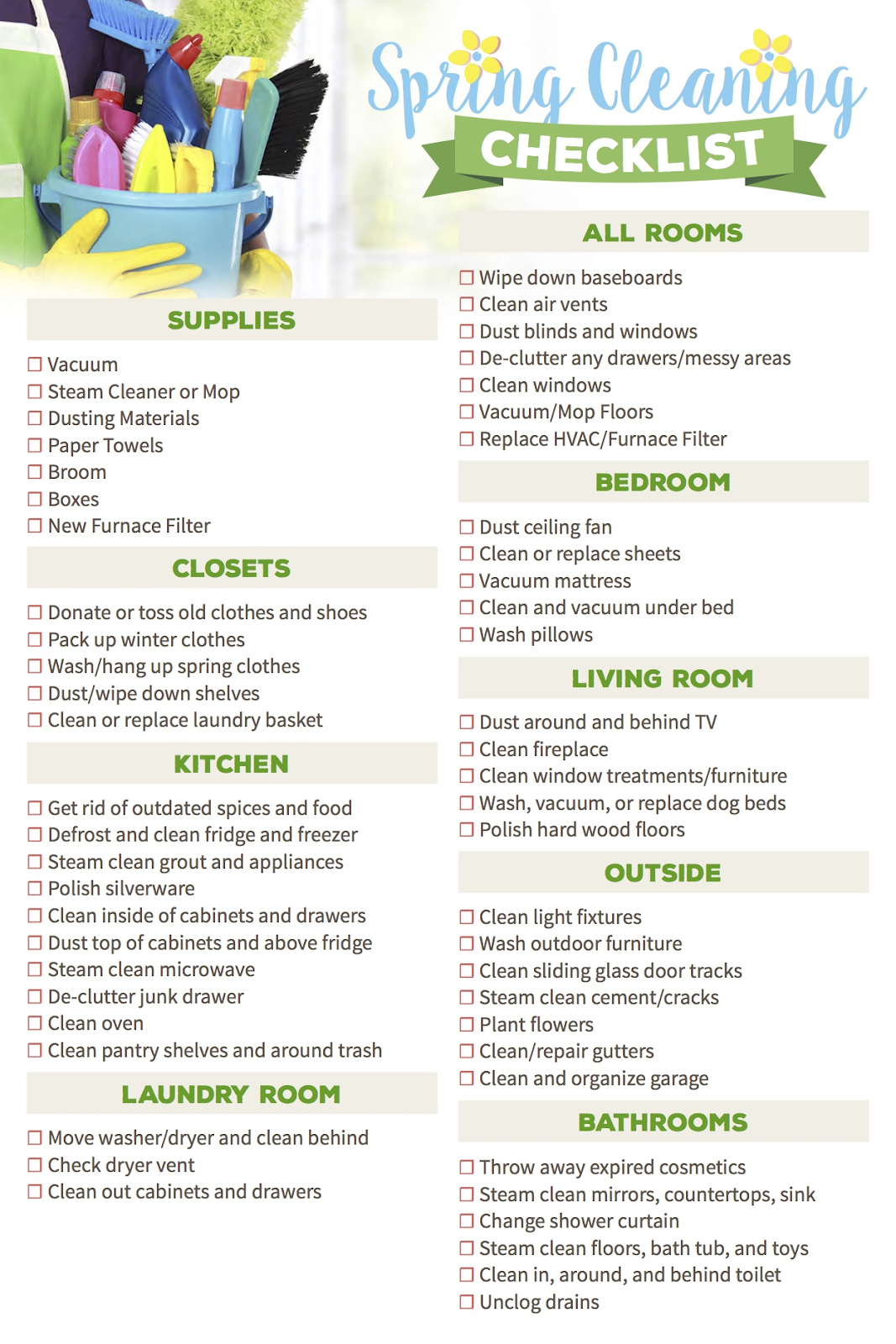
Below is a checklist you can use as a starting point for your cleaning this spring 2021!

Read

Tax Season Tips for Homeowners

Get the most out of your home, requires itemizing deductions. Be sure to check with your tax professional to make sure you’re eligible for these exemptions, deductions and credits:


Mortgage interest is the most common tax deduction homeowners think about when putting their tax forms together. 


First time home buyer tax credit that you can file on your taxes when filing for CRA and you can claim up to $5,000 dollars, which adds $750 to your tax refund. If you did buy a home in 2020, or you haven't lived in a home owned by you or your spouse in the last four years,  you can claim it on this tax.


If you and/or your spouse or common-law spouse are a resident of Canada with qualifying Registered Retirement Savings Plan (RRSP) contributions, one or both of you might be eligible for a tax-free withdrawal toward buying your first home. Under the Home Buyers' Plan (HBP), first-time home buyers or previous homeowners who haven't owned a home within the preceding four years can withdraw up to $35,000 tax-free to use toward a down payment on a home. There is one thing to keep in mind: you have to 'repay' the borrowed amount via RRSP contributions within 15 years, and if withdrawals under the HBP aren't paid back, they'll become taxable. Learn what's involved at the Canada Revenue Agency's (CRA) Home Buyers' Plan page.


Did you pay a Goods and Services Tax (GST) or Harmonized Sales Tax (HST) on a home that was newly built or substantially renovated? You might be able to take advantage of a new housing rebate (a partial refund to someone who has paid too much money for tax, rent, or a utility) on part of the tax.


If either you or your spouse or common-law partner meets the CRA eligibility requirements for a person with disabilities, you may be able to enjoy the Home Buyers' Tax Credit even if you aren't a first-time home buyer.


If you meet one of the following three criteria, the Home Accessibility Tax Credit  (HATC) could help you save taxes on an eligible renovation costing up to $10,000:

  • You're homeowner and you qualify for the disability tax credit

  • You're eligible to make a claim for a qualifying individual

  • You're over 65 years old

The renovations have to be permanent, make the home more accessible or reduce the potential harm to the qualifying individual, and be completed by qualified professional tradespeople.


Do you own real estate (including farmland) that you rent out? If so, don't forget to declare your rental income on your taxes. You could claim allowable expenses such as advertising fees, property taxes, insurance, and interest on money you borrowed to purchase or renovate the rental property. You could also claim Capital Cost Allowance  (CCA) as a deduction on renovations to your rental property as a depreciating asset. Note, though, that while you can claim the renovation costs in the year they're completed, when you sell the property you might end up paying taxes on the value of the CCA claims via capital gains. Because of this, you'll want to exercise care when writing off anything related to renovating your rental property.the rental income must be reported as income and taxes on the rental income must be paid


When you move more than 40 kilometres away to attend school full time, launch a new business, or take a new job, your moving expenses could be tax-deductible. Moving company bills, hotel bills, and legal fees are just a few of the possible eligible moving costs  you could claim.


If you work remotely, these credits might come in handy this tax season. Eligible homeowners could be self-employed, working on commission, or even professionals working from a home office. Typical eligible home office expenses  could include a portion of your utility bills, homeowners' insurance, internet bills, office supplies, and so much more. When you're offered money to help you build a strong foundation for your life, why wouldn't you accept it? Taking the time to investigate which homeowners' tax credits you qualify for this tax season could help you keep more of your money in your own pocket. Now you just have to figure out what you're going to do with it.


Read

4 Tips For Buying A Home Long Distance

For whatever reason, you need to buy a home out of your current city or province even. Don't worry, we've got you covered... Here are 4 Tips for buying a house long distance


  1. Do your Research - Figure out where you want to live, based on what’s important to you. Commute distance, school distance. Start trying to narrow down your favourite homes with your research. So if you do make a trip to view homes on a weekend, you want to view the best candidates and make the best use of your time when you come to town. 

  2. Find the Right Real Estate Agent - You want an agent that can work with you long distance. Someone who will give you virtual tours of homes, and do all they can to help you hunt for a home long distance. 

  3. Know your market - rely on your real estate agent to inform you if it is a buyers or sellers market, and will help you decide on an appropriate offer price that will help you get the home you want. 

  4. Do your inspections - Even if you are not in town, your agent can attend the home inspections on your behalf. It’s important to not skip on the inspections if you’re not personally there checking through all these things yourself.

Read

What To Look For When Buying Land For A Home

There can be some things you can run into when buying residential land to build on. So here are some things you should look out for when you’re shopping and before you sign anything.


When you’re trying to buy a piece of land, of course the number one thing you’ll be looking for is location. 

  • Keep in mind how close it is to hospitals

  • How close it is to shopping (if those things important to you)

  • How long do you plan to keep the property, that way when you plan to sell in the future, you can figure out how sellable this property is.


To find all these things out, have a conversation with your local real estate agent, and they can pull up comparables on how much land has sold for within the last 6 months - even in the last 6 years. Then you can see how well land sells in that area. 


One thing that happens more often than not, is that sellers buy themselves a piece of land, then they learn after they’ve purchased it that certain types of dwellings are not allowed on the property. So when you’re looking on the MLS or when you’re working with a real estate agent, make sure you make it clear to them exactly what you intend to do with that piece of property. They can then filter out the exact kind of property that will work for what you want to build, whether it be a tiny home, a modular home, or a manufactured home. That way you’ll be ahead of the game and not wasting your time on a bunch of listings that aren’t what you’re looking for. 


When you’re buying a piece of land, the other thing you’re really going to want to look at is if the land has utilities already brought up to the property. This can save you thousands and thousands of dollars, so you want to know the property has those services ahead of time. 


Another thing a lot of people don’t think about is mineral rights. One of the privileges of having mineral rights as a property owner is that you maintain mineral servitude for as long as you own the land. 


When you’re buying a piece of property you’re going to want to check it out in all weather types and seasons. If you’re interested in a property, before you write an offer, you should check it out after it rains, on a sunny day, on a snowy day, check in on that property to find out where it holds water on the property. Then you should find out how much of the land is usable and what you can build on. Just because you’re buying 4 acres, does not mean 4 acres are usable. All these things will take time, so make sure you allow a significant amount of time for these inspections in your offer. 


You’ll also want to find out the property line and the set back lines, which tells you how far from the property line you’re allowed to build. 


Easements - A property easement is a legal situation in which the title to a specific piece of land remains with the landowner, but another person or organization is given the right to use that land for a distinct purpose. You should know if a property has any easements that allow people to pass through your property, such as a dirt road. These are things you need to know. 


The key when you’re buying a lot, is that you have to do your research, soil sample, flood determination, you know what the set backs are on the property, you know the easements on the property, know what the zoning is, and know if it’s agricultural and you can rent that land out to local farmers for tax credits.


Now you know all you need to know before purchasing your piece of land!


Read

6 Home Improvements That Actually Add Value To Your Home

When we talk about adding value, that doesn’t necessarily mean a dollar for dollar return on investment. Meaning if you spent $5,000 on your house that you’ll get an additional $5,000 when you sell it. Most of the time when you do something to increase the value of your house, you can expect that you won’t get a dollar for dollar return. Sometimes it is, sometimes it’s more, but most of the time it's around 80% or lower.  So do these things if you think it will make living in the house more comfortable and more pleasing for you, and not in a plan to increase the value by a crazy amount. Most of the time, what that does is you end up over improving on your house, because again, in the end you most likely won’t get that exact dollar for dollar exchange. 


#6 - Built In Bookcases | Does this add a lot of value to your house? No, not really…however, if you have a big empty nook on either side of a fireplace (for example) you could put in some storage, put in some wooden shelves, put in a countertop with a cabinet below - it makes it very practical. Not only do you have a place to put all your home decor or trinkets etc., but you can also store things out of the way in the cabinet below, such as photo albums etc.


#5 - Closet Organizers | Yes, these are great things to add! When you plan to sell in the future, when buyers see this beautifully organized closet with sturdy shelving, they’re going to prefer that over a disorganized one with cheap wire shelving.


#4 - Have a “Drop Zone” | Hooks on the wall where people can hang their coats, put their keys, put the mail, a certain area that's not cluttering up your kitchen or living room area. Let’s face it, we walk in the door and we’re going to put this stuff somewhere. If you have a place that can help keep things more organized and less cluttered, buyers will appreciate that.


#3 - Fence | Some people may not think this will add much value to your home, but it is something buyers look for! It might cost you a minimum of 6 or 7 thousand dollars, but no matter what, people like having a fence in their backyard. So, why wouldn’t it add value? If you want a fence while you’re living at your current home, for young kids, or a pet or for privacy - just do it! Because maybe it doesn’t add much to the price of your home, but if it comes down to a buyer picking your house over a similar one that doesn’t have a fence, yours will appear more desirable.


#2 - Upgraded Kitchen Counters | Upgrading your outdated and scratched laminate counters for new granite or quartz will never be a bad idea! 


#1 - Shed | If you have a smaller garage, there’s only so many places you can put stuff, so people love to put a shed in their backyard. Again, this is something that is not going to provide a 1-to-1 return, but if it’s a nice looking shed, people are going to appreciate a place where they can put all their lawn and seasonal things!


Read
The Saskatchewan REALTORS® Association (SRA) IDX Reciprocity listings are displayed in accordance with SRA's MLS® Data Access Agreement and are copyright of the Saskatchewan REALTORS® Association (SRA).
The above information is from sources deemed reliable but should not be relied upon without independent verification. The information presented here is for general interest only, no guarantees apply.
Trademarks are owned and controlled by the Canadian Real Estate Association (CREA). Used under license.
MLS® System data of the Saskatchewan REALTORS® Association (SRA) displayed on this site is refreshed every 2 hours.