RSS

Navigating the First-Time Homebuyer Experience

Buying your first home is an exciting and often overwhelming experience. It involves multiple steps, from understanding your finances to finding the right property and navigating the closing process. This guide will break down each phase of the homebuying journey, offering tips and insights to help first-time buyers make informed decisions and achieve their dream of homeownership.


1. Assess Your Financial Readiness

a. Evaluate Your Savings:

  • Down Payment: In Canada, most lenders require a minimum down payment of 5% for homes priced under $500,000. For homes priced between $500,000 and $999,999, the minimum down payment is 5% on the first $500,000 and 10% on the portion above $500,000. For homes priced at $1 million or more, a 20% down payment is required. Saving for a substantial down payment can reduce your mortgage and monthly payments.

  • Closing Costs: Budget for 1.5% to 4% of the purchase price for closing costs, which include land transfer taxes, legal fees, home inspection fees, and title insurance. In some provinces, first-time homebuyers may be eligible for rebates on land transfer taxes.

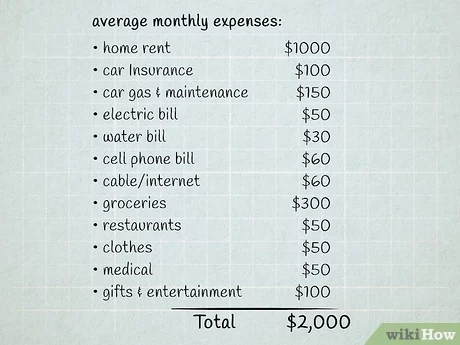
  • Emergency Fund: Maintain an emergency fund to cover unexpected expenses like repairs, job loss, or medical emergencies. Ideally, this fund should cover three to six months of living expenses.

b. Check Your Credit Score:

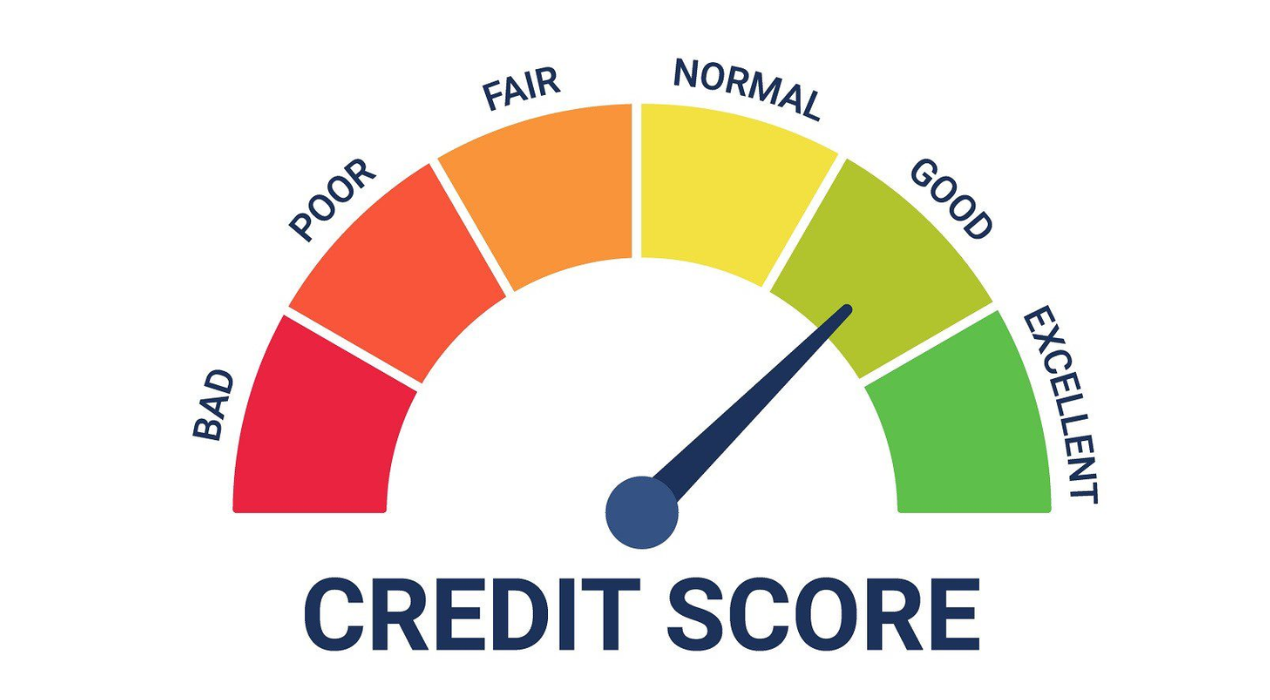
A higher credit score can qualify you for better mortgage rates. Obtain a free credit report from agencies like Equifax and TransUnion. Correct any errors and work on improving your score by paying down debt and making timely payments. Aim for a score of at least 680 for conventional loans, though higher scores will yield better terms.

c. Determine Your Budget:

Use an online mortgage calculator to estimate how much you can afford based on your income, debt, and savings. Aim for a monthly mortgage payment (including property taxes and insurance) that doesn't exceed 32% of your gross monthly income. Factor in additional costs like utilities, maintenance, and condominium fees if applicable.


2. Get Pre-Approved for a Mortgage

a. Choose the Right Lender:

  • Research and compare lenders, including banks, credit unions, and mortgage brokers. Look for competitive rates, fees, and customer service reviews. Consider getting quotes from at least three lenders to find the best deal.

b. Gather Documentation:

  • Lenders will require proof of income (pay stubs, T4 slips, tax returns), employment verification, bank statements, and identification. Having these documents ready can streamline the pre-approval process. Organize your paperwork in advance to avoid delays.

c. Understand Loan Options:

  • Fixed-Rate vs. Variable-Rate Mortgages: Fixed-rate loans offer stable payments, while variable-rate mortgages (VRMs) have rates that can change over time. Fixed-rate mortgages are generally safer for first-time buyers due to their predictability.

  • CMHC-Insured Loans: If your down payment is less than 20%, you will need mortgage default insurance through the Canada Mortgage and Housing Corporation (CMHC) or a private insurer. This insurance protects the lender in case of default but adds to your monthly payments.


3. Find a Real Estate Agent

a. Seek Recommendations:

  • Ask friends, family, and colleagues for agent referrals. Look for agents with experience in your desired area and positive client reviews. A good agent will have local market knowledge and a proven track record.

b. Interview Multiple Agents:

  • Meet with several agents to discuss your needs, their experience, and their approach to helping buyers. Choose someone you feel comfortable with and who understands your goals. Don’t hesitate to ask for references.

c. Understand the Agent's Role:

  • A buyer's agent will help you find properties, negotiate offers, and navigate the closing process. Their commission is typically paid by the seller, so their services are free for buyers. Ensure your agent is committed to representing your best interests.


4. Start House Hunting

a. Define Your Must-Haves:

  • Make a list of essential features, such as the number of bedrooms, bathrooms, location, and amenities. Be prepared to compromise on some items. Prioritize your needs versus wants to stay focused.

b. Research Neighborhoods:

  • Visit potential neighborhoods at different times of day to assess noise levels, traffic, and community vibe. Consider factors like school districts, proximity to work, and local amenities. Use online resources and talk to locals for insider insights.

c. Attend Open Houses:

  • Open houses provide an opportunity to see properties in person, ask questions, and get a feel for the market. Take notes and photos to remember key details. Use these visits to narrow down your choices.


5. Make an Offer

a. Understand Market Conditions:

  • In a seller's market, you may need to act quickly and offer above asking price. In a buyer's market, you have more room for negotiation. Your agent can provide market analysis to guide your offer.

b. Draft a Strong Offer:

  • Your agent will help you craft an offer letter that includes the price, contingencies (such as inspection and financing), and a closing date. Be prepared for counteroffers and negotiations. A personal letter to the seller can sometimes make a difference.

c. Include an Earnest Money Deposit:

  • This deposit (typically 1% to 3% of the purchase price) shows the seller you're serious. It will be applied to your down payment or closing costs if the deal goes through. Ensure the deposit is held in an escrow account for security.


6. Navigate the Closing Process

a. Conduct a Home Inspection:

  • Hire a professional inspector to evaluate the property's condition. Use the inspection report to negotiate repairs or price adjustments with the seller. This step is crucial to avoid costly surprises later.

b. Finalize Your Loan:

  • Submit all required documents to your lender and lock in your interest rate. Review the loan estimate and closing disclosure for accuracy. Communicate promptly with your lender to keep the process on track.

c. Attend the Closing:

  • At the closing meeting, you'll sign the final paperwork, pay closing costs, and receive the keys to your new home. Review all documents carefully and ask questions if needed. Make sure to understand all terms before signing.
Navigating the first-time homebuyer experience can be complex, but with careful planning and the right resources, you can make informed decisions and enjoy a smooth journey to homeownership. Remember to take your time, ask questions, and rely on professionals to guide you through the process.

Happy house hunting!

Read

The Best Interior Designs Of 2024

As we move through 2024, several exciting interior design trends are taking center stage, bringing a fresh, innovative approach to home decor. Here are some of the best interior design trends to watch this year:

1. Sustainable and Eco-Friendly Materials

Sustainability continues to be a major focus in interior design. Homeowners are increasingly opting for eco-friendly materials like reclaimed wood, recycled metal, and natural fibers. Furniture made from sustainably sourced wood and decor items crafted from recycled materials not only look great but also reduce environmental impact.


2. Biophilic Design

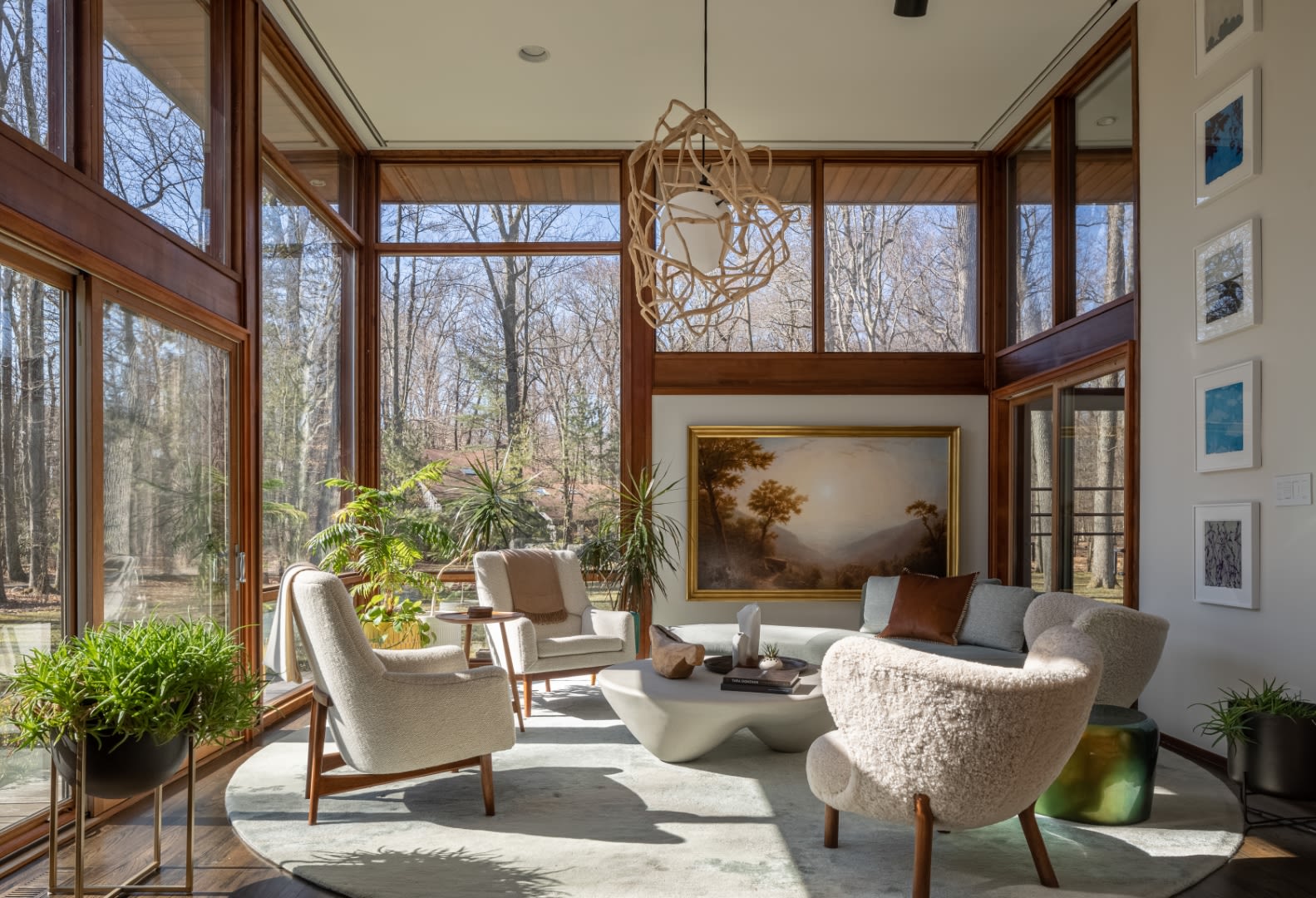
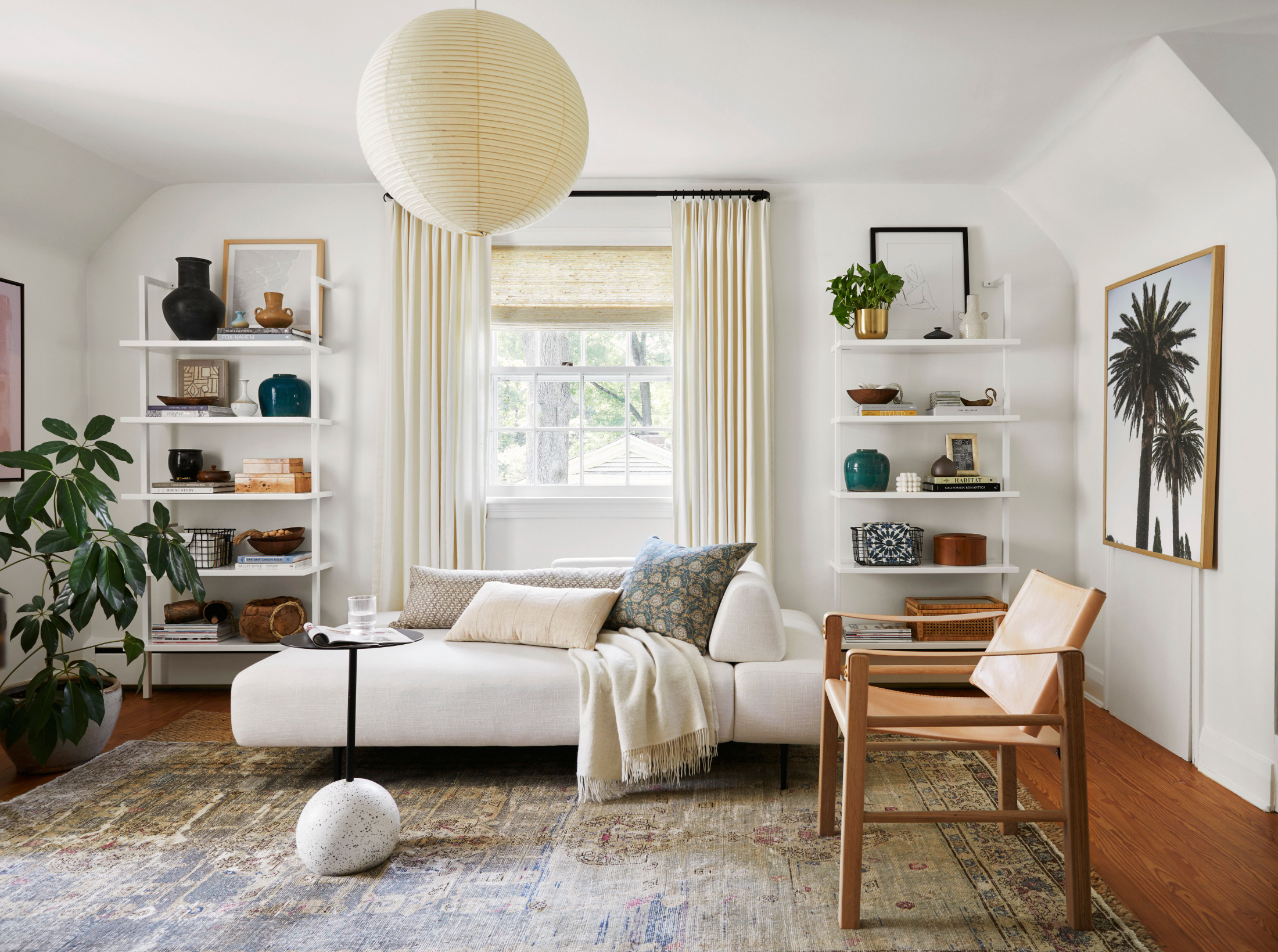
Biophilic design, which seeks to connect occupants more closely with nature, is gaining popularity. This trend involves incorporating natural elements into the home, such as large indoor plants, green walls, and natural light. The use of organic shapes and materials like stone, wood, and rattan also contributes to a calming, nature-inspired aesthetic.


3. Earthy Tones and Warm Neutrals

Color palettes in 2024 are leaning towards earthy tones and warm neutrals. Shades like terracotta, olive green, rust, and beige are being used to create cozy, inviting spaces. These colors bring a sense of warmth and grounding, making homes feel more connected to the natural world.


4. Bold, Artistic Statements

While neutrals are trending, there's also a move towards bold, artistic statements within the home. This includes the use of striking wallpapers, large-scale murals, and vibrant, abstract art pieces. These elements serve as focal points, adding personality and a sense of individuality to the space.


5. Vintage and Retro Influences

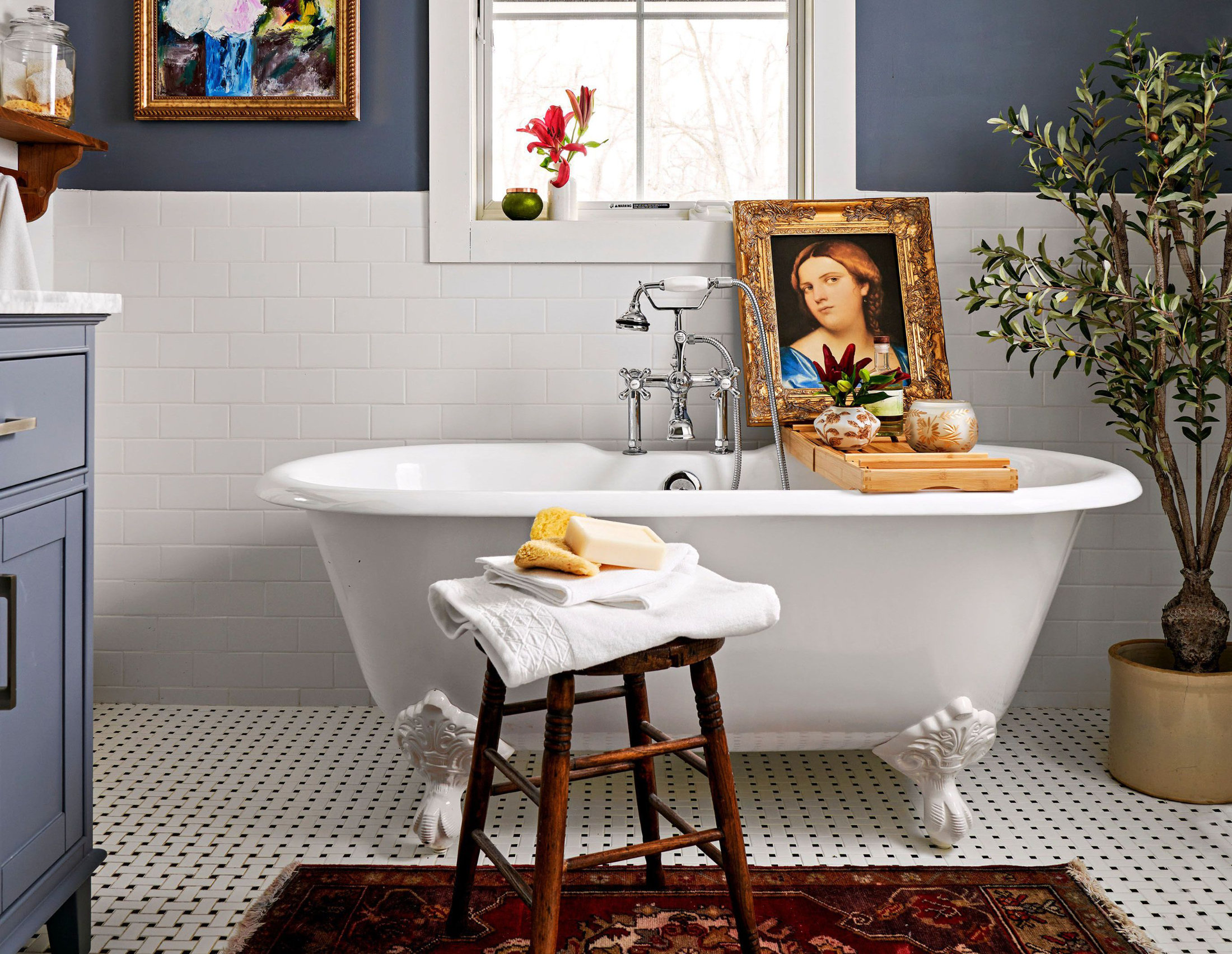
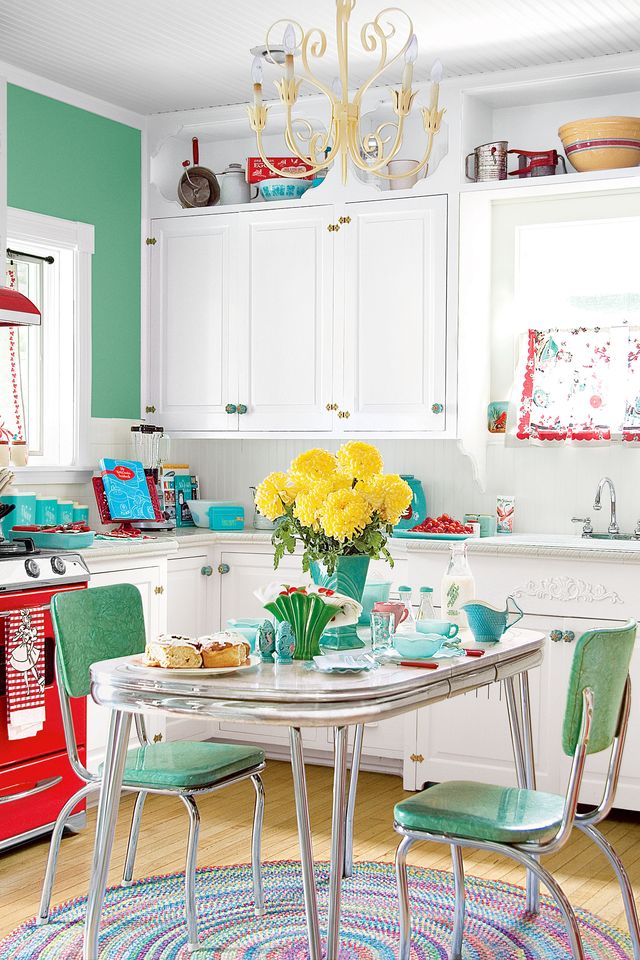
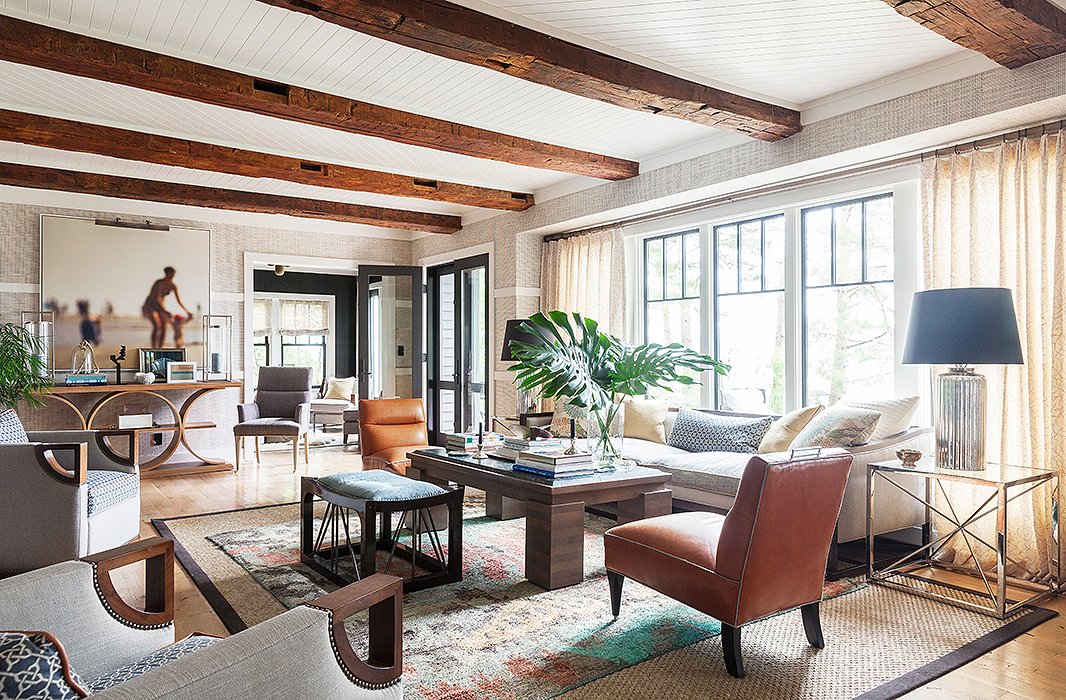
Vintage and retro influences are making a comeback in 2024. Mid-century modern furniture, retro color schemes, and vintage decor pieces are being used to add character and charm. Mixing old and new elements creates a timeless look that feels both nostalgic and contemporary.


6. Tech-Integrated Homes

Smart home technology is seamlessly integrating into interior design. Voice-controlled lighting, smart thermostats, and automated window treatments are not only functional but also aesthetically pleasing. These tech solutions are designed to blend into the decor, enhancing convenience without sacrificing style.


These trends reflect a desire for homes that are not only beautiful but also functional, sustainable, and deeply connected to the natural world. Whether you're planning a complete redesign or just looking to refresh your space, incorporating these trends can help you create a stylish and up-to-date home in 2024.

Read

Getting Pre-Approved For Your Mortgage

1. Check Your Credit Score:

Before applying, check your credit score to ensure it's in good shape. A higher credit score can help you secure a better interest rate.


2. Gather Financial Documents

Lenders will require various documents, including:

Proof of income (pay stubs, tax returns, and employment letters)

Bank statements

Proof of assets (investments, savings)

Personal identification (driver’s license, passport)


3. Calculate Your Budget

Determine how much you can afford to spend on a home. Consider your monthly income, expenses, and the amount of down payment you can make.


4. Choose a Lender

Research different lenders, such as banks, credit unions, and mortgage brokers. Compare their rates, terms, and customer reviews.


5. Apply For Pre-Approval

Submit your application along with the gathered financial documents to your chosen lender. The lender will review your financial situation and determine how much they are willing to lend you.


6. Review the Pre-Approval Letter

If approved, you will receive a pre-approval letter stating the maximum loan amount you qualify for, the interest rate, and the terms. This letter is typically valid for 60-90 days.


7. Shop for a Home

With your pre-approval letter in hand, you can start house hunting with a clear understanding of your budget.


8. Maintain Financial Stability

Avoid making significant financial changes (like taking on new debt) during the pre-approval period, as it could affect your final mortgage approval.


Read

Elevate Your Home’s Curb Appeal: Top Tips for Stunning House Exterior Design

Your home’s exterior is the first impression visitors, and passersby get, making it essential to invest in its design. Whether you’re preparing to sell or simply want to create a welcoming atmosphere, enhancing your house’s exterior can make a significant impact. Here are some tips to transform your home’s curb appeal and create an inviting facade.


1. Embrace a Cohesive Color Palette

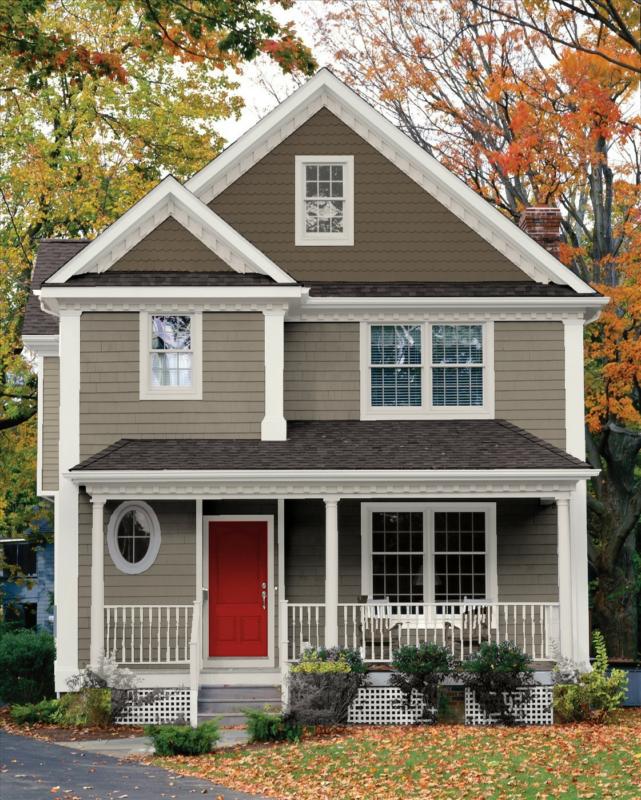
Choosing the right color scheme is crucial for a harmonious and appealing exterior. Consider the architectural style of your home and the surrounding environment. Neutral tones like beige, gray, and white are timeless and versatile, while bold colors like navy blue, forest green, or deep red can make a statement. Accentuate trim, doors, and shutters with complementary hues to add depth and character.


2. Upgrade Your Front Door

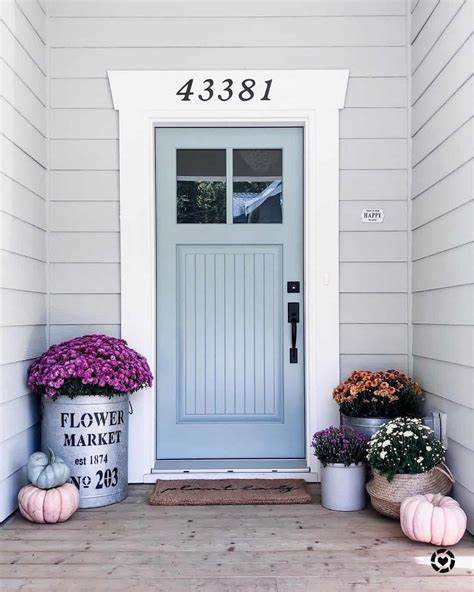
The front door is the focal point of your home’s exterior. A fresh coat of paint in a vibrant color can instantly elevate the look. If your budget allows, consider replacing the door with a modern, energy-efficient option. Adding stylish hardware, such as handles, knockers, and house numbers, can further enhance the aesthetic.


3. Landscaping: The Green Touch

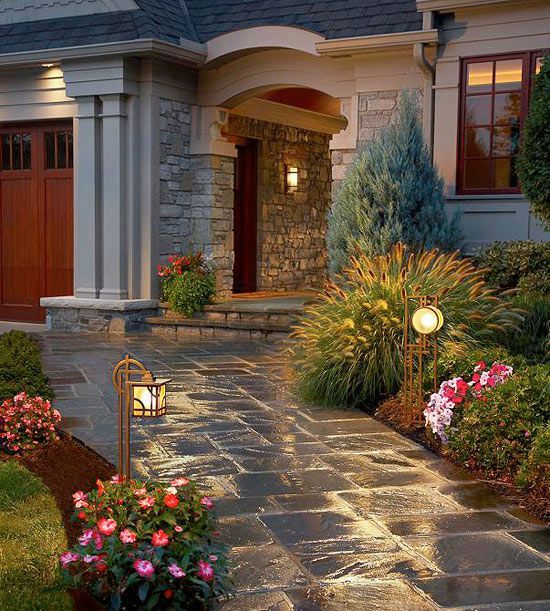
A well-maintained garden can significantly boost your home’s curb appeal. Start with a clean and tidy lawn, trimmed bushes, and weed-free flower beds. Incorporate a mix of perennials and annuals for year-round color and variety. Add mulch to flower beds for a polished look, and consider installing garden lighting to highlight pathways and key features.


4. Lighting: Illuminate the Night

Outdoor lighting not only enhances security but also adds a warm and welcoming ambiance. Install wall-mounted lanterns or sconces by the front door, and consider pathway lights to guide visitors to your entrance. String lights, spotlights, or solar-powered lamps can highlight architectural details and landscaping, creating a magical evening atmosphere.


5. Add Architectural Details

Architectural elements like shutters, decorative brackets, and trim can add charm and character to your home’s exterior. Shutters can be both functional and decorative, providing a classic look. Decorative brackets under eaves or window boxes filled with flowers can bring a touch of whimsy and elegance.


6. Personal Touches

Finally, add personal touches that reflect your style and personality. A unique mailbox, a charming welcome mat, or seasonal decorations can make your home feel welcoming and loved.


Conclusion

Investing in your home’s exterior design can transform its appearance and create a lasting impression. By focusing on these key areas, you can enhance curb appeal, increase property value, and create a beautiful and welcoming home. Whether you’re planning a full-scale renovation or small updates, these tips will help you achieve a stunning exterior design.


Read

Saving For A Down Payment

1. Prioritize your financial and life goals

Saving for a big purchase, like a first home, isn’t easy. It usually requires making hard decisions when it comes to budgeting and weighing your “wants” versus “needs.” You may have to look at cutting back on vacations, eating out in restaurants, your morning drive thru coffee, and even everyday items like clothing and expensive groceries. If you decide saving for a down payment is a top priority, try to find other areas of your life where you can cut down on spending. It’s important to create a detailed financial plan that clearly lays out your path to a down payment. If you’re unsure about how to create a plan, consider booking an appointment with a financial advisor.

2. Pay off your debts before considering a mortgage

A mortgage is a big commitment. If you have any, try to pay off all other debts before taking one on. This is especially true of credit card debt; it’s hard to save for a down payment if you’re paying interest fees every month. Freeing yourself from other debts can also improve your credit score and ability to qualify for a mortgage at a more competitive rate. 

3. Keep your credit score in good standing

It’s important to keep your credit score in good standing if you want to qualify for a mortgage at a good rate. Easy ways to do this include paying all your bills on time, never going over your credit card limits, and staying on top of any suspicious activity on your cards or in your bank account. You’ll also want to build up your credit history in Canada by regularly using credit cards or paying back loans for other items like university tuition or a vehicle. This shows potential mortgage lenders that you can be relied upon to pay your debts. 

4. Borrow from your RRSP

Did you know you can borrow up to $35,000 CAD tax-free from your Registered Retirement Savings Plans (RRSP) to put towards your first home in Canada? If you and your spouse are both first-time home buyers, you can each borrow from your RRSP for a total of up to $70,000 CAD. You’ll have to pay back the funds within a 15-year period, but this is a great way to boost your down payment. In order to qualify for this program, you must plan to use the home as your principal residence within one year of buying or building it. 

5. Use savings from your TFSA

 Tax-Free Savings Accounts (TFSAs) are a great option when it comes to saving for down payments in Canada. They can be an even better option than using your RRSP to fund a down payment because you can take from your TFSA without restriction and there’s no time limit on having to pay the money back, if ever. A TFSA can be accessed at any time, for any purpose, without tax implications. You can also potentially use funds from both your RRSP and TFSA accounts for your down payment. 

6. Factor in maintenance costs and other fees 

Remember that there’s more to purchasing a home than just the sale price. Make sure to calculate all maintenance costs and fees including legal fees, home inspection fees, land survey fees, appraisal fees, land transfer taxes, and new home warranties. These purchases are usually not optional and can add thousands of dollars to your final bill. It’s important to include them in your financial plan.

Buying your first home as a newcomer in Canada is a major milestone. Every individual’s situation is different. In addition to these tips, it’s important to talk to a financial advisor for guidance on how you can save for a down payment and achieve your homeownership dreams. If you’re hoping to become a homeowner in the next few years, book an appointment with a financial advisor to put a financial plan in place and make your goal a reality. 

Read
The Saskatchewan REALTORS® Association (SRA) IDX Reciprocity listings are displayed in accordance with SRA's MLS® Data Access Agreement and are copyright of the Saskatchewan REALTORS® Association (SRA).
The above information is from sources deemed reliable but should not be relied upon without independent verification. The information presented here is for general interest only, no guarantees apply.
Trademarks are owned and controlled by the Canadian Real Estate Association (CREA). Used under license.
MLS® System data of the Saskatchewan REALTORS® Association (SRA) displayed on this site is refreshed every 2 hours.