RSS

Elevate Your Home’s Curb Appeal: Top Tips for Stunning House Exterior Design

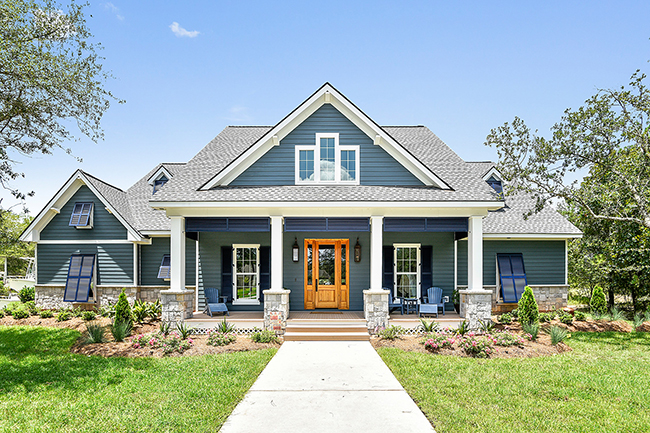
Your home’s exterior is the first impression visitors, and passersby get, making it essential to invest in its design. Whether you’re preparing to sell or simply want to create a welcoming atmosphere, enhancing your house’s exterior can make a significant impact. Here are some tips to transform your home’s curb appeal and create an inviting facade.

1. Embrace a Cohesive Color Palette

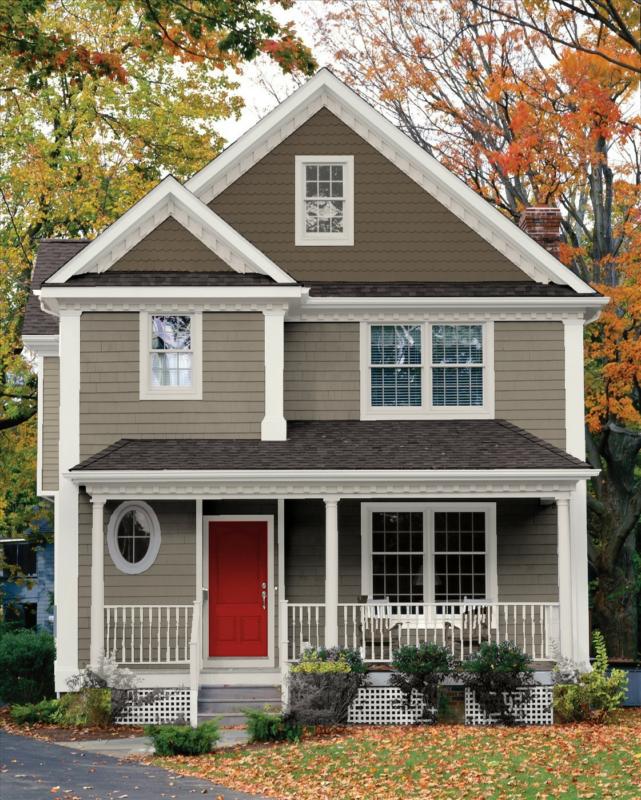
Choosing the right color scheme is crucial for a harmonious and appealing exterior. Consider the architectural style of your home and the surrounding environment. Neutral tones like beige, gray, and white are timeless and versatile, while bold colors like navy blue, forest green, or deep red can make a statement. Accentuate trim, doors, and shutters with complementary hues to add depth and character.

2. Upgrade Your Front Door

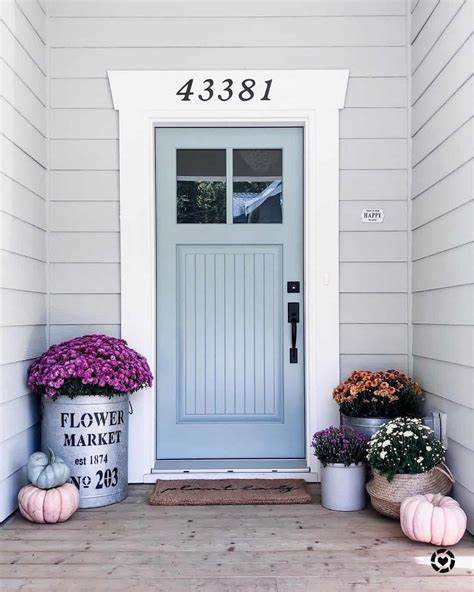
The front door is the focal point of your home’s exterior. A fresh coat of paint in a vibrant color can instantly elevate the look. If your budget allows, consider replacing the door with a modern, energy-efficient option. Adding stylish hardware, such as handles, knockers, and house numbers, can further enhance the aesthetic.


3. Landscaping: The Green Touch

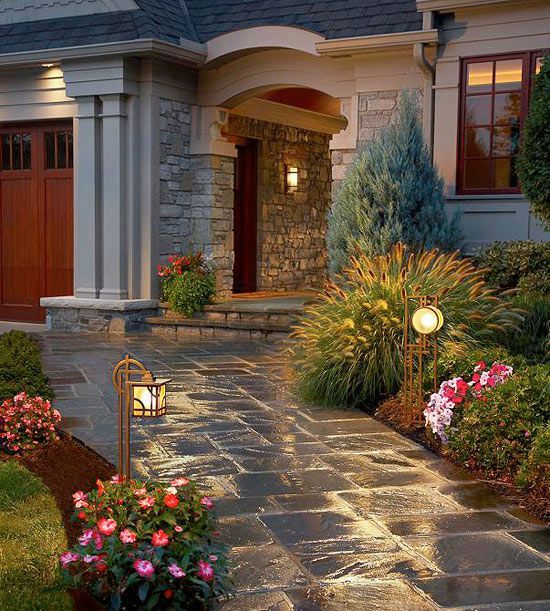
A well-maintained garden can significantly boost your home’s curb appeal. Start with a clean and tidy lawn, trimmed bushes, and weed-free flower beds. Incorporate a mix of perennials and annuals for year-round color and variety. Add mulch to flower beds for a polished look, and consider installing garden lighting to highlight pathways and key features.

4. Lighting: Illuminate the Night

Outdoor lighting not only enhances security but also adds a warm and welcoming ambiance. Install wall-mounted lanterns or sconces by the front door, and consider pathway lights to guide visitors to your entrance. String lights, spotlights, or solar-powered lamps can highlight architectural details and landscaping, creating a magical evening atmosphere.


5. Add Architectural Details

Architectural elements like shutters, decorative brackets, and trim can add charm and character to your home’s exterior. Shutters can be both functional and decorative, providing a classic look. Decorative brackets under eaves or window boxes filled with flowers can bring a touch of whimsy and elegance.


6. Personal Touches

Finally, add personal touches that reflect your style and personality. A unique mailbox, a charming welcome mat, or seasonal decorations can make your home feel welcoming and loved.


Conclusion

Investing in your home’s exterior design can transform its appearance and create a lasting impression. By focusing on these key areas, you can enhance curb appeal, increase property value, and create a beautiful and welcoming home. Whether you’re planning a full-scale renovation or small updates, these tips will help you achieve a stunning exterior design.



Read

Saving For A Down Payment

1. Prioritize your financial and life goals

Saving for a big purchase, like a first home, isn’t easy. It usually requires making hard decisions when it comes to budgeting and weighing your “wants” versus “needs.” You may have to look at cutting back on vacations, eating out in restaurants, your morning drive thru coffee, and even everyday items like clothing and expensive groceries. If you decide saving for a down payment is a top priority, try to find other areas of your life where you can cut down on spending. It’s important to create a detailed financial plan that clearly lays out your path to a down payment. If you’re unsure about how to create a plan, consider booking an appointment with a financial advisor.

2. Pay off your debts before considering a mortgage

A mortgage is a big commitment. If you have any, try to pay off all other debts before taking one on. This is especially true of credit card debt; it’s hard to save for a down payment if you’re paying interest fees every month. Freeing yourself from other debts can also improve your credit score and ability to qualify for a mortgage at a more competitive rate. 

3. Keep your credit score in good standing

It’s important to keep your credit score in good standing if you want to qualify for a mortgage at a good rate. Easy ways to do this include paying all your bills on time, never going over your credit card limits, and staying on top of any suspicious activity on your cards or in your bank account. You’ll also want to build up your credit history in Canada by regularly using credit cards or paying back loans for other items like university tuition or a vehicle. This shows potential mortgage lenders that you can be relied upon to pay your debts. 

4. Borrow from your RRSP

Did you know you can borrow up to $35,000 CAD tax-free from your Registered Retirement Savings Plans (RRSP) to put towards your first home in Canada? If you and your spouse are both first-time home buyers, you can each borrow from your RRSP for a total of up to $70,000 CAD. You’ll have to pay back the funds within a 15-year period, but this is a great way to boost your down payment. In order to qualify for this program, you must plan to use the home as your principal residence within one year of buying or building it. 

5. Use savings from your TFSA

 Tax-Free Savings Accounts (TFSAs) are a great option when it comes to saving for down payments in Canada. They can be an even better option than using your RRSP to fund a down payment because you can take from your TFSA without restriction and there’s no time limit on having to pay the money back, if ever. A TFSA can be accessed at any time, for any purpose, without tax implications. You can also potentially use funds from both your RRSP and TFSA accounts for your down payment. 

6. Factor in maintenance costs and other fees 

Remember that there’s more to purchasing a home than just the sale price. Make sure to calculate all maintenance costs and fees including legal fees, home inspection fees, land survey fees, appraisal fees, land transfer taxes, and new home warranties. These purchases are usually not optional and can add thousands of dollars to your final bill. It’s important to include them in your financial plan.

Buying your first home as a newcomer in Canada is a major milestone. Every individual’s situation is different. In addition to these tips, it’s important to talk to a financial advisor for guidance on how you can save for a down payment and achieve your homeownership dreams. If you’re hoping to become a homeowner in the next few years, book an appointment with a financial advisor to put a financial plan in place and make your goal a reality. 

Read

12 Easter Decorations For 2022


Easter decorations make for the cutest and most fun decorations to make! With pretty pastels, spring flowers, and bright easter eggs, how could they not be cute and fun! We've collected a few of our favourite Easter decorations for you to try out this year!


1. Speckled Robin's Eggs. 


2. Colourful Easter Eggs with Classic Silver.


3. Easter Candy Tree. 


4. The Basket Wreath.


5. Wheatgrass Baskets.


6. Carrot Centerpiece. 


7. Gold Leaf Eggs.


8. Eggshell Planters.


9. Easter Bunny Photo Props.


10. Paint Pen Eggs.


11. Marbled Easter Eggs.


12. Floral Tea Cups.

Read

The 2022 Home Interior Design Trends That Sell

Real estate agents aren’t interior designers, but we are well in tune with the styles and trends of the moment. And if you apply strategic money saving tweaks - from tiny improvements to small renovations - a sellers’ home will truly pop!


Sustainability 


Nowadays this aspect of a home has become a key consideration to most buyers. Think of smart technology that maximises energy efficiency. Materials (building & decor) that are earth friendly and sustainable. You could also reo=place older, power sucking appliances and lighting. You can apply this trend in small and big ways, plus advertising in a listing will definitely stand out.


Functional-Meets-Fun Foyers


Foyers are usually left out and ignored when it comes to design but this year they are being renewed. That means a foyer will meet your needs (mostly storage) in a way that adds to the visual appeal. Such a s invisible storage, double duty furniture (bench seats), statement mirrors, clever accessories and pops of colour. Achieve this with high functionality and your foyer will leave a great first impression to any prospective buyer.


Indoor-Outdoor Connections


In the design industry there’s a term called biophilic design; in essence a design that is for improving wellbeing, not just for function or aesthetics. A common technique in this design is the inclusion of the natural environment in an indoor space. How you can do this trend can vary:


  • Switch out heavy window coverings with light and airy curtains to increase natural light

  • Add large house plants 

  • Replace old exterior door to a large glass pane one (natural light)

  • Accessorise the outdoor spaces that you have for peak relaxation and entertaining.

  • Place a work desk by a large window to show the possibility of outdoor vistas


Privacy


The pandemic changed many things, including the function of modern homes. The need for separate spaces for work/school/fitness compared to an open concept floor plan was obvious. This doesn’t mean you need to be putting up drywall any time soon, but you could illustrate how a space can become private. Strategically place furniture and room dividing objects to demarcate a space. 


Built-To-Last And Easy-To-Maintain Features


A glass stovetop may look nice and sleek when you see it, but as time goes by the fingerprints and grease splatters can get on your nerves. Things like quartz countertops instead of marble, composite decking instead of wood planks and metal roofing instead of shingles are some examples of low-maintenance, forgiving, durable and convenient features and materials for 2022.


On the smaller scale, improvements can be things like using paint with washable finishes, replacing old faucets, removing carpet (if there’s hardwood underneath especially) and switching out standard outdoor lighting for motion-sensing types.


Read

Housing Affordability in Canada 101

What is Affordable Housing in Canada?

Today, an “affordable” house in the Toronto area costs on average around $1,025,200. According to the CMHC (Canadian Mortgage and Housing Corporation) housing is considered “affordable” if it costs less than 30% of your income.


The Most Unaffordable Cities In North America

Looking at Statistics Canada’s numbers, the housing crisis is more severe in small, suburban areas and cities. According to The Globe and Mail, in BC, 31% of renters in West Vancouver spend more than half their income on housing, compared with 25% in the City of Vancouver itself. According to a 2021 report by Oxford Economics, five Canadian cities are ranked among the ten least affordable cities in North America, with Vancouver being the 1st, Toronto the 2nd and Hamilton a Toronto suburb the 3rd.

Most Expensive Canadian Cities To Live in 2020

City

Home Price (2020)

Household Income (2020)

% of Income For Mortgage (2020)

Burnaby, BC

1,048,500

100,408

44.7%

Richmond, BC

1,099,311

107,024

44.0%

Oakville, ON

1,027,355

100,408

43.8%

Vancouver, BC

1,027,355

105,850

41.6%

Kelowna, BC

957,100

100,408

40.8%

Langley, BC

950,700

100,408

40.5%

Coquitlam, BC

902,337

100,408

38.5%

Saanich, BC

868,100

100,408

37.0%

Richmond Hill, BC

907,867

107,024

36.3%

Ajax, ON

851,718

100,408

36.3%

Mississauga, ON

881,348

107,024

35.3%

Markham, ON

871,818

107,024

34.9%

Vaughan, ON

871,818

107,024

34.9%

Brampton, ON

865,467

107,024

34.6%

Whitby, ON

836,050

107,131

33.4%

Surrey, ON

865,467

115,134

32.2%


The Vicious Circle Of Unaffordable Housing

The lack of low-cost rentals of houses supplied in major cities directly results in the rising costs of renting and buying of properties. Majority of rentals and houses in the cities are overpriced and privately owned by investors, forcing low-income workers out of the cities and away from jobs to look for more affordable housing in rural areas. 


WIth the increase of people moving to rural areas it can also increase house prices in these areas as well. 


The Real Estate Boom

The increased demand in real estate has a direct link to prices, which can be from intense growth in these major cities. Due to their popular vacation destinations, COVID-19 pandemic (lower mortgage rates), limited supply. 


Will Everything Go Back to Normal Post-Pandemic?

According to CMHC, the economy is expected to return to normal towards the end of 2023. Other economic variables such as immigration, higher consumer and business levels and the decline of disposable income as government support comes to an end and people return to work.


All in all, Canadian communities are in need of reasonable, inexpensive housing.


Read

Moving Homes With Pets

Moving can be a stressful time for anyone - especially for animals. A different envirnonment and the hectic chaos that is moving can make any pet uneasy. To make the experience happier for everyone, here are tips for success:


  1. Pack an overnight supply of food/litter/toys to sustain your pet and keep them comfortable during the few days you’ll be busy unpacking.

  2. If you’re moving out of your area, get in touch with your vet so you can take records and any prescriptions with you. They can also recommend you to another vet by your new place. 

  3. When you’re actually moving, keep your animal in the quietest room to minimize stress. If you don’t have a friend or a kennel you can leave them at for a day, you can leave them in an empty bedroom or a carrier/kennel. 

  4. Take them in your own vehicle for more comfort. Make things as familiar as you can.

  5. Set up as much as you can in the new house before bringing over the animal to the new home. Make them feel at home as much as you can!

Read

What Does Months of Inventory Mean?

When you want to know how the market is, the “months of inventory” can help you answer that question we hear so often. However, it is not a “normal” figure like days on market or number of homes sold in a month. So what does it mean?


Months of Inventory measures how fast all the existing homes on the market right now would last. Essentially, if there were no more new listings, and they stayed selling at the rate they are, how long it would take until we would run out. 


Example: Say there are 100 homes on the market at the end of the month. Based on the last 12 months of sales, we found that an average of 20 homes sold every month. So simply take 100 (# of homes we have) and divide that by 20 (the average # of homes that sell each month) 100/20= 5. We have 5  months of inventory.


Real estate is hyper-local, meaning that conditions vary not only from neighbourhood to neighbourhood but often down to the street level. Stats shouldn’t always be taken as facts, but generalities. The best way to determine how your home is performing is to get a free market analysis for your home.


Generally, a balanced market will lie somewhere between 4-6 months of inventory. Less than 4 suggests the market favours sellers and more than 6 suggests the market favours buyers.


Read

Sign You Shouldn't Sell Your Home


While this topic may seem obvious, there are many reasons why people sell their homes and later regret it. Every real estate agent has a story about a sale that didn’t happen and why it ended up being the right decision for the people involved to not sell. Here are a few reasons that may occur:


Not Financially Prepared


If your plan is to downsize, the profit of the sale should cover the expenses. If you’re upgrading, you’re going to pay for these expenses out of pocket. You should make sure you have saved enough to cover everything before you decide to sell and move. 


Home Loan Restrictions


If you’ve purchased your current home on a bank loan, you will have to follow through with some legalities like obtaining an NOC from the lending bank, and get the original title deed transferred to the new buyer. Do not attempt to sell your house without fulfilling the stipulations along with the tax liabilities. Other than that, if you sell your house within one year of purchasing it on a loan, you’re liable for paying (STCG) Tax which is the tax applicable on investments sold within one year (percentage may vary between 10-30%). 


The Market Conditions


Depending on how the market is performing based on your location will help determine if it is the right time to sell for you. If it’s a buyer’s market, it will take longer for you to sell and it may not sell at the price you want. However if inventory is low, especially in your homes price range it would be a prime time for you to sell. Consult a real estate agent to help you understand your local market and determine if the market is favourable for you to sell.


Condition Of The Property


If you are wanting a certain price for your home and the property is in disrepair or requires some restorations, it may be productive to first do your upgrades before listing your home for sale. 


Read

Is Buying A Fixer-Upper Worth It?

Buying a dirt-cheap home and spending some money to renovate it can seem like a great idea, but many people are unaware of the amount of effort projects like that take. Weigh up the pros and cons of buying a fixer-upper and present them to your readers in an unbiased manner.


Things to Consider


Do the Math

First add up the costs to renovate the property based on the condition of the house, this should include materials and labour. Next subtract that from the home’s likely market value after renovation, from comparable real estate prices in the neighbourhood. Then deduct at least another 5 to 10 % for extras you decide to add, unforeseen problems and mishaps that have to be dealt with. What’s left should be your offer.


Avoid Major Problems


If the house needs significant structural improvements, many recommend avoiding those properties. Major repairs like plumbing and electrical system overhauls, foundation upgrades and extensive roof and wall work, are usually “invisible” work and hardly ever raise the value of the house enough to offset the cost of the renovation.


Pick Projects That Pay


The ideal fixer uppers are those that require mostly cosmetic improvements; paint touch ups, drywall repairs, floor refinishing - which generally cost much less than what they return in market value. New lighting fixtures, doors, window shutters and siding as well as updated kitchens and bathrooms are also lucrative improvements.


For maximum resale value, remodeling investments should not raise the value of your house more than 10 to 15 % above the median sale price of other houses in your area.


DIY Whenever Possible


It’s usually most cost-effective when homeowners do most of the work themselves. If you’re not the hands on type, be prepared to devote a considerable amount of time to supervising contractors. 


Line Up The Money


Most people don;t have much extra cash after making the down payment and paying closing costs, so coming up with additional money to cover repairs or remodeling can be difficult.


For small projects, credit card debt is an option, interest rates are high and the interest isn’t tax deductible, but there are no up-front costs, such as appraisal and origination fees. 


The most popular funding choice for a fixer upper is a renovation loan, either through a home equity line of credit or a mortgage.


Read

Dealing With Problematic Tenants

Whatever the problem, dealing with problematic tenants can be a nightmare.


Best practices for How to Deal with Terrible Tenants


  1. Be calm, objective and rational

  2. Keep written records of everything

  3. Teach tenants how they should treat you

  4. Try to get your tenants on your side

  5. Ask the terrible tenants to leave

  6. Begin the eviction process

  7. Hire a property manager


Screening tenants is the first and best defense against bad tenants. When you’re finding a tenant, include their appearance (cleanliness), ask direct questions, examine the application, make sure everything is filled out correctly and up to your standards. 


When managing troublesome situations, there are a few rules you should follow:


  1. The first rule is to follow the law - there are certain rights that govern landlords and tenants that you need to be familiar with. You can even contact a lawyer before you take any actions.

  2. The second rule is to abide by the lease - common offences like noise and other disturbances, are typically included in most leases, and everything else you and the other party have agreed upon.

  3. The third rule is to do what is in the best interest of your tenant base - protect and defend the interests of a greater tenant group.

Read

Do You Really Need A Home Inspection? The Pros and Cons

House inspections can help place a value on a home and identify any problems that need solving, but they’re not for everyone. Below we will present the pros and cons and, as always, help you come to a decision as to if investing in a home inspection is right for you.


PROS


A home inspection will ideally ensure the home is in good condition and that there are no hidden defects.  After the inspection is complete, the inspector will provide you with a copy of the report for review. Home inspections are designed to give you an overview of the current state of your property as well as highlight any future problems. Peace of mind has no price, and if you pick a competent inspector to do the job it would be well worth your time and money.


CONS


Be aware of the limitations in a home inspection. It is meant to uncover the majority of the problems that are wrong with a property or that may become a problem. Anything that does not leave a visible sign of an issue, a home inspector may not always be able to pick up on. Not everything can be predicted by your home inspector. They are also not experts on any one particular part of a home, so if you want to know the specifics of the wiring, plumbing or structure of a house, it may be worth it to go to an expert. 


It is going to depend on your particular situation and what you are looking for in an inspection. If you want a general overview of a property, then a home inspector is what you’re looking for. If you want to know the specific condition of the furnace or plumber - hire a professional plumber to come out or an electrician to assess the condition of the wiring of a house. It’s up to you to decide how far into inspections you want to go.


Read

Basics of Interior Decorating

For many people, buying their first home will also include decorating an interior for the first time. Here are a few pointers on design, colors, patterns and decor. 


Your first step when starting to decorate your space is to pick a style. This will keep everything in unity and harmony within a single theme of your design. This can mean you decide you want your space casual instead of formal or traditional instead of contemporary. From there you can go into more specific design styles such as rustic, farmhouse, shabby chic, French country or minimalist. 


Some other elements of design that you should keep in mind are balance, focal point, contrast and variety. Find and keep balance in a room by distributing the visual weight. You can do this symmetrically, which is more traditional or you can do this asymmetrically. In each room there should also be a focal point, an example would be in a living room you would have a fireplace or piece of art. This item can set itself apart by its scale, colour, texture etc. Contrast and variety add visual interest to a room. Repeat certain elements and change others. 


Choosing a colour palette is a very important step in interior design. You can create a colour scheme for your entire space or for a specific room. Create your own mood board to help you in this process of finding your right colour schemes. 


The patterns that you use don’t always have to match, but they do need to complement and coordinate with each other. Consider colour, size and scale. 


Tips to get started with your decor:


Edit - Always look at a room you’ve decorated and find out what works in a room and when something is too much, tasteful or requires embellishment.


Artwork - Carefully consider what you display and how you display it. Set wall art at eye level, for example.


Furniture - Above any other piece of furniture in your home, your sofa and bed are the most important if you are on a tight budget is what you should splurge on. Then you can save for a nice area rug, accent tables and wall art. 


A local spot in town that can help you on your decorating journey is Lillidae Home & Design. 


https://www.liliidaehome.com/


Read
The Saskatchewan REALTORS® Association (SRA) IDX Reciprocity listings are displayed in accordance with SRA's MLS® Data Access Agreement and are copyright of the Saskatchewan REALTORS® Association (SRA).
The above information is from sources deemed reliable but should not be relied upon without independent verification. The information presented here is for general interest only, no guarantees apply.
Trademarks are owned and controlled by the Canadian Real Estate Association (CREA). Used under license.
MLS® System data of the Saskatchewan REALTORS® Association (SRA) displayed on this site is refreshed every 2 hours.