RSS

Create Your Dream Backyard in Saskatchewan: Planting & Privacy Inspiration

Beautiful Plants for Containers

Pots and planters are perfect for patios, decks, and front steps. They’re easy to change with the seasons and offer endless variety. Some top picks include:

  • Petunias: Bright, colorful, and perfect for sun.

  • Geraniums: Classic blooms that thrive in containers.

  • Calibrachoa (Million Bells): Low-maintenance and bursting with color.

  • Ornamental grasses: Add texture and height.

  • Herbs (Basil, mint, parsley): Beautiful, fragrant, and useful in the kitchen.

  • Succulents: Low water needs and trendy style.


Great In-Ground Plants for Saskatchewan Gardens

Our prairie climate calls for tough but beautiful plants that can handle both the heat and cold. Some reliable choices:

  • Daylilies: Low-maintenance, long-lasting blooms.

  • Hostas: Gorgeous foliage for shady spots.

  • Peonies: Timeless beauty with stunning blooms.

  • Coneflowers (Echinacea): Drought-tolerant and pollinator-friendly.

  • Lilacs: Fragrant and hardy.

  • Saskatoon berry bushes: Native and delicious!

  • Spirea shrubs: Pretty, low-maintenance structure for garden beds.

Tip: Add mulch around plants to retain moisture and keep weeds down.


Building Privacy into Your Backyard

Want to make your yard feel more secluded? Here are some excellent natural privacy solutions:

1. Trees & Shrubs for Screening:

  • Columnar Spruce or Cedars for year-round privacy.

  • Cotoneaster hedges that are easy to shape and maintain.

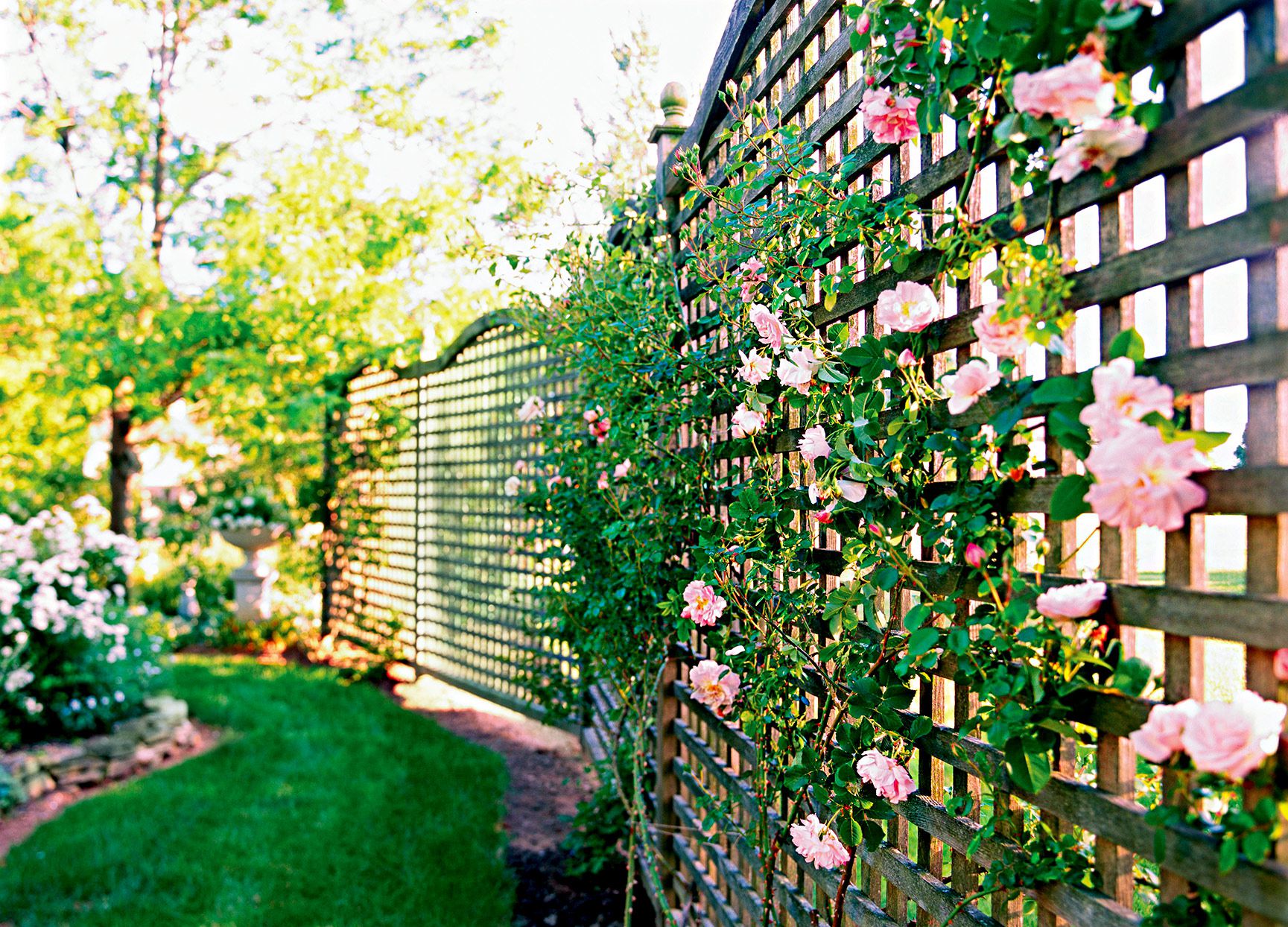
2. Use Trellises for Climbers:

  • Virginia Creeper or Climbing Hydrangea can quickly cover fences or trellises.

  • Hops vines are fast-growing and rustic.

3. Privacy from Flowering Trees:

  • Flowering Crabapple trees offer beauty and coverage.

4. Plant in Layers:
Mix trees, shrubs, and climbing plants for a lush, multi-dimensional privacy screen.

Build the Perfect Patio Area

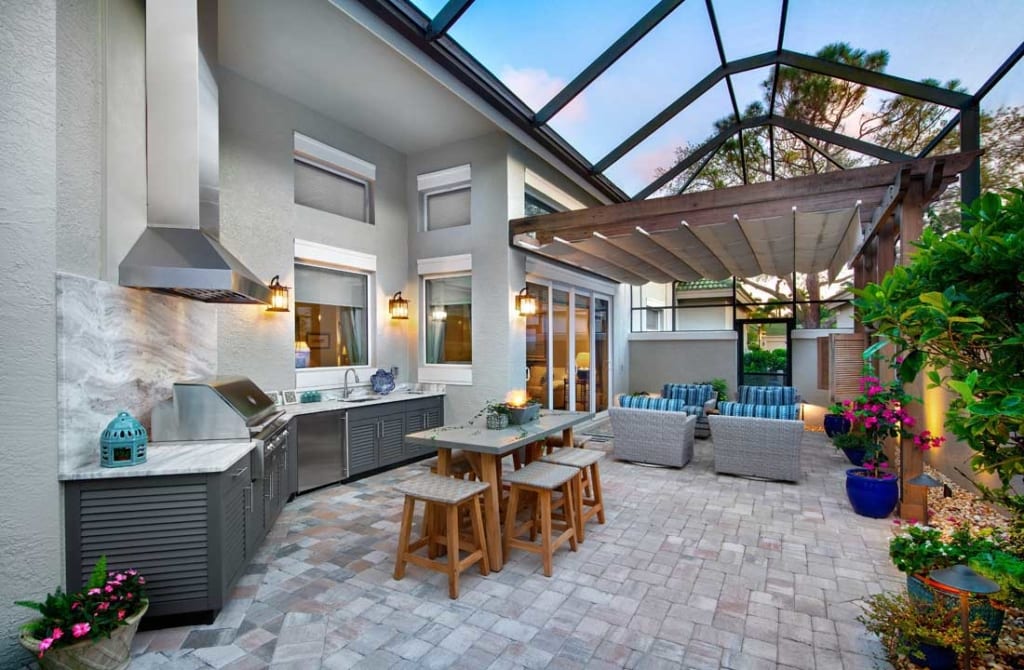
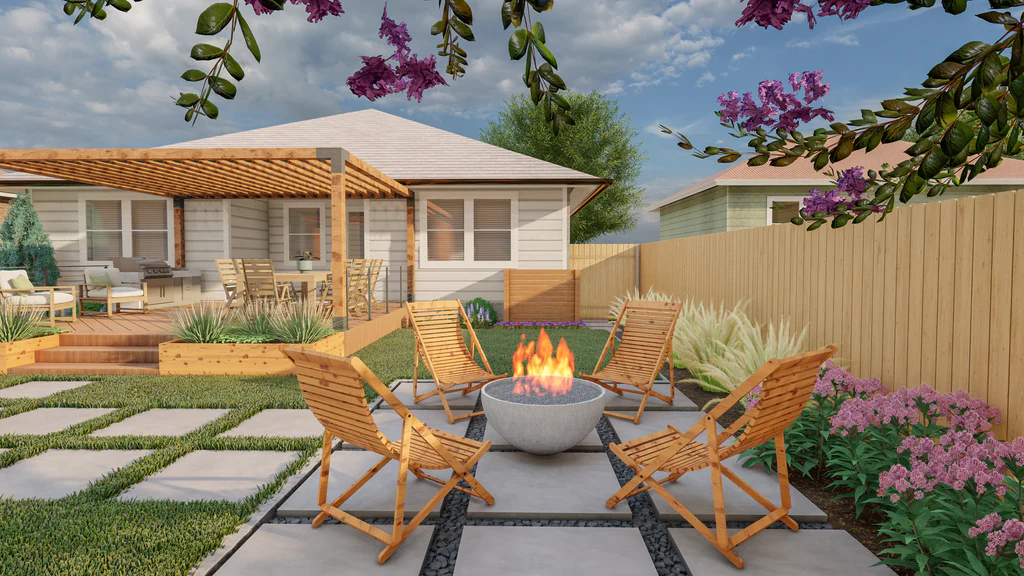
A beautiful patio is the heart of summer living. Here’s how to make yours a favorite gathering spot:

  • Add container gardens around your seating area for pops of color.

  • Include soft lighting — string lights or solar lanterns.

  • Consider installing a pergola with climbing plants.

  • Use outdoor rugs and comfortable cushions to add warmth and style.

  • Choose durable, weather-resistant furniture.

Tip: A patio deck measuring around 15’x22’ provides a spacious but cozy area for furniture and planters.


The Power of Kurapia Ground Cover

For low-maintenance, pet-friendly ground cover that thrives in dry conditions, Kurapia is an exciting option. This dense, lush plant requires minimal water once established, handles foot traffic, and stays green longer than traditional grass. It’s a fantastic alternative for areas where you want greenery without the fuss of frequent mowing and watering.


Conclusion

Your Saskatchewan backyard can be both functional and stunning with the right plants, a thoughtfully designed patio area, and smart privacy solutions. Whether you’re creating vibrant container arrangements, planting hardy perennials, or layering trees and climbers for privacy, these ideas will help you transform your outdoor space into a personal retreat you can enjoy all season long.


Read

Why Small-Town Living is the New Big Thing

As more people seek balance, simplicity, and a sense of belonging, small-town living is experiencing a renaissance. Once seen as sleepy or limiting, towns like Melfort, St. Brieux, Kinistino, and other charming Saskatchewan communities are drawing new residents for their unique blend of lifestyle and opportunity. Here’s why small-town living is becoming the ultimate big move.

1. Affordability

In towns like Melfort and St. Brieux, your dollar stretches further. Housing costs are significantly lower than in larger cities, allowing you to own a spacious home with a yard, perfect for raising a family or pursuing hobbies. Whether it’s a cozy starter home, a lakeside retreat at St. Brieux Lake, or an acreage in the RM of Star City, small-town living offers exceptional value.

2. Tight-Knit Community

Small towns thrive on community spirit. In Melfort, you can enjoy events like the Farmer’s Market, seasonal parades, and family-friendly activities at Spruce Haven Park. Over in St. Brieux, community events like local hockey games and school fundraisers bring everyone together. Meanwhile, Kinistino offers a quieter, family-oriented atmosphere with community staples like the Kinistino Arena and its local recreation programs. It’s where neighbors become friends, and everyone is invested in helping the community thrive.

3. Quality of Life

Small-town living means less stress and more time to focus on what matters. Forget long commutes—most amenities are just minutes away. In Melfort, you’re close to shopping, schools, and healthcare, while St. Brieux offers a quieter pace with easy access to outdoor adventures. Both towns have fantastic schools, making them ideal for families.

4. Proximity to Nature

Nature is at your doorstep in towns like St. Brieux and Melfort. From the serene waters of St. Brieux Lake, perfect for boating and fishing, to the picturesque trails around Wapiti Valley and winter fun at Wapiti Valley Ski Resort, small-town life is a haven for outdoor enthusiasts. The area’s natural beauty is matched only by its stunning sunsets and starry night skies—something city living can’t compete with.

5. Opportunities for Growth

Small towns aren’t just quiet—they’re thriving. With businesses like Bourgault Industries in St. Brieux or opportunities in Melfort’s agricultural and retail sectors, there’s room for personal and professional growth. Remote workers also find these areas ideal, combining career flexibility with a peaceful lifestyle. For entrepreneurs, the supportive community and lower operating costs make starting a business more accessible.

6. Small-Town Pride

Nothing captures the spirit of small-town pride better than cheering on the Melfort Mustangs, the local SJHL hockey team. The Mustangs bring the community together, creating unforgettable memories at the Northern Lights Palace Arena. Whether you're a die-hard hockey fan or new to the sport, joining the crowd to support the team is an experience you won’t want to miss.

7. A Place to Call Home

At its heart, small-town living is about belonging. Imagine settling down in a place where people know your name, wave as you pass by, and genuinely care about your well-being. Whether it’s the tight-knit neighborhoods of Melfort, the lakeside serenity of St. Brieux, or the welcoming charm of Kinistino, these towns offer that sense of home, where local coffee shops, schools, and parks become an extension of your family life.

Conclusion

Small-town living isn’t about giving up—it’s about gaining more: more time, more space, more peace, and more community. Whether you’re looking for a fresh start, a better quality of life, or a lakeside escape at St. Brieux Lake, towns like Melfort, St. Brieux, and Kinistino are ready to welcome you.

Are you ready to make the move? Let us help you find your perfect place. Contact Realty Executives Gateway Realty to start your journey today!

Read

The 2024 Home Interior Design Trends That Sell

When selling a home, a thoughtfully designed interior can make a significant impact. In 2024, buyers are prioritizing spaces that combine style, functionality, and personality. By integrating these design trends, you can make your home stand out and potentially sell faster for a higher price.

1. Natural Materials and Earthy Tones

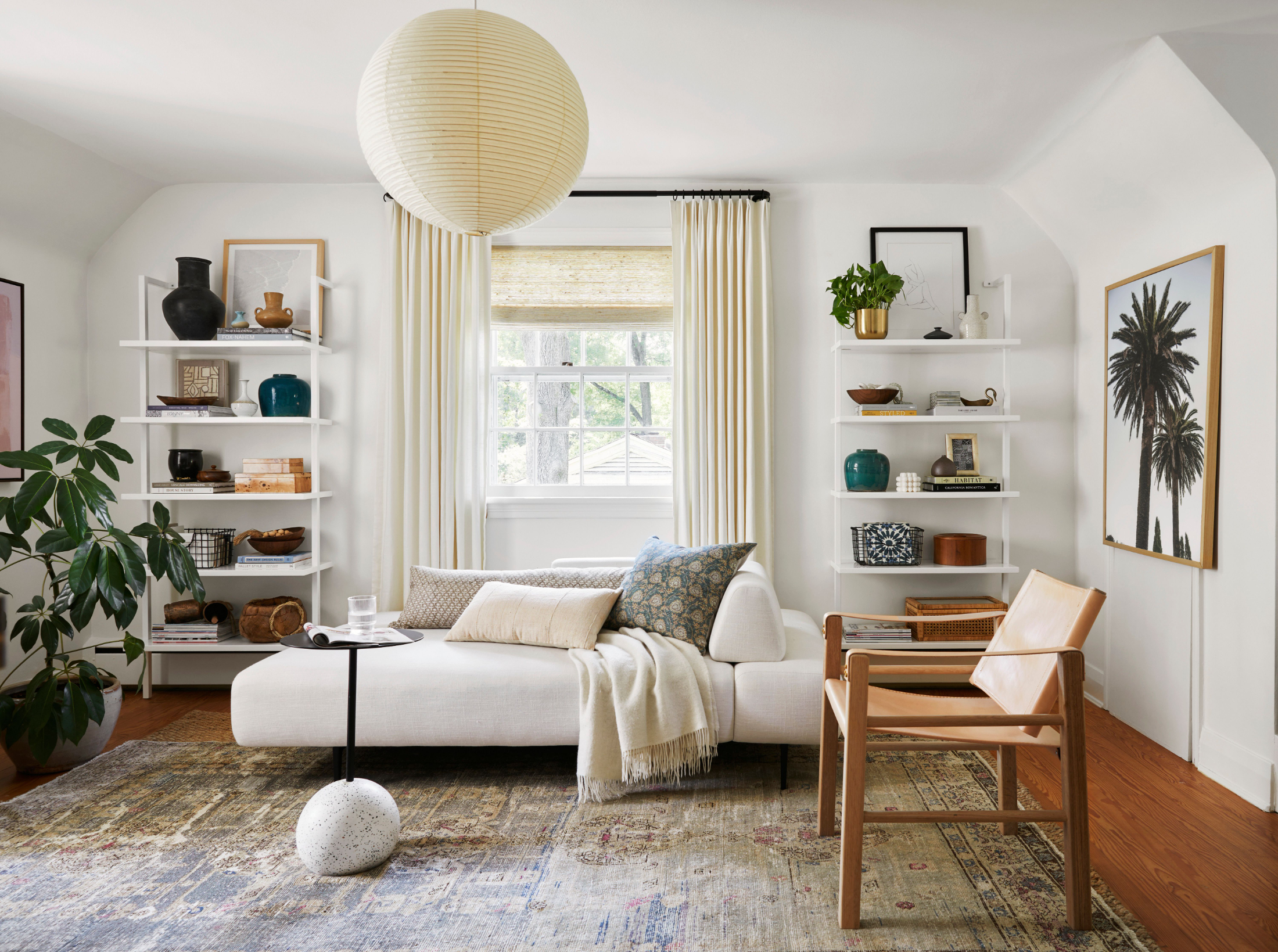
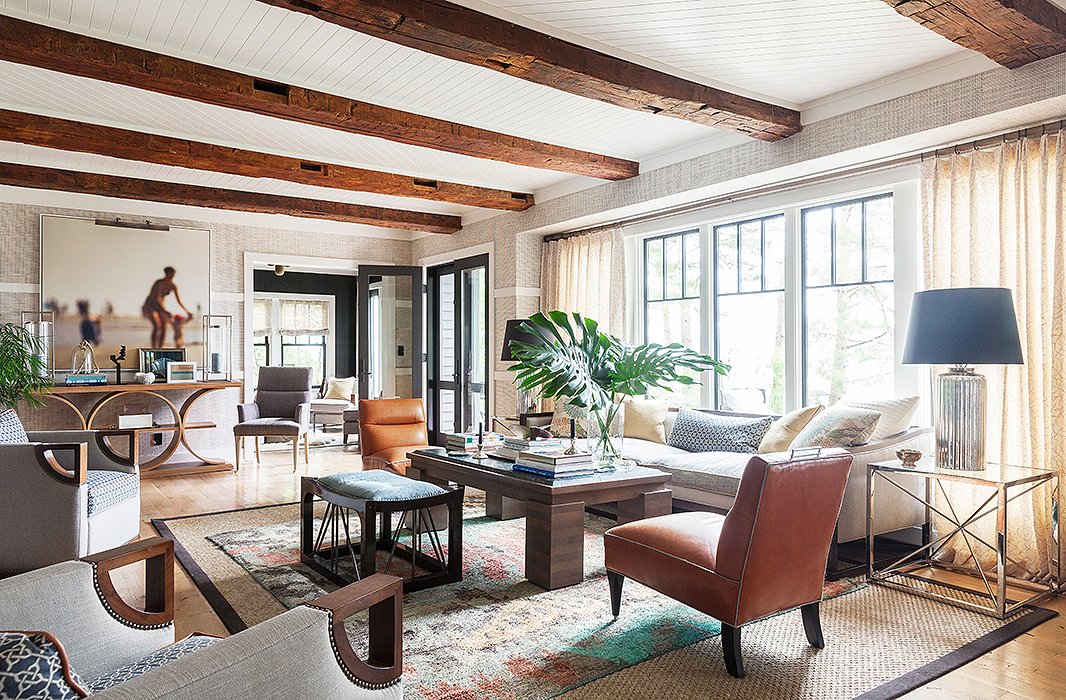
Buyers are seeking the calming influence of organic materials and earthy colors. Natural wood floors, stone accents, and rattan or wicker furniture create a warm, grounded atmosphere. Pair these elements with earthy tones like terracotta, olive green, or beige for a cohesive, inviting look.

Selling Tip: Consider swapping out synthetic finishes for natural wood shelving or countertops. Adding potted plants and textured throw pillows in earthy hues can further enhance the aesthetic.

2. Statement Lighting

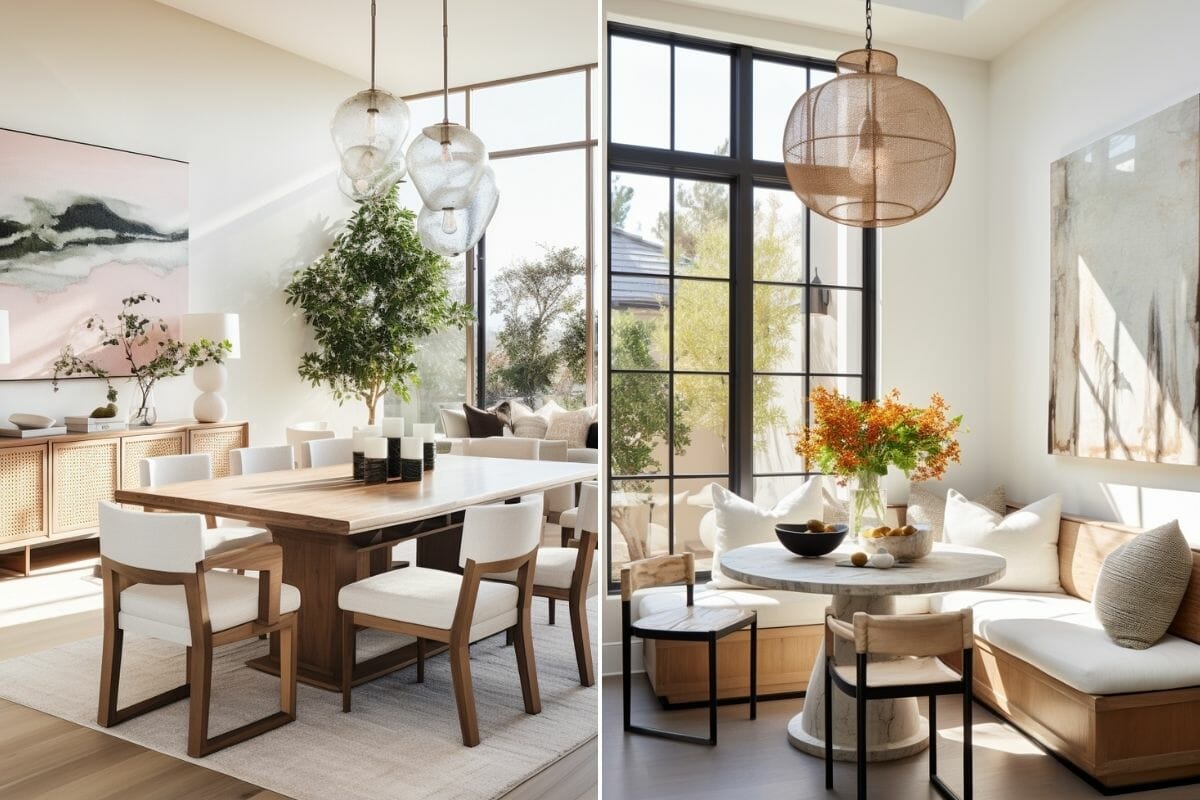
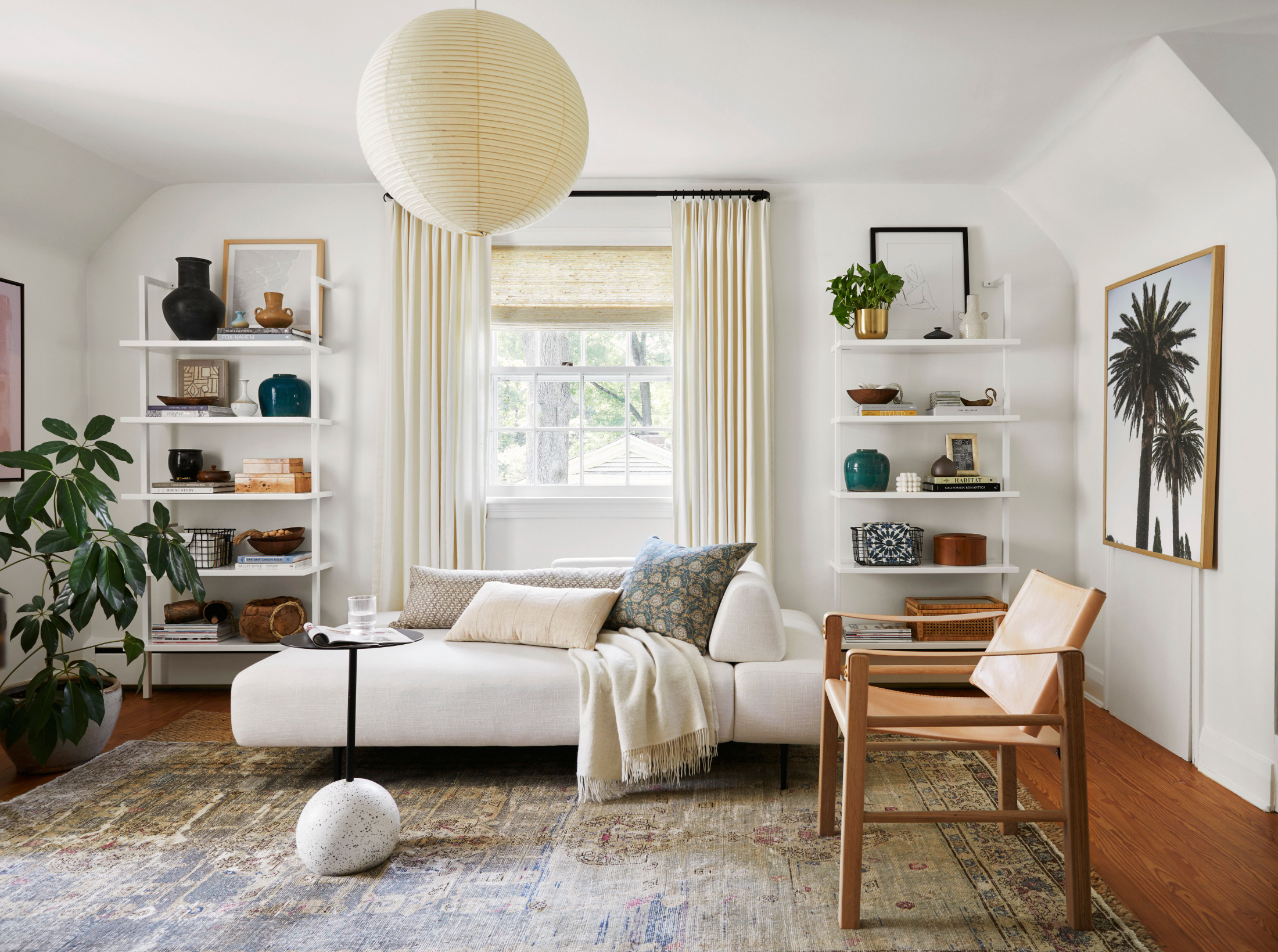
Lighting has become a focal point in modern interiors. Oversized pendants, geometric chandeliers, and vintage-inspired sconces are trending in 2024. Buyers see lighting as both functional and a way to add character to a space.

Selling Tip: Replace outdated fixtures with affordable statement pieces to create a sense of drama and elegance. Highlight key areas like dining tables, kitchen islands, or entryways with eye-catching lighting.

3. Multifunctional Spaces

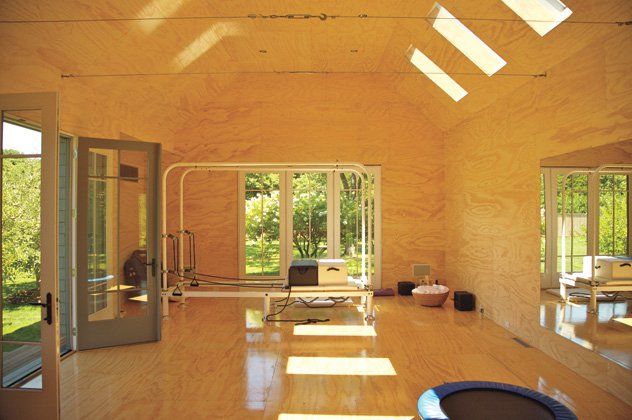
Post-pandemic living has heightened the demand for versatile spaces. Buyers now favor homes with rooms that can adapt to various needs, such as a combined home office and guest room, or a workout space that doubles as a playroom.

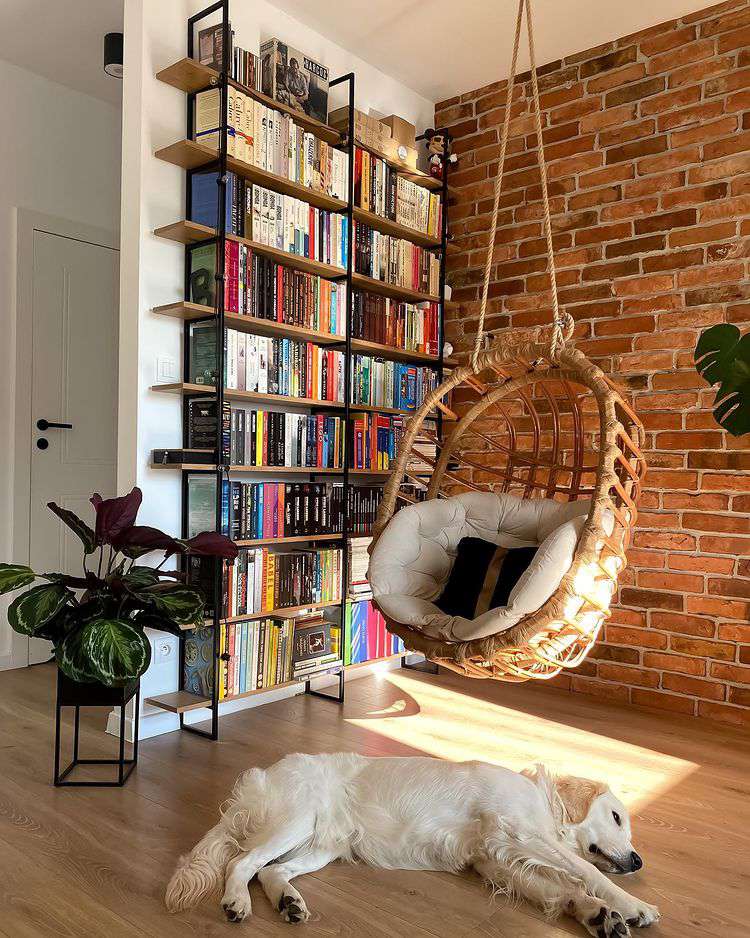
Selling Tip: Stage unused spaces creatively to showcase their potential. For instance, turn an awkward corner into a cozy reading nook or a spare bedroom into a stylish home office with a simple desk and chair setup.

4. Vintage and Upcycled Decor

In 2024, sustainability meets charm with the popularity of vintage and upcycled furnishings. Mixing modern pieces with antique or repurposed items adds character and reduces waste, which appeals to eco-conscious buyers.

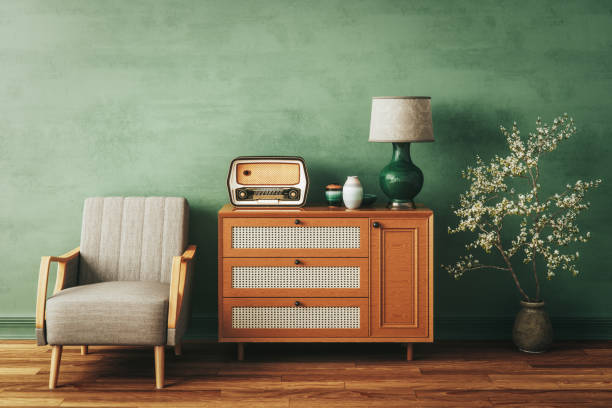
Selling Tip: Highlight a statement vintage piece, like a refurbished console table or a retro mirror. Pair it with contemporary decor to balance the old with the new.

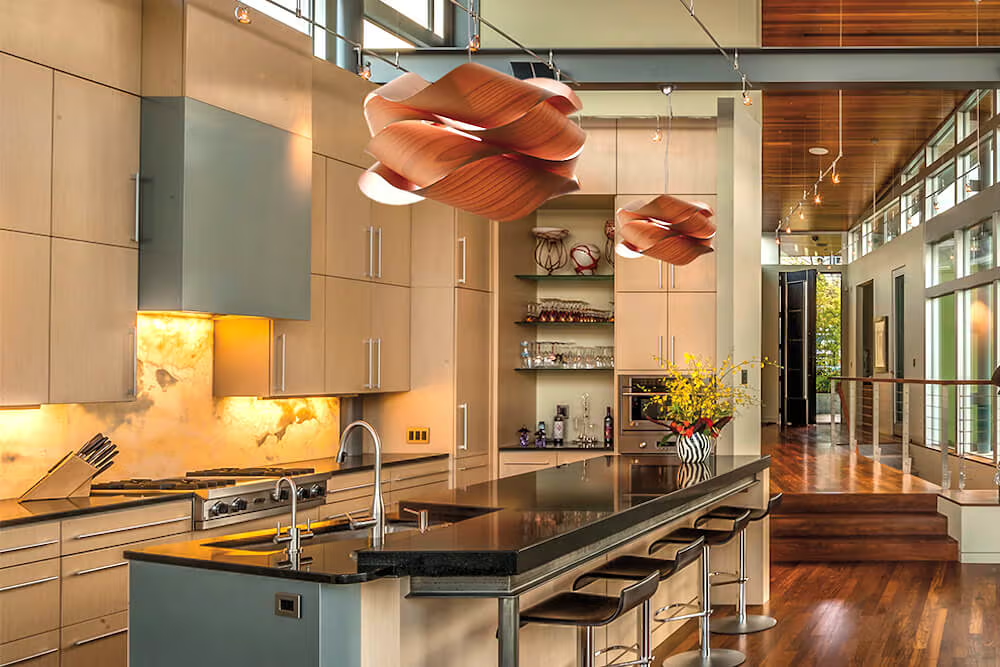
5. Bold, Modern Kitchens

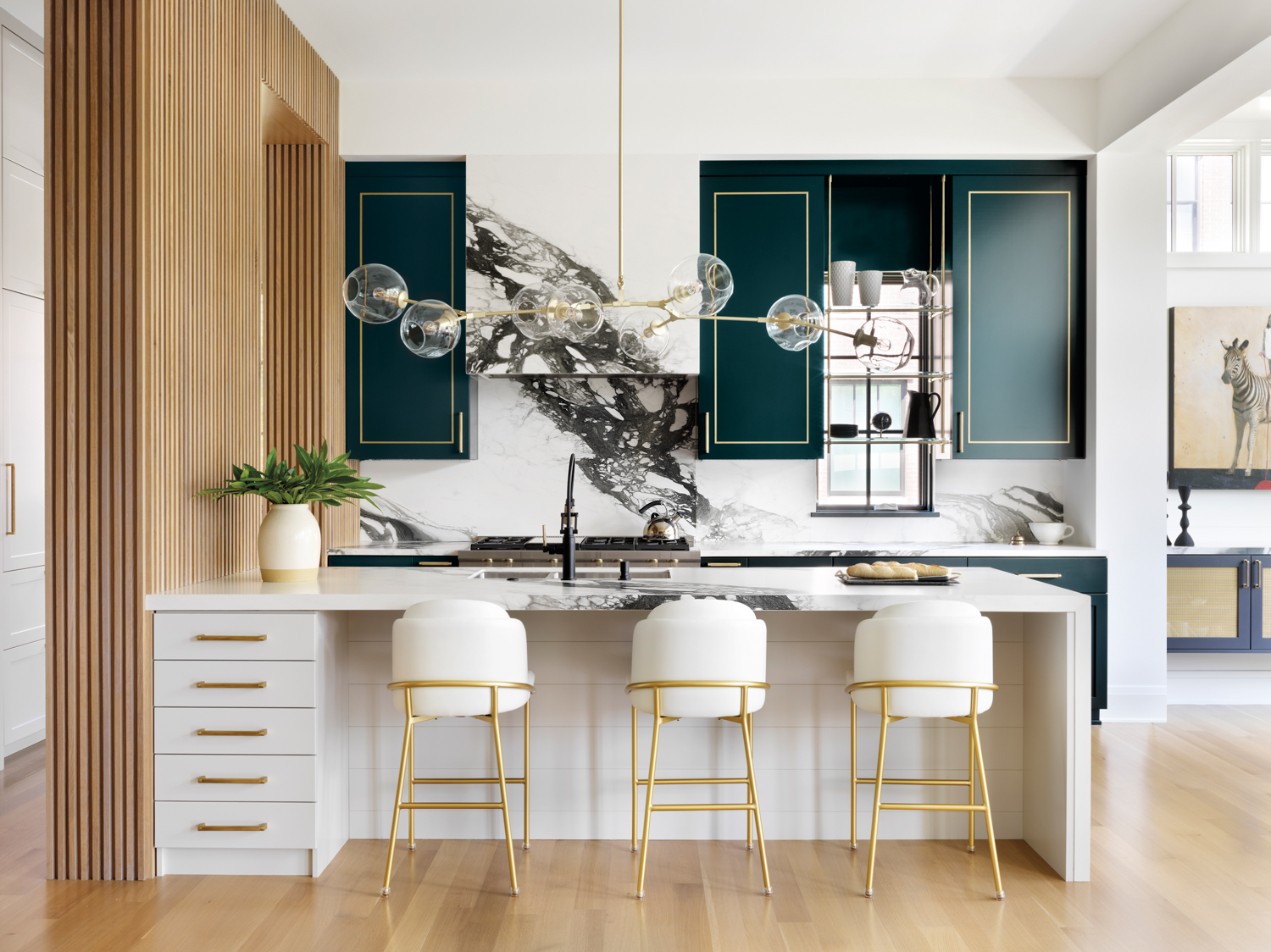
The kitchen remains the heart of the home, and bold design choices are making waves. Deep jewel tones like emerald green or navy blue are complemented by gold or brass hardware for a rich, sophisticated look. Open shelving, large kitchen islands, and smart appliances are also in demand.

Selling Tip: If a full remodel isn’t feasible, focus on smaller updates like repainting cabinets, adding new hardware, or installing a striking backsplash. These changes can make your kitchen look updated without breaking the bank.

6. Spa-Like Bathrooms

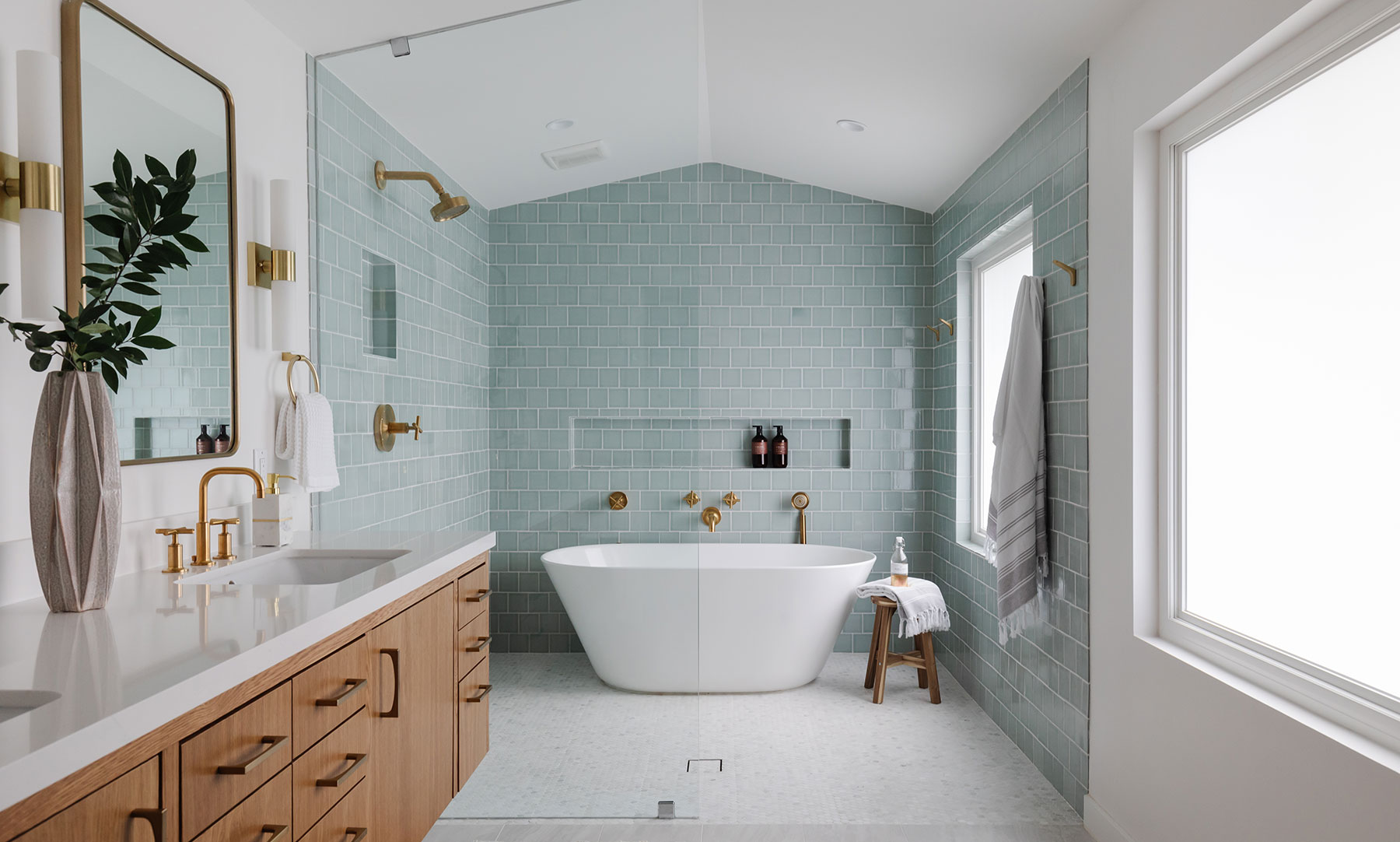
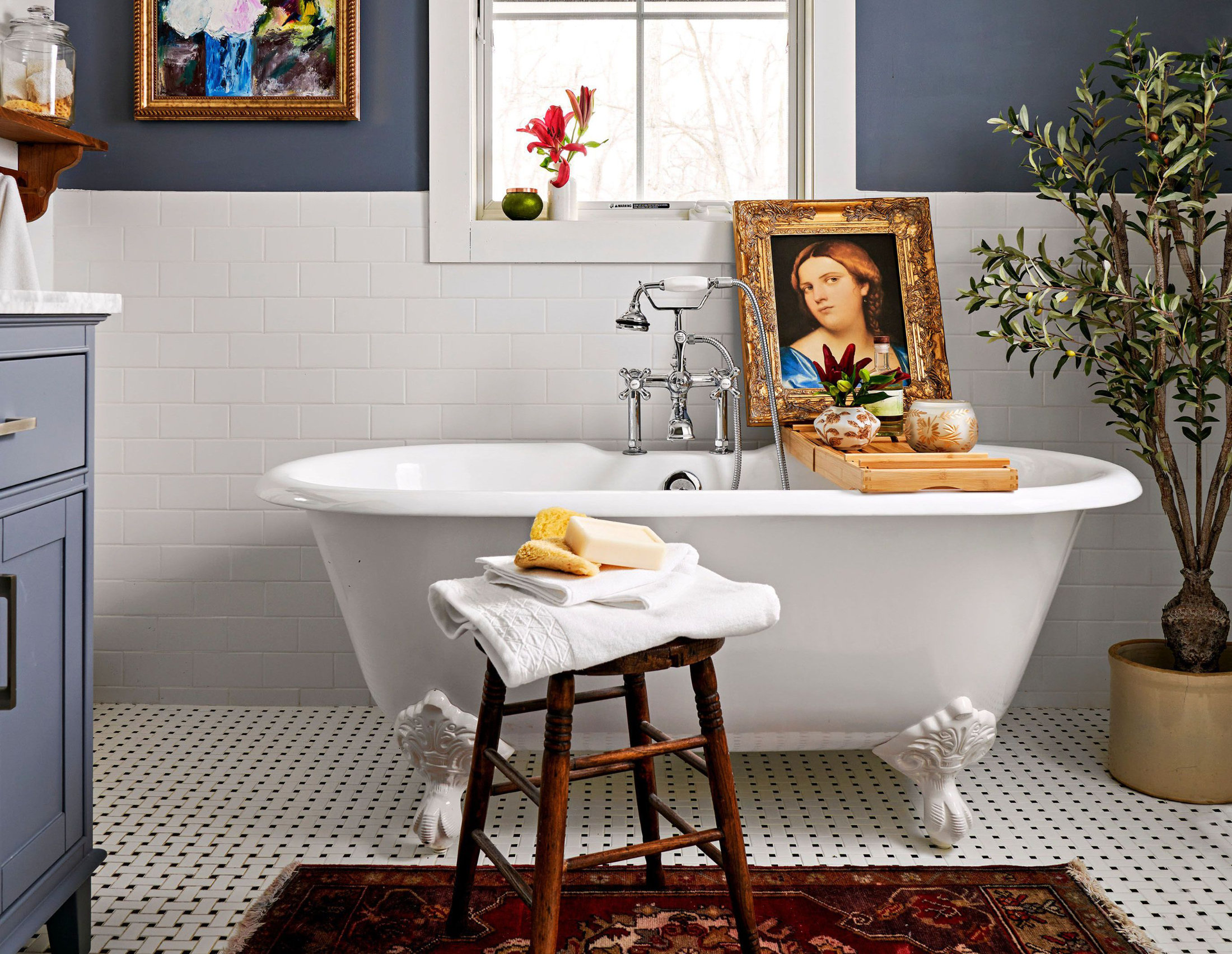
Buyers are increasingly drawn to bathrooms that mimic luxurious spas. Features like walk-in showers with rainfall heads, freestanding bathtubs, and natural stone tiles are highly desirable. Pair these elements with soft, neutral tones and simple greenery for a serene vibe.

Selling Tip: Stage the bathroom with rolled white towels, a small tray with candles, and a potted plant. These little touches make the space feel high-end without major renovations.

7. Minimalism Meets Personality

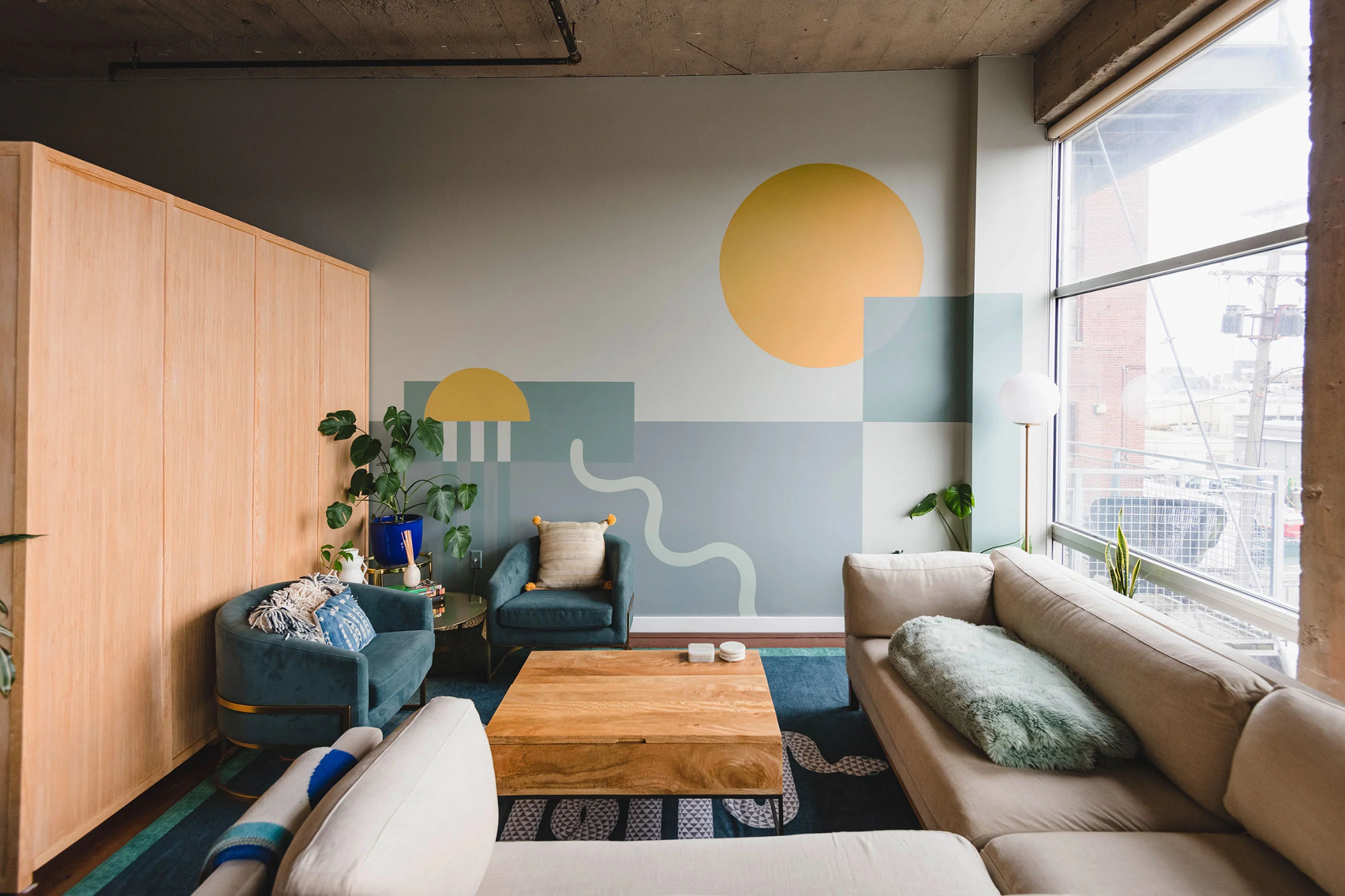
While minimalism remains popular, buyers now appreciate homes with a touch of personality. Clean lines and uncluttered spaces serve as a base, but adding bold accent walls, unique textures, or curated decor brings warmth and individuality.

Selling Tip: Use throw pillows, artwork, or accent furniture to introduce a pop of color or texture. A statement wall with wallpaper or a bold paint color can become a memorable focal point.

8. Biophilic Design

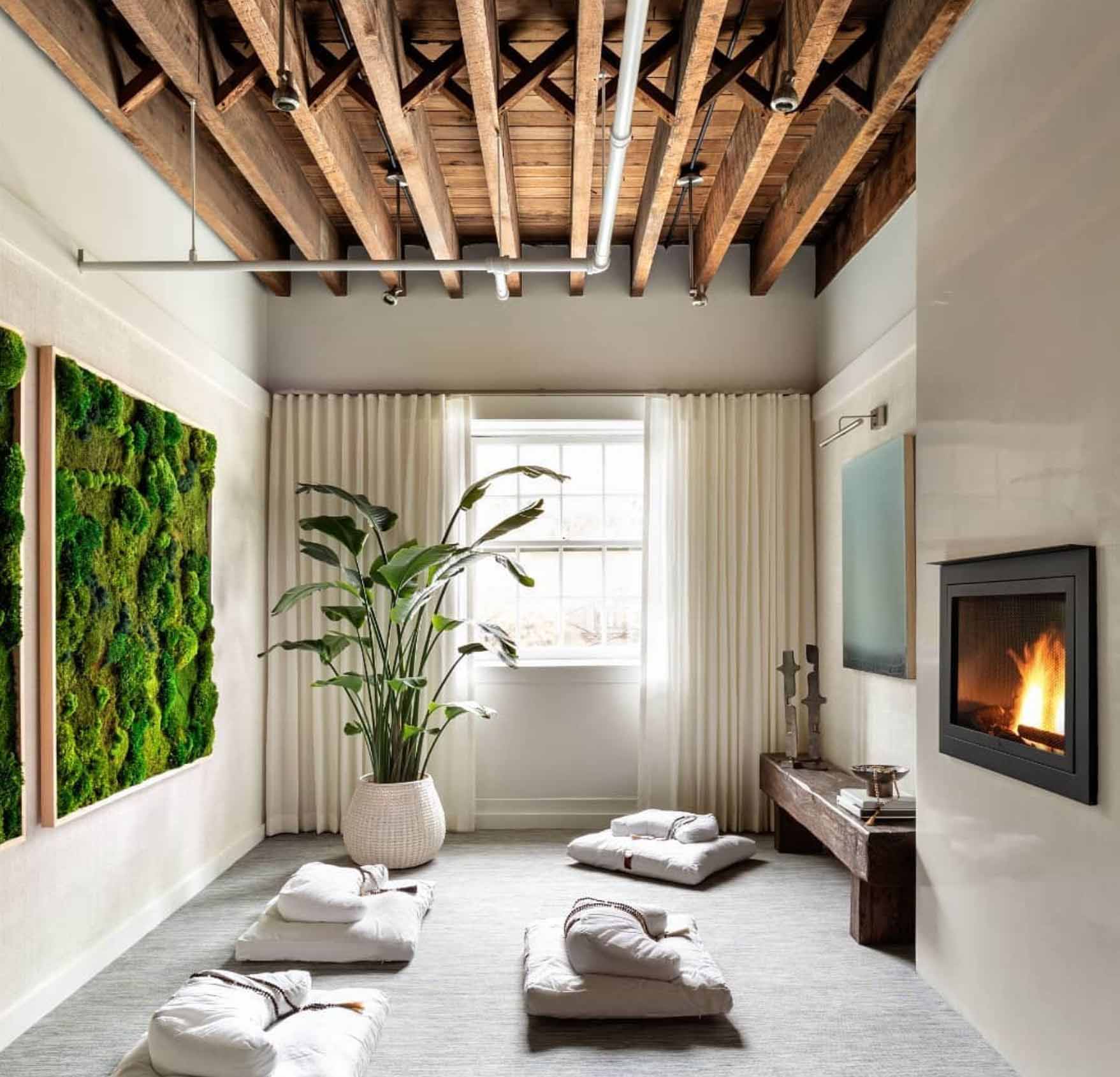
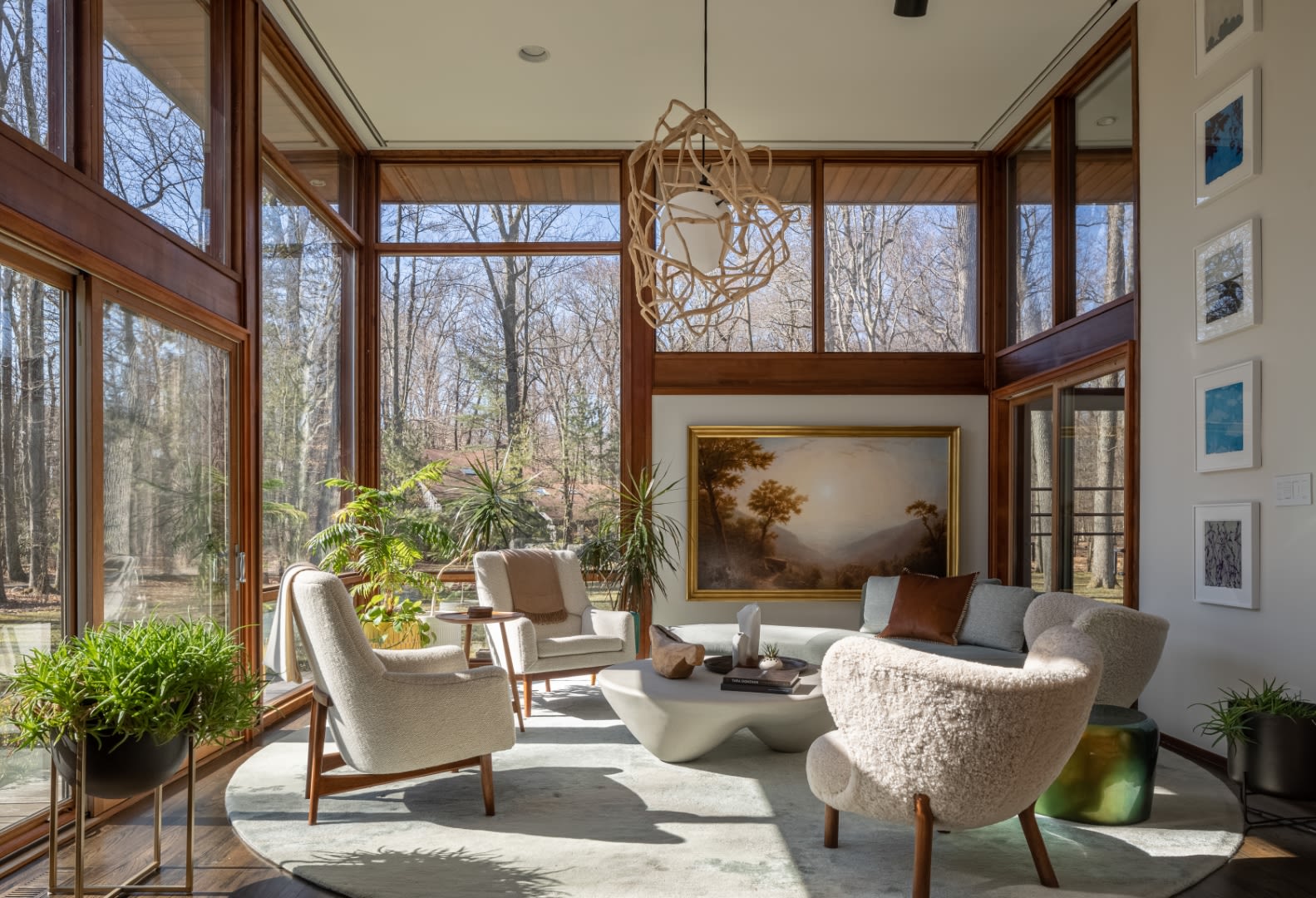
The connection between humans and nature continues to influence interior design. Large windows, natural light, and an abundance of indoor plants help create a calming environment that buyers crave.

Selling Tip: Arrange potted plants near windows or on shelves to emphasize the indoor-outdoor connection. Highlight large windows by removing heavy curtains and letting natural light flood the space.

Bonus: Smart Home Features

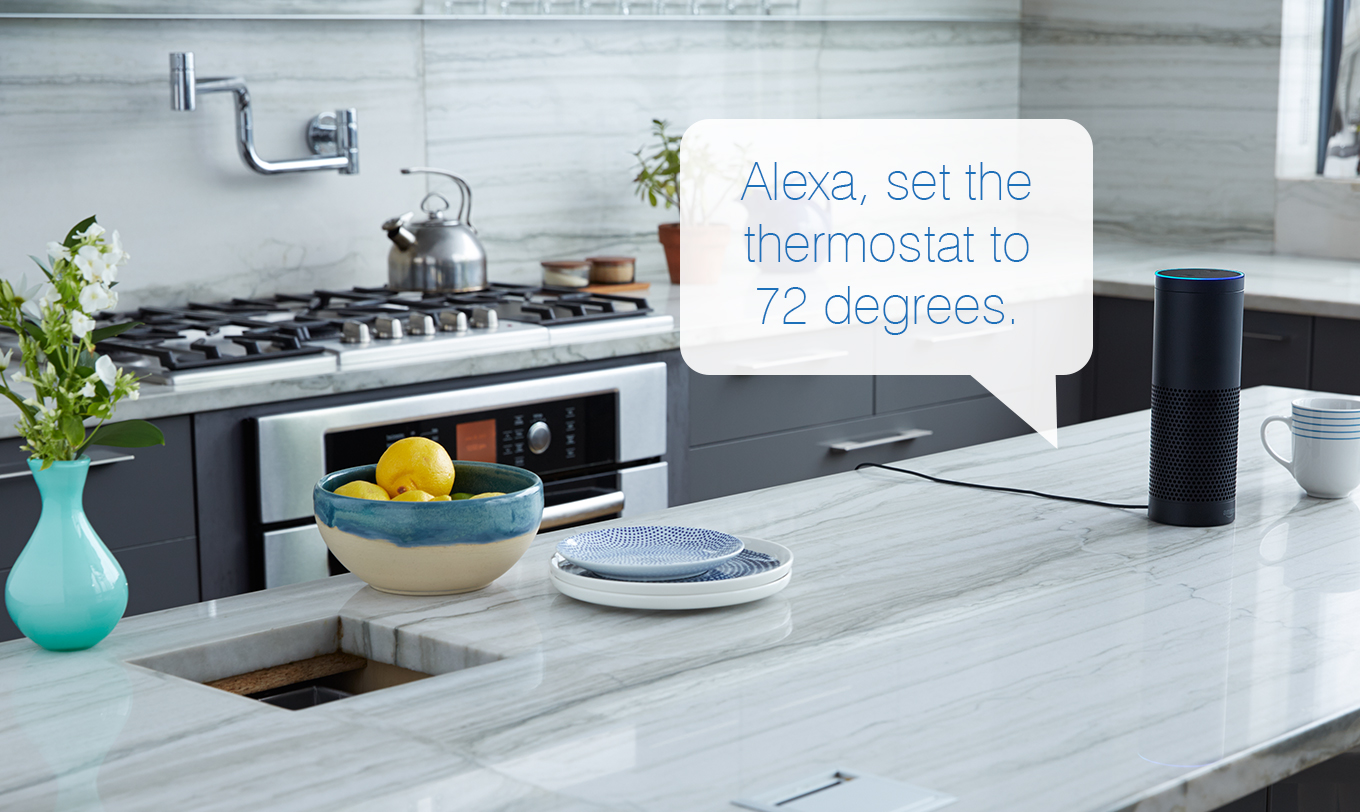
While not strictly a design trend, integrating smart technology can boost your home's appeal. Automated lighting, smart thermostats, and integrated home security systems are features that buyers increasingly expect.

Selling Tip: Demonstrate how these features work during showings to help buyers see the added convenience and energy savings.

Final Thoughts

Incorporating 2024’s top interior design trends into your home can make it more appealing to today’s buyers. From natural materials to multifunctional spaces, these updates can help your property stand out in a competitive market.

Need help preparing your home for sale? Contact us for expert staging tips, advice, and more!

Read

Energy-Saving Tips: How to Keep Heating Bills Low This Winter

Winter is here, and while we all love the cozy warmth of our homes, heating bills can quickly rise when temperatures drop. Fortunately, there are simple and effective ways to keep those costs down while staying comfortable. Here are some energy-saving tips for making your home more efficient this winter:

1. Weatherproof Your Home

Heat can escape through small gaps in your home, forcing your heating system to work harder. Weatherproofing stops this energy loss.

  • Seal Doors and Windows:
    Apply adhesive weatherstripping to door frames and windows to block drafts. For larger gaps, use caulking to seal cracks. Pay special attention to older windows and doors where seals may have worn out.

  • Install Door Sweeps:
    Door sweeps at the bottom of your exterior doors can block cold air from seeping in. They’re inexpensive and easy to install.

  • Use Draft Stoppers:
    Place draft stoppers (or even a rolled-up towel) along the base of windows and doors to keep the heat inside.

  • Cover Windows with Insulation Film:
    Clear plastic window insulation kits add an extra layer of protection and are easy to apply. These are particularly effective on single-pane windows, preventing cold drafts while letting light through.


2. Ensure Proper Insulation

Insulation acts as a barrier to heat loss, keeping your home warmer with less energy. Proper insulation in key areas can significantly lower your heating costs.

  • Attic Insulation:
    Since warm air rises, an uninsulated or poorly insulated attic can cause substantial heat loss. Check your attic’s insulation level. Adding blown-in or batt insulation with an R-value suited to your climate can make a big difference.

  • Wall Insulation:
    If you live in an older home, your walls may lack sufficient insulation. While upgrading wall insulation may involve some cost, it’s a worthwhile investment. Spray foam or cellulose insulation can be added during renovations.

  • Pipe and Duct Insulation:
    Insulate exposed heating ducts in unheated spaces like basements or attics to prevent heat loss. Similarly, wrap exposed pipes to prevent them from freezing and to maintain the efficiency of your water heater.


Energy-Saving Tips: How to Keep Heating Bills Low This Winter

Winter’s chill is here, and while a warm home is essential, rising heating bills can be a concern. With a few smart adjustments and some maintenance, you can create a cozy, energy-efficient home that saves you money. Here’s a detailed guide to help you lower heating costs without sacrificing comfort:


1. Weatherproof Your Home

Heat can escape through small gaps in your home, forcing your heating system to work harder. Weatherproofing stops this energy loss.

  • Seal Doors and Windows:
    Apply adhesive weatherstripping to door frames and windows to block drafts. For larger gaps, use caulking to seal cracks. Pay special attention to older windows and doors where seals may have worn out.

  • Install Door Sweeps:
    Door sweeps at the bottom of your exterior doors can block cold air from seeping in. They’re inexpensive and easy to install.

  • Use Draft Stoppers:
    Place draft stoppers (or even a rolled-up towel) along the base of windows and doors to keep the heat inside.

  • Cover Windows with Insulation Film:
    Clear plastic window insulation kits add an extra layer of protection and are easy to apply. These are particularly effective on single-pane windows, preventing cold drafts while letting light through.


2. Ensure Proper Insulation

Insulation acts as a barrier to heat loss, keeping your home warmer with less energy. Proper insulation in key areas can significantly lower your heating costs.

  • Attic Insulation:
    Since warm air rises, an uninsulated or poorly insulated attic can cause substantial heat loss. Check your attic’s insulation level. Adding blown-in or batt insulation with an R-value suited to your climate can make a big difference.

  • Wall Insulation:
    If you live in an older home, your walls may lack sufficient insulation. While upgrading wall insulation may involve some cost, it’s a worthwhile investment. Spray foam or cellulose insulation can be added during renovations.

  • Pipe and Duct Insulation:
    Insulate exposed heating ducts in unheated spaces like basements or attics to prevent heat loss. Similarly, wrap exposed pipes to prevent them from freezing and to maintain the efficiency of your water heater.


3. Optimize Heating with a Smart Thermostat

Smart thermostats are more than just convenient—they're a practical way to manage energy use without sacrificing comfort.

  • Programming Schedules:
    Set your thermostat to lower the temperature during the hours you're asleep or away from home. For example, drop the temperature by 5–10°F at night or while you’re at work to save up to 10% on heating costs annually.

  • Remote Control:
    Many smart thermostats can be controlled from your phone, so you can adjust the heat before arriving home.

  • Zoned Heating:
    Some systems allow you to heat specific areas of the house, reducing energy use in rooms that aren’t frequently used.

  • Energy Monitoring:
    Track your energy consumption through the thermostat’s app. Many models, like Nest or Ecobee, offer tailored recommendations to improve efficiency.


4. Maintain Your Heating System

A well-maintained heating system runs more efficiently, using less energy and lasting longer.

  • Replace Furnace Filters Regularly:
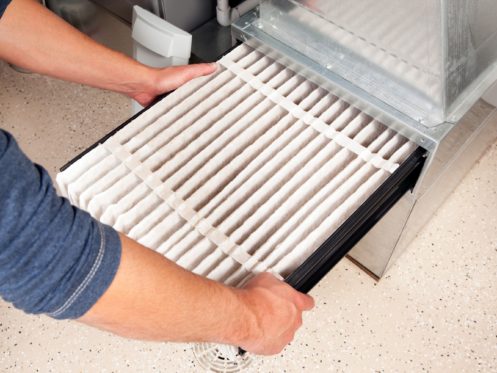
    Dirty filters force your furnace to work harder to circulate air, increasing energy consumption. Replace filters every 1–3 months, depending on usage and filter type.

  • Schedule Annual Tune-Ups:
    Have a professional HVAC technician inspect and service your system. They’ll clean the components, check for leaks, and ensure everything is working optimally.

  • Bleed Radiators:
    If you use radiators, bleed them to remove trapped air that can prevent them from heating efficiently.

  • Seal Heating Ducts:
    Leaky ducts can result in 20–30% heat loss. Use mastic sealant or metal tape (not duct tape) to seal any visible gaps.


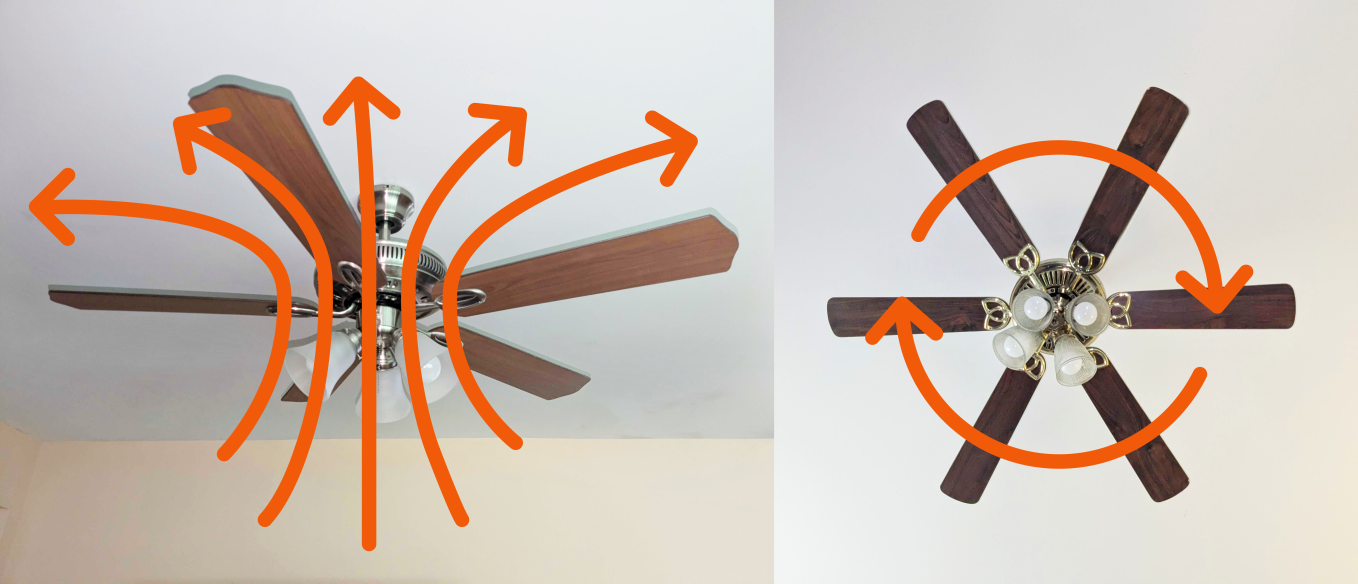
5. Leverage Ceiling Fans in Winter

Ceiling fans aren’t just for summer—they can help circulate warm air in winter too.

  • Reverse the Direction:
    Switch the fan to rotate clockwise at a low speed. This pushes warm air trapped near the ceiling back down into the living space, improving comfort and reducing the need for additional heating.


6. Take Advantage of Natural Heat

Harness the sun’s natural warmth to reduce heating costs.

  • Open Curtains During the Day:
    Let sunlight in through south-facing windows to naturally warm your home. Be sure to clean windows and trim any outdoor branches that block sunlight.

  • Close Curtains at Night:
    Insulated or thermal curtains help trap heat inside your home when the temperature drops after sunset.


7. Invest in Simple Upgrades

Small changes can have a big impact on energy savings:

  • Radiator Reflectors:
    Place foil panels behind radiators to reflect heat back into the room instead of letting it escape through walls.

  • Smart Plugs for Space Heaters:
    If you use space heaters, pair them with smart plugs to limit usage to when needed and prevent overheating.

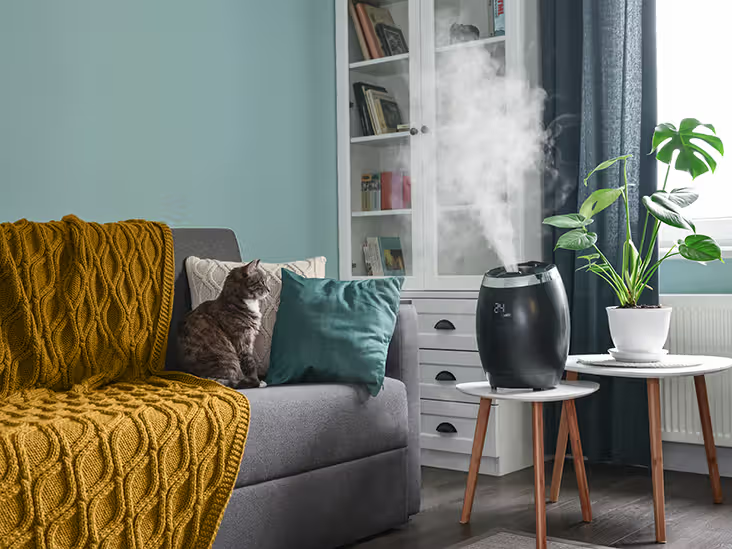
  • Install a Humidifier:
    Moist air feels warmer than dry air, so a humidifier can make your home feel cozier without turning up the heat.


Final Thoughts

By weatherproofing your home, optimizing insulation, and using smart technology, you can reduce heating costs while keeping your living space comfortable all winter long. Start with small, budget-friendly changes and consider larger investments as needed—your wallet (and the planet) will thank you!

Stay warm, save energy, and enjoy the coziness of winter! ❄️

Read

Deck the Halls: Fresh Ideas for Decorating Your Home This Christmas

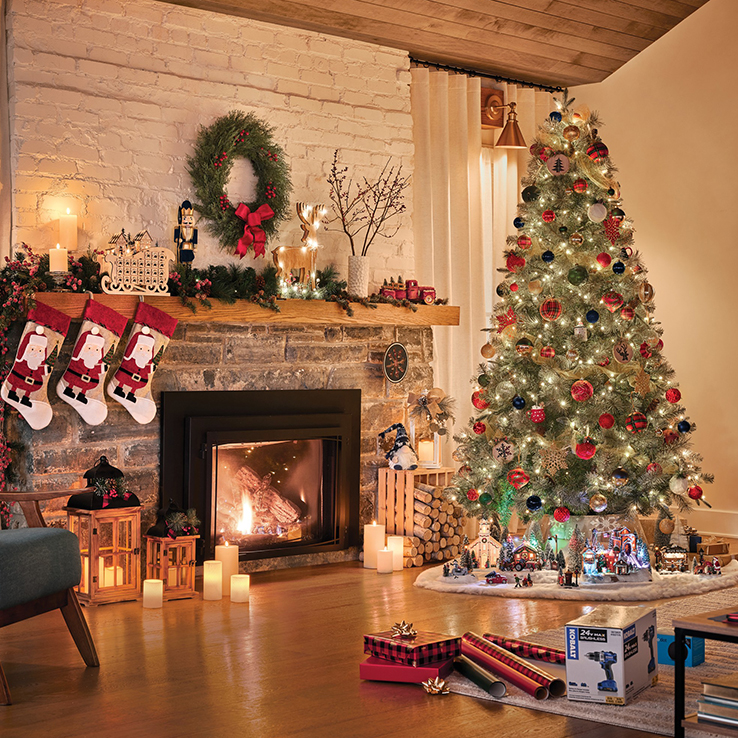
The holiday season is upon us, and it’s time to transform your home into a magical winter wonderland. Whether you’re a fan of timeless traditions or looking for modern twists, this year’s Christmas decorating trends are all about blending cozy nostalgia with creative, personalized touches. Let’s explore some festive ideas to make your home sparkle this season!


1. Start with a Theme

Choosing a theme sets the tone for your holiday décor and makes it easier to coordinate your decorations. Here are a few ideas:

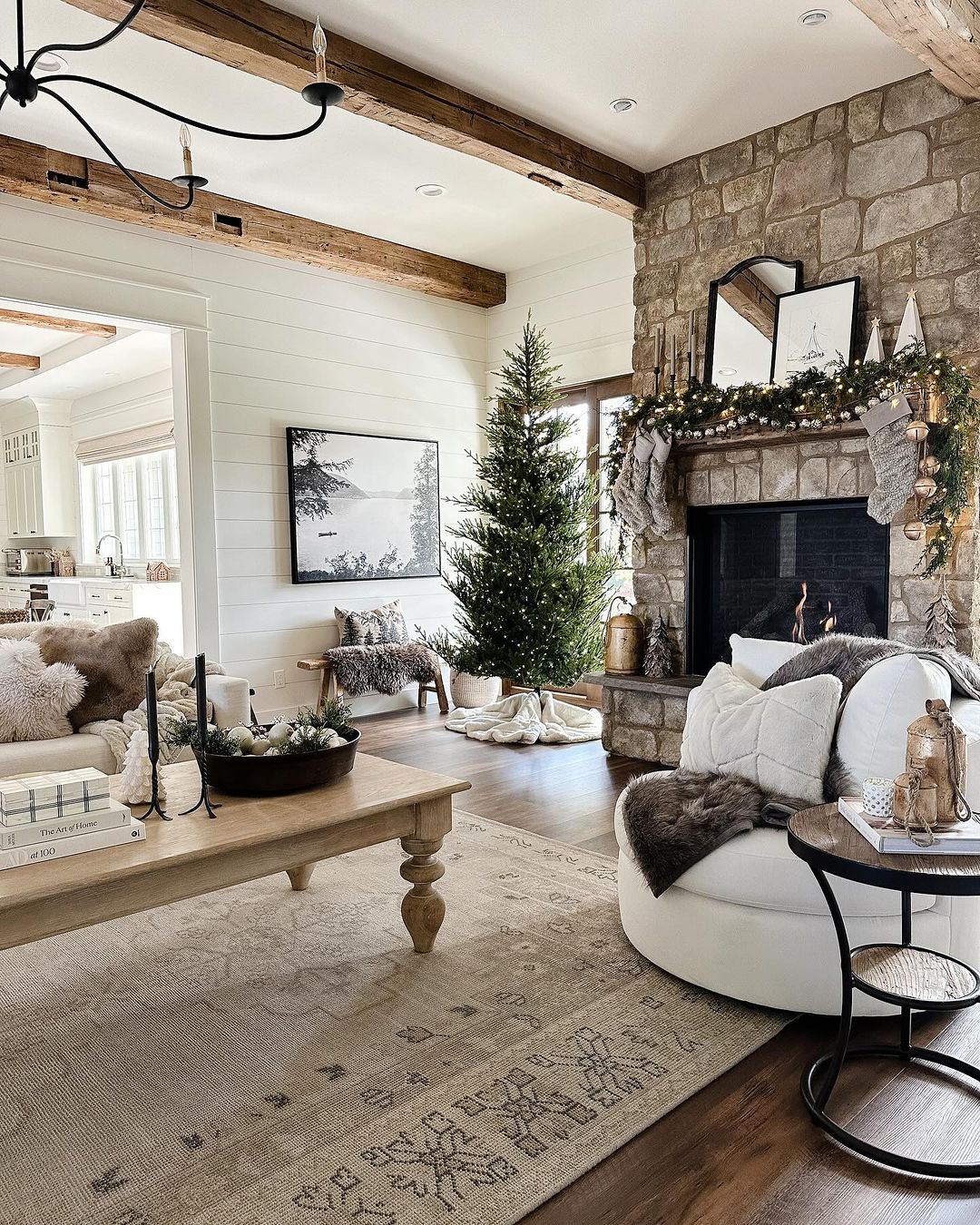
Rustic Charm: Think natural wood, burlap ribbons, pinecones, and earthy tones. Add string lights and greenery for a cozy cabin feel.

Classic Elegance: Incorporate deep reds, greens, and gold accents. Use ornate ornaments, velvet bows, and a traditional tree topper like a star or angel.

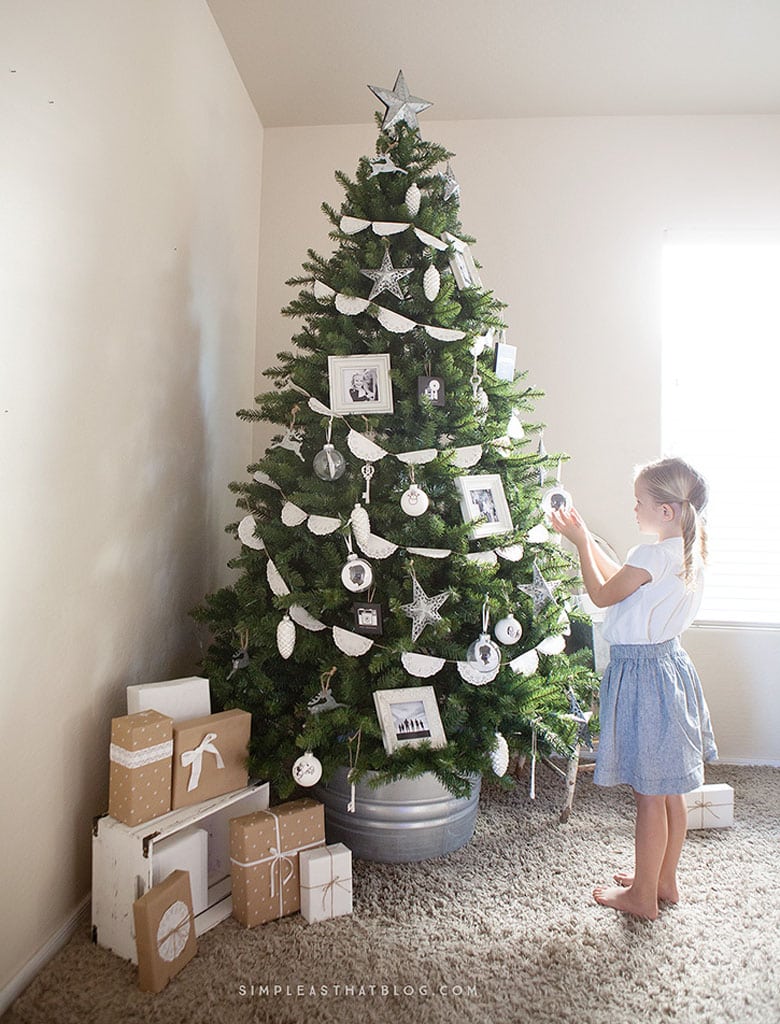
Winter Wonderland: Opt for white, silver, and icy blues. Use frosted greenery, sparkling ornaments, and faux snow to create a serene, snowy vibe.


2. Focus on the Tree

The Christmas tree is the centerpiece of holiday décor, so make it shine!

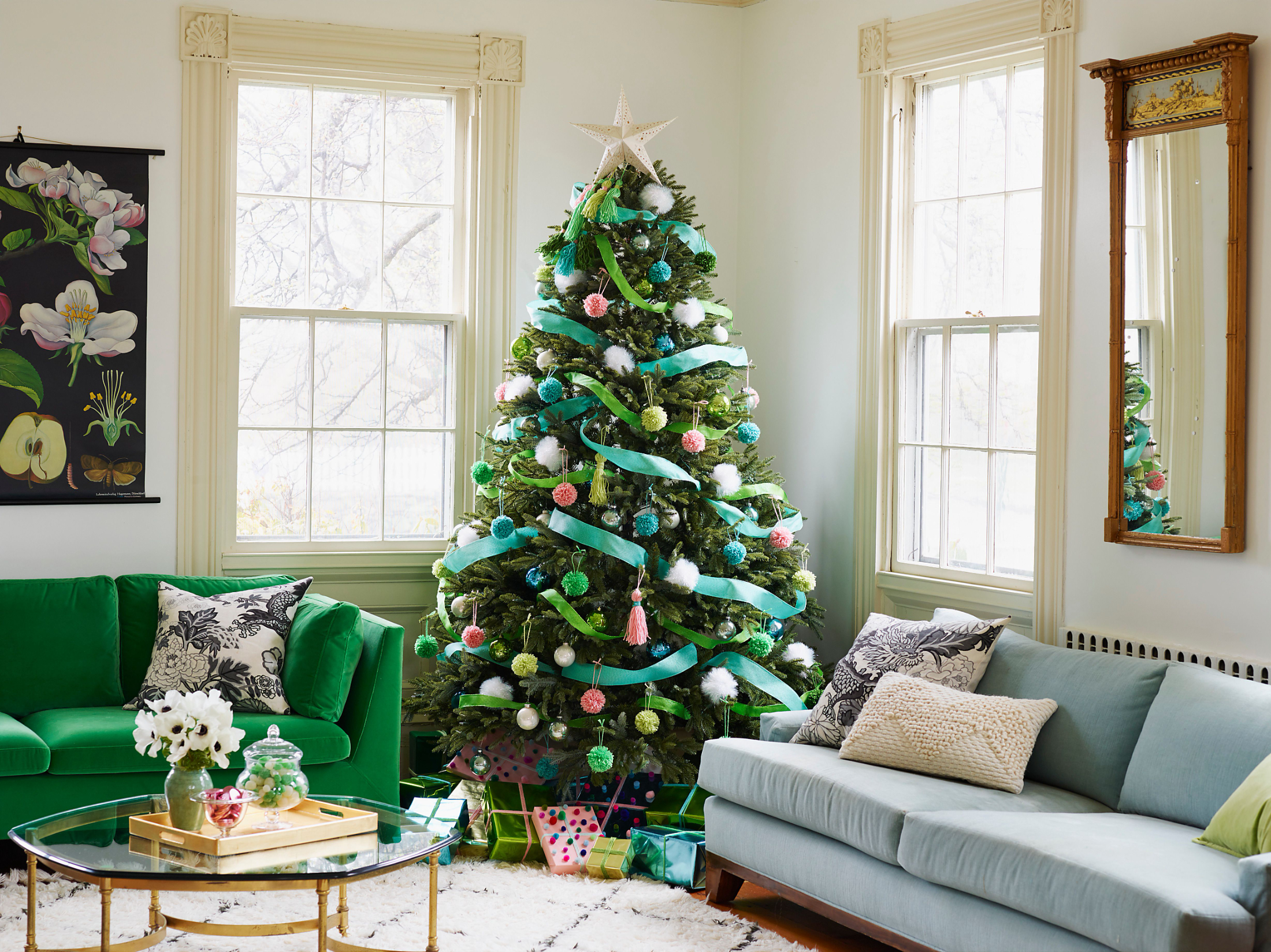
Layer Lights: Start with warm white lights for a soft glow and add a second layer of colorful lights for extra sparkle.

Personalized Ornaments: Showcase your family’s personality by adding keepsake ornaments, handmade crafts, or photos.

Ribbon Revolution: Instead of tinsel, drape wide ribbons in cascading or spiral patterns to elevate your tree’s look.


3. Add Festive Touches Around the House

Don’t limit the holiday magic to one room—spread it throughout your home!

Mantels and Shelves: Decorate with garlands, stockings, candles, and figurines. Incorporate fairy lights for a touch of sparkle.

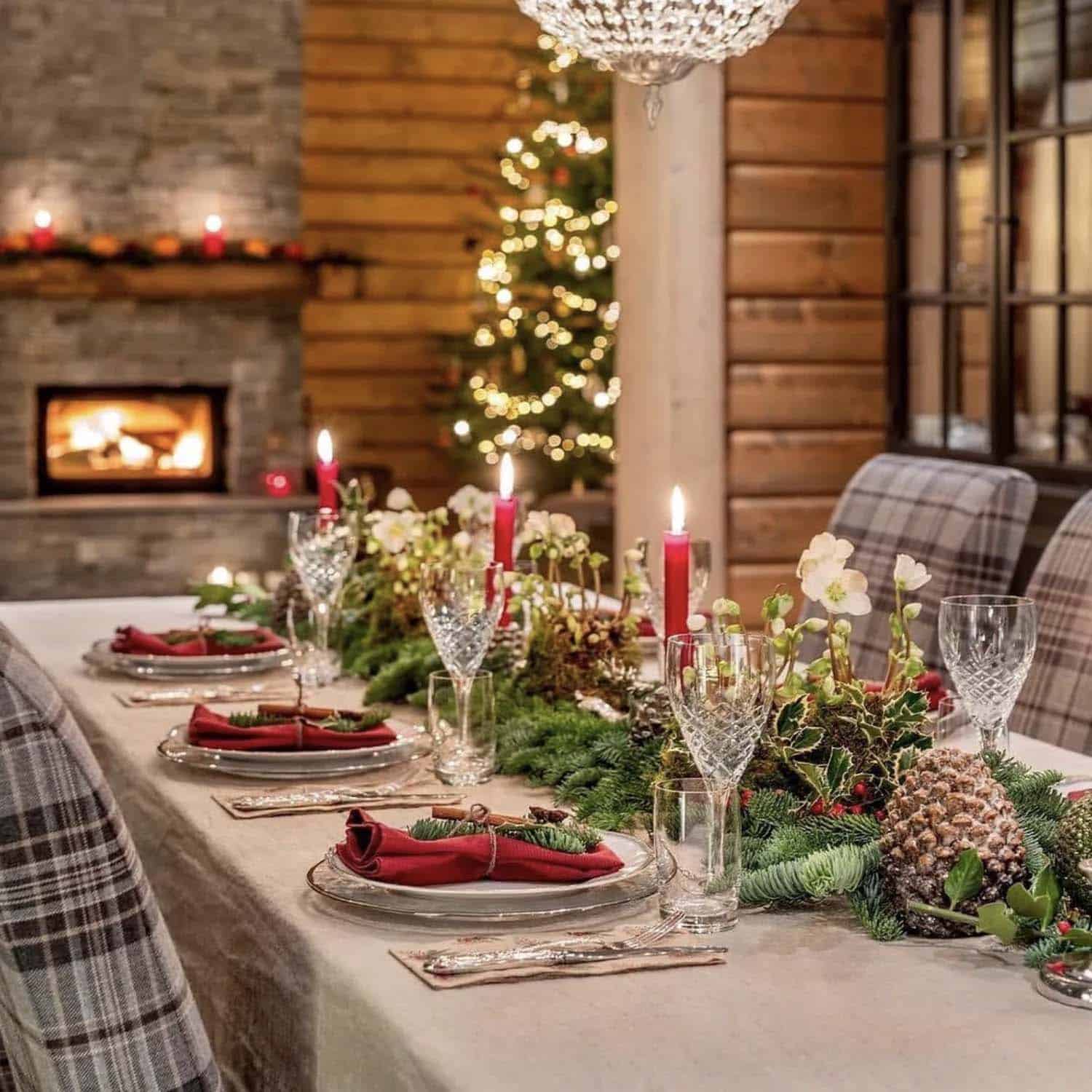
Dining Table: Use a festive table runner, seasonal centerpieces, and elegant dinnerware to create a warm and inviting tablescape.

Entryways: Welcome guests with a holiday wreath, lanterns, and a cozy doormat. For extra charm, line your stairs with garlands or twinkling lights.


4. Incorporate Natural Elements

Bring the outdoors in with nature-inspired decorations:

Arrange pinecones, eucalyptus, or holly berries in bowls or vases.

Use fresh or faux greenery for garlands, swags, and table runners.

Add dried orange slices or cinnamon sticks to wreaths or ornaments for a rustic and fragrant touch.


5. Embrace the Small Details

It’s the little things that make your home feel festive:

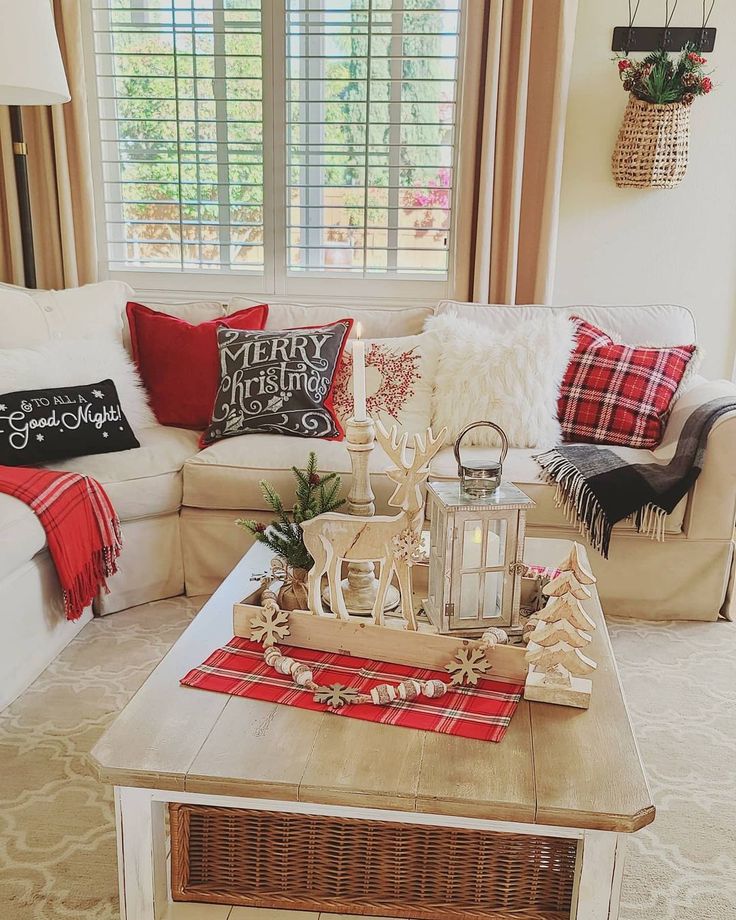
Swap Soft Furnishings: Switch out everyday pillows and throws for ones with holiday colors, patterns, or textures like faux fur.

Scents of the Season: Use candles, diffusers, or simmer pots with scents like cinnamon, pine, and vanilla to create a warm, holiday ambiance.

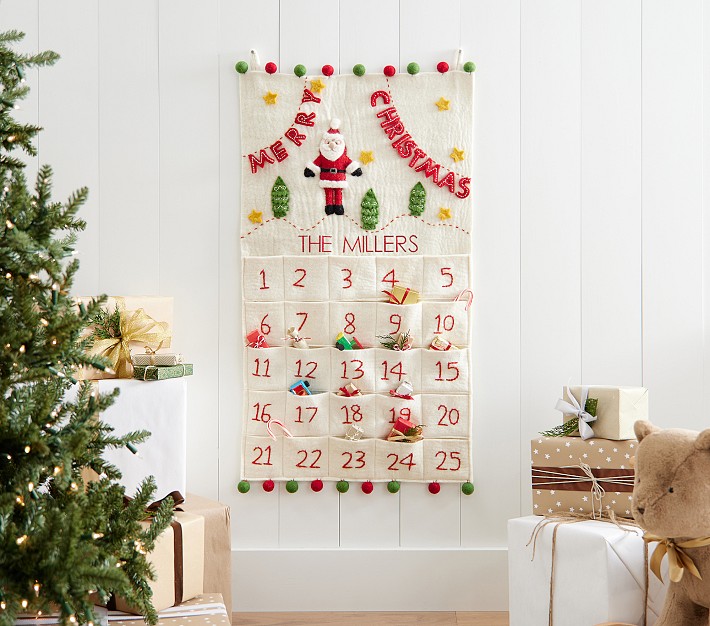
Advent Calendars: Choose a reusable advent calendar and fill it with treats or heartfelt notes for a daily dose of cheer.


6. Get the Family Involved

The holidays are about making memories, so involve the whole family in decorating. From hanging ornaments to creating DIY decorations, it’s a great way to spend quality time together and make your décor extra special.

7. Don’t Forget the Outdoors

Your home’s exterior sets the tone for holiday cheer:

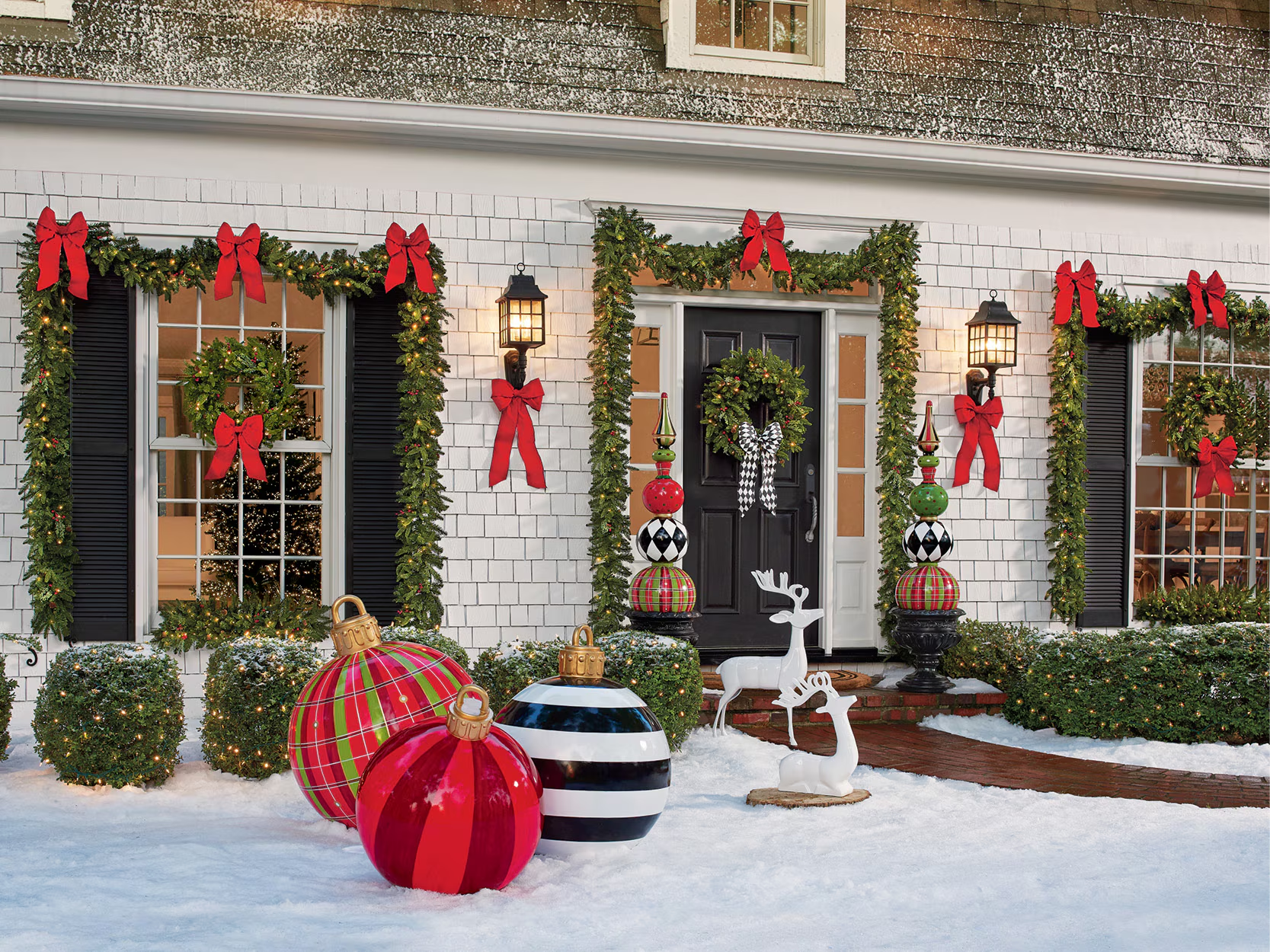
Lights Galore: Decorate trees, shrubs, and rooflines with twinkling lights.

Porch Displays: Arrange lanterns, wrapped faux presents, and a festive wreath on your front door.

Pathway Accents: Use luminaries, candy cane stakes, or potted mini evergreens to guide visitors to your door.


Create Your Holiday Magic

Decorating for Christmas is all about capturing the spirit of the season and making your home feel warm and welcoming. Whether you lean toward traditional décor or like to experiment with new trends, let your creativity shine. This year, make your holiday décor an expression of joy, love, and togetherness.
Happy decorating, and may your home be merry and bright!

Read

Embrace Cozy Elegance: Aesthetic Winter and Christmas Decor for Your Home

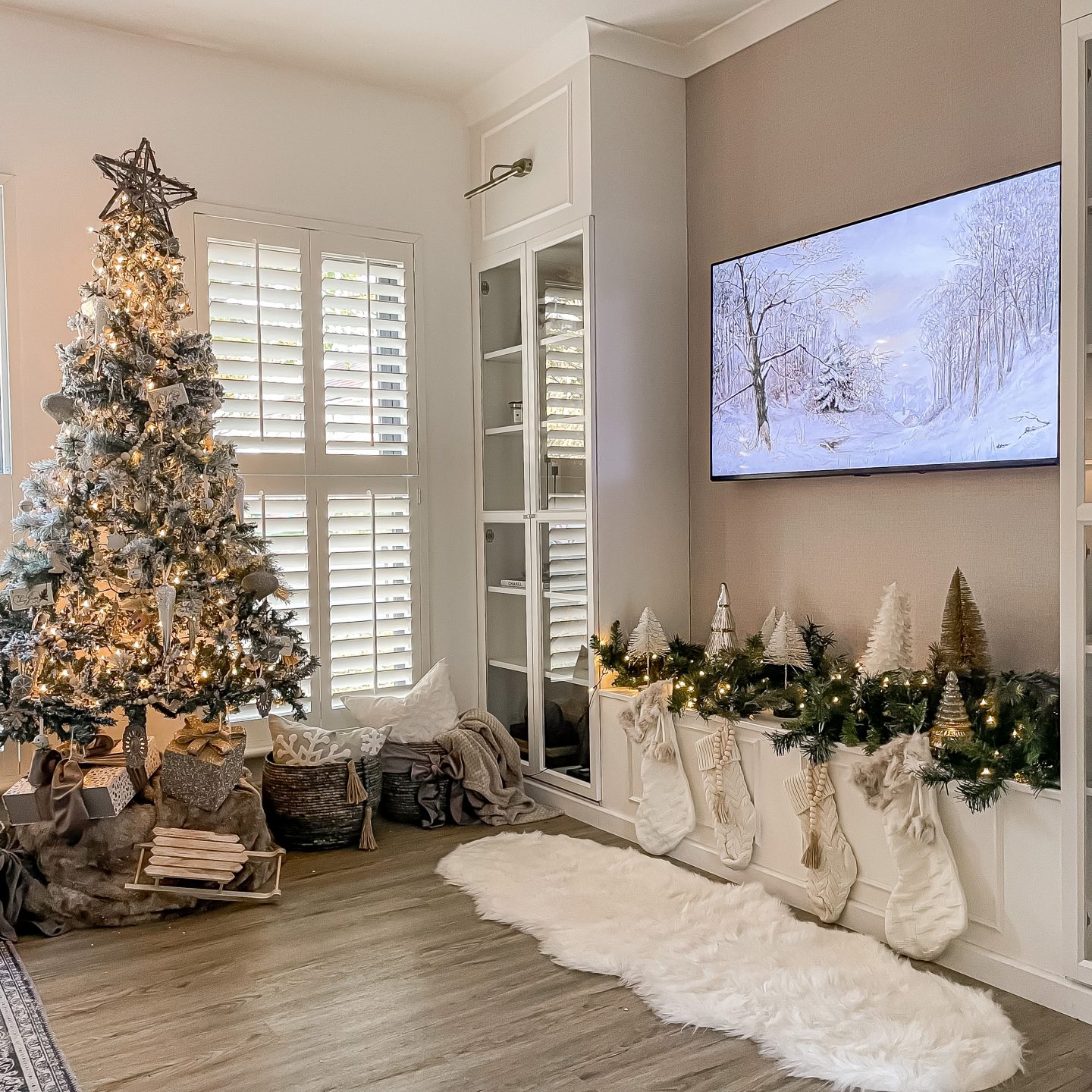
Winter is the perfect time to bring warmth, coziness, and festive charm into your home. But seasonal decor doesn’t have to mean overcrowded holiday displays or overwhelming amounts of red and green. Instead, many homeowners are leaning toward more aesthetic, understated winter decor that celebrates the season with elegance and subtlety. Here are some ideas for making your home feel magical this winter without sacrificing style or comfort.


Neutral Tones with Pops of Color

While reds, greens, and golds are traditional holiday favorites, a neutral palette with accent colors can add modern elegance. Start with a base of whites, creams, and grays for a soft and versatile look, then add rich hues like burgundy, forest green, or even navy blue. These colors can come through in pillows, blankets, or small decor items like candles and ornaments. This approach lets you switch out your color accents easily while keeping a calm, wintery ambiance.


Cozy Layers & Rich Textures

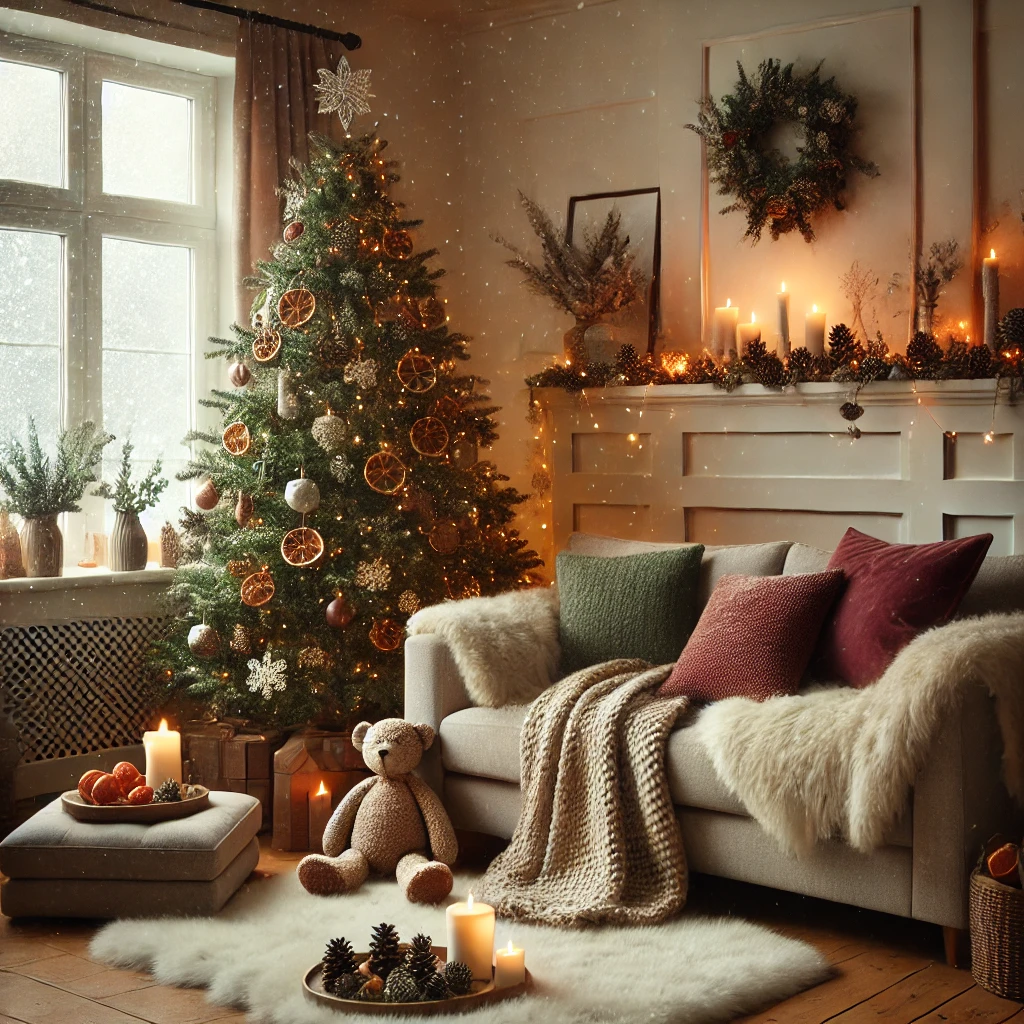
Winter decor is all about layering soft, cozy textures. Add plush blankets in chunky knits, velvet pillows, and faux fur throws in rich, earthy colors to warm up any space. A chunky-knit throw over a sofa or bed gives instant snugness, while a thick faux-fur rug can transform a room's vibe. Woven baskets filled with extra blankets also add to the aesthetic and provide a functional storage solution for chilly nights.

Fresh Greenery and Rustic Natural Elements

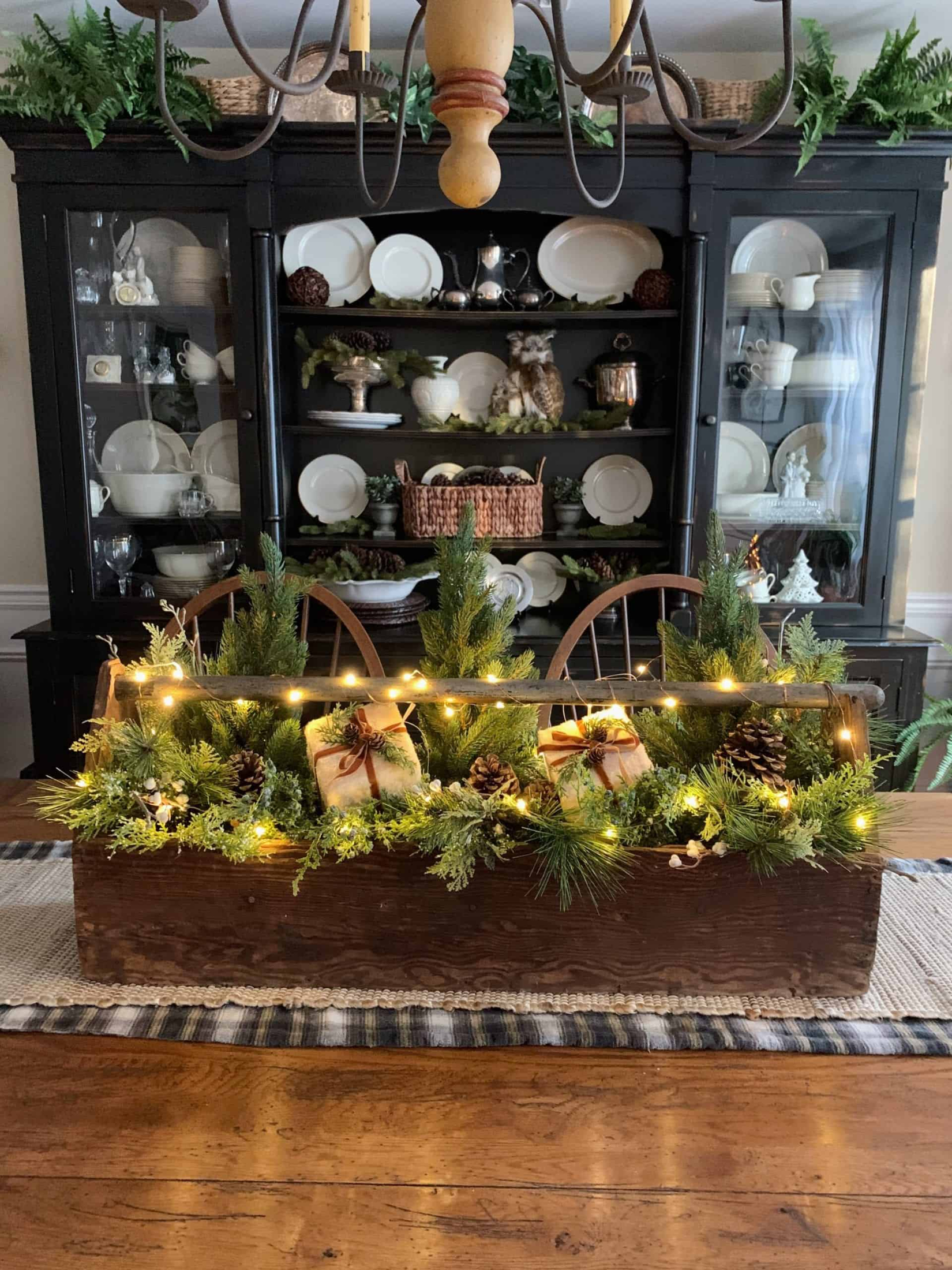
Bringing greenery indoors adds freshness and seasonal beauty to your decor. Consider pine, cedar, or eucalyptus garlands draped over mantels, tabletops, and staircases. You could also fill vases with sprigs of greenery and add pinecones, berries, or even dried citrus slices for a bit of rustic charm. For a unique touch, place mini pine trees in woven baskets or vintage containers around the room; these will look festive while keeping the decor grounded in nature.

Warm, Inviting Candlelight

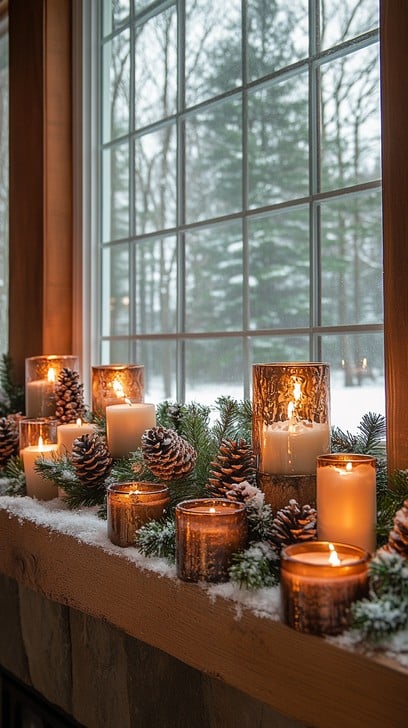
Candles are an easy way to add a soft, romantic glow to your winter decor. Arrange tall taper candles in decorative holders on your dining table, and place groups of tea lights or pillar candles along mantels and shelves for a twinkling effect. For a safer option, flameless candles create a similar glow without open flames. Choose seasonal scents like cinnamon, pine, or vanilla to fill the room with holiday spirit, or try a rustic lantern with a candle inside for a cozy cabin look.

Minimalist Christmas Tree with Thoughtful Ornaments

A minimalist Christmas tree decorated with carefully chosen ornaments brings elegance to any space. Opt for simple, neutral-colored ornaments and lights, letting the tree's natural beauty take center stage. Dried oranges, cinnamon sticks, and wooden ornaments add an organic, Scandinavian-inspired look. For those who prefer a pop of color, try a few metallic or matte finish ornaments in gold or silver to add a soft gleam without overwhelming the tree’s aesthetic.

Elegant & Layered Table Settings

Your dining table becomes the heart of the home during the holidays, so creating a wintery tablescape is a wonderful way to welcome guests. Start with a neutral or linen table runner, then layer with natural elements like evergreen sprigs, pinecones, or small candles in glass holders. Try ceramic plates with linen napkins for a refined look, and add metallic touches like gold flatware or brass candleholders to elevate the setting. A few fresh sprigs or berries on each plate can add the final festive touch.
Seasonal Wreaths Beyond the Front Door

Wreaths aren’t just for front doors! Hanging a wreath in unexpected places, such as above the fireplace, in the kitchen, or on bedroom doors, spreads holiday cheer throughout your home. Consider classic green wreaths with pine and cedar for a natural look, or minimalist designs with metal rings and a touch of eucalyptus for a chic, modern feel. Add a bow or a few berries for subtle color, and if you like, choose a wreath that incorporates dried elements to enjoy it for seasons to come.

Personal Touches for a Welcoming Atmosphere

Personalized holiday decor makes a house feel like home. Add warmth by including nostalgic or handmade items like ornaments, family photos, or vintage holiday cards in your decor. Display favorite holiday books, add a DIY garland with family, or create a small photo gallery of past Christmases. These personal touches bring fond memories into the holiday season and offer a sweet reminder of traditions and family moments.

Inviting Winter Scents

Winter scents can fill your home with a warm, festive ambiance. A simmer pot on the stove with ingredients like oranges, cinnamon sticks, cloves, and cranberries can spread delicious aromas throughout the house. Essential oil diffusers are another way to add a touch of holiday spirit. Try a mix of pine, cedarwood, and a hint of peppermint or vanilla to create a subtle seasonal fragrance. These little touches complete the wintery feel and add to the overall coziness.

Soft, Twinkling Lights in Unexpected Places

Holiday lights don’t have to be limited to the Christmas tree! Add twinkling string lights along mantels, stair railings, or even around window frames for a magical, warm glow. Fairy lights in jars or draped across shelves also add a cozy feel to your space. For a unique twist, try placing battery-operated fairy lights in glass domes or bell jars for a soft, modern look. They create a peaceful, sparkling effect that feels like bringing starlight indoors.

Creating Your Own Winter Wonderland

Decorating for winter and the holiday season is a joyful way to celebrate the season’s beauty and warmth. These aesthetic ideas, from subtle natural touches to glowing candles and cozy textures, can transform your home into a festive sanctuary. Whether you’re hosting guests or simply enjoying a peaceful winter evening, these decor ideas will help create an inviting, beautiful space filled with holiday cheer and timeless style.

Read

The Psychology of Color: Best Paint Choices for Selling Your Home

When preparing your home for sale, one of the simplest yet most impactful changes you can make is repainting. The colors you choose can significantly influence a buyer’s perception of your home, affecting how welcoming, spacious, and calming it feels. A well-selected paint palette can help sell your home faster and for a higher price. Here’s a guide to understanding the psychology behind color and specific paint shades to use that will appeal to a wide range of buyers.
Soft Neutrals for a Clean Slate

Neutral colors create a blank canvas, allowing potential buyers to visualize their belongings in the space. These colors also make rooms feel larger, cleaner, and more versatile.

  • Benjamin Moore – "Classic Gray" (OC-23): A light, warm gray with subtle beige undertones, this color feels cozy yet sophisticated. It’s perfect for living rooms and hallways where you want to make a space feel open and airy.

  • Sherwin-Williams – "Alabaster" (SW 7008): This soft white is calming and works well in any room, making spaces feel fresh and bright without feeling too stark.


Light Blues for a Calming Atmosphere

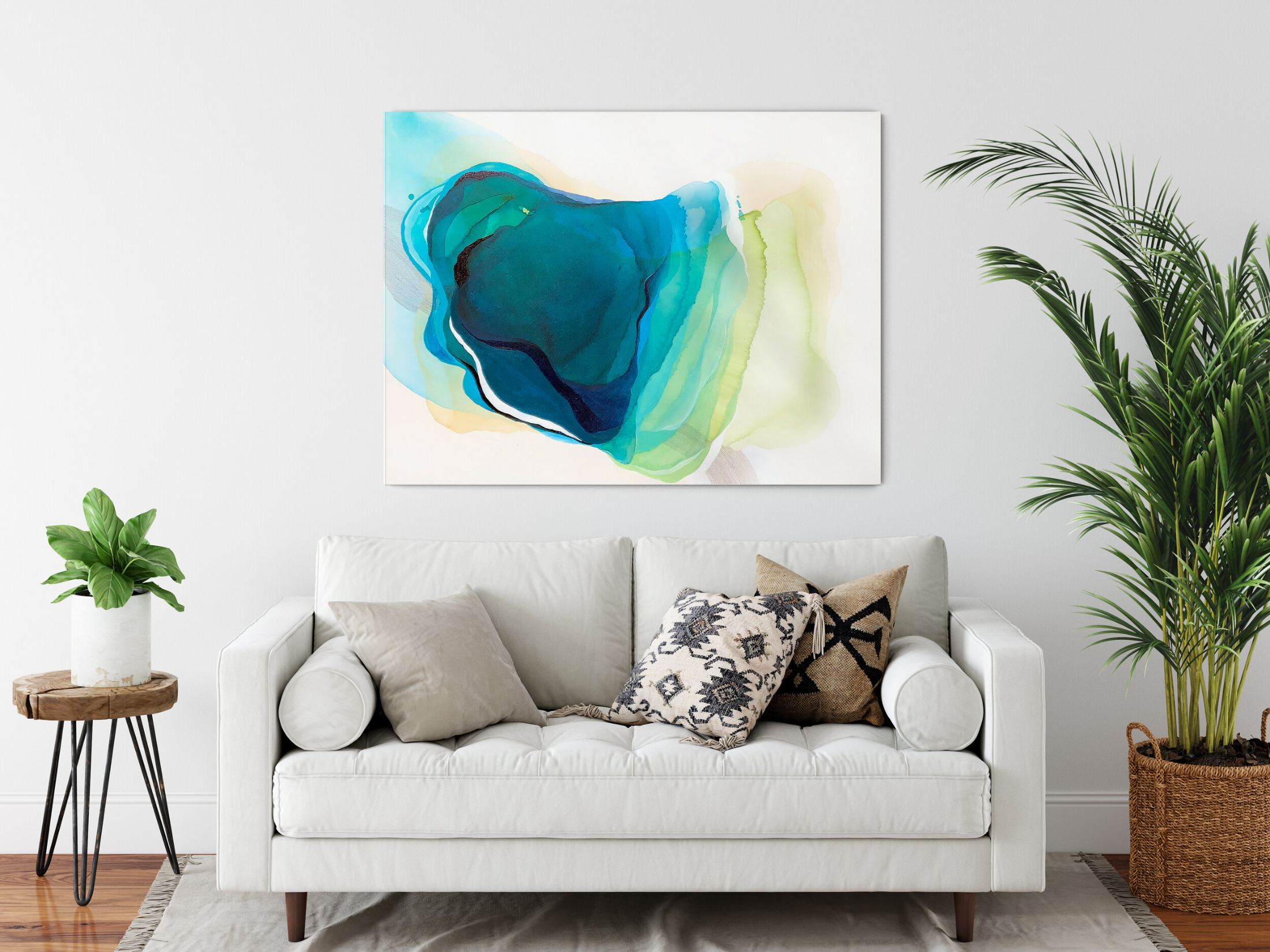
Blue tones evoke feelings of calm, serenity, and stability, which can make a house feel like a peaceful retreat. These shades are ideal for bedrooms and bathrooms, creating a spa-like feel.

  • Benjamin Moore – "Palladian Blue" (HC-144): A soft, airy blue with a touch of green, this color adds a coastal vibe to any room, perfect for bedrooms and bathrooms.

  • Sherwin-Williams – "Rainwashed" (SW 6211): A calming blend of blue and green, this shade works well in living rooms and bedrooms, giving the space a tranquil and inviting atmosphere.


Warm Beiges for Comfort and Warmth

Warm, earthy tones like beige can make a home feel more comfortable and welcoming. They work especially well in areas where people gather, such as kitchens, dining rooms, and family rooms.

  • Behr – "Bungalow Beige" (PPU7-10): This beige shade has soft undertones that exude warmth, making spaces feel intimate without being too dark or overwhelming.

  • Benjamin Moore – "Manchester Tan" (HC-81): This neutral color has a slight yellow undertone, adding warmth to living areas while maintaining a modern, clean look.


Sophisticated Grays for Modern Appeal

Gray is the go-to color for modern homes, offering versatility and elegance. It pairs well with almost any decor and creates a sophisticated backdrop, particularly in living areas or kitchens.

  • Sherwin-Williams – "Repose Gray" (SW 7015): A light, cool gray with just enough warmth to prevent it from feeling too cold, perfect for kitchens or living rooms where you want a fresh yet neutral vibe.

  • Benjamin Moore – "Stonington Gray" (HC-170): This true gray is sophisticated and crisp, making it a great choice for more contemporary spaces like dining rooms or home offices.


Earthy Greens for Balance and Tranquility

Green is associated with nature, growth, and balance, making it a soothing and grounding color. Use it in spaces where you want to evoke relaxation and renewal, such as bedrooms, sunrooms, or even entryways.

  • Farrow & Ball – "Pigeon" (No. 25): A soft, muted green-gray that adds a vintage or cottage feel, it’s perfect for kitchens or as an accent wall in living areas.

  • Behr – "Back to Nature" (S340-4): A refreshing and subtle green that works well in bedrooms or bathrooms, bringing a touch of the outdoors inside.


Classic Whites for a Timeless Look

White is always a safe bet when selling a home. It creates a sense of cleanliness, space, and simplicity. It also reflects light, making rooms appear larger and brighter, which can appeal to nearly all buyers.

  • Benjamin Moore – "Simply White" (OC-117): A versatile and soft white with slight warmth, perfect for trim, ceilings, or entire rooms to create a timeless, clean look.

  • Sherwin-Williams – "Extra White" (SW 7006): This cool, crisp white works wonders in modern homes, giving any room a sleek and polished finish.


Accent Colors for Personality

While keeping most walls neutral is a good strategy when selling, incorporating a few accent walls can add personality without overwhelming potential buyers. Deep tones like navy, charcoal, or forest green can provide depth and sophistication in home offices or dining rooms.

  • Benjamin Moore – "Hale Navy" (HC-154): This deep, rich navy makes a striking accent wall in a dining room or home office, adding a touch of drama while still feeling classic.

  • Sherwin-Williams – "Iron Ore" (SW 7069): A bold, charcoal gray, ideal for adding a modern touch to a feature wall in living rooms or bedrooms.


Conclusion

Choosing the right paint colors is essential when preparing your home for sale. Neutral shades like soft grays, beiges, and whites help potential buyers imagine themselves in the space, while subtle pops of color can add warmth and character. These strategic color choices can make your home feel more appealing, help it stand out in the market, and potentially even increase its value.

If you're considering selling your home, consult your real estate agent for advice on which colors will work best in your space. A little paint can go a long way in creating the perfect atmosphere for potential buyers!

Read

Preparing Your Home for the Fall Market: Top Tips to Sell Faster and for More

As summer winds down and fall approaches, the real estate market begins to shift. August is the perfect time to start preparing your home for the busy fall selling season. In this blog, we’ll explore how you can make your property stand out and attract motivated buyers as the leaves start to turn.

1. Embrace Curb Appeal with Seasonal Touches

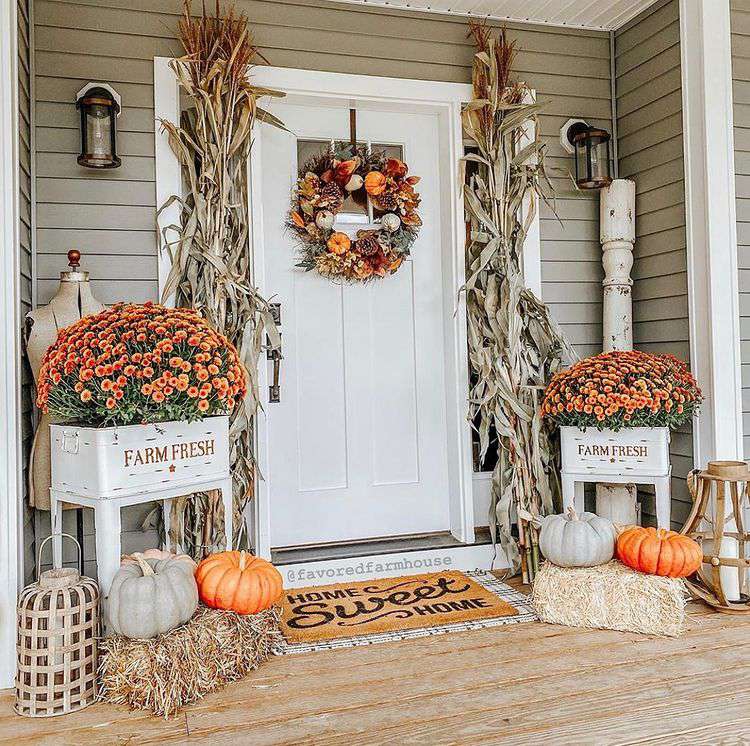
First impressions are crucial, especially as the weather cools. Spruce up your landscaping by keeping the lawn well-maintained and adding seasonal flowers like mums and ornamental grasses. Consider updating your front door with a fresh coat of paint in warm, inviting colors. Don’t forget to clean gutters and walkways, as well as adding a few fall decorations, like a tasteful wreath or a few pumpkins.

2. Highlight Energy Efficiency

As the weather gets cooler, buyers will be thinking about heating costs. Highlight your home's energy-efficient features, such as new windows, a well-insulated attic, or a programmable thermostat. If you don’t have these features, consider investing in small upgrades like sealing drafts or installing energy-efficient light bulbs to make your home more appealing.

3. Stage with Cozy, Warm Interiors

Fall brings a desire for warmth and comfort. Stage your home with cozy touches like soft throws, warm lighting, and autumn-themed decor. Set up your living room to showcase how perfect it is for cozying up with a good book or enjoying a family gathering. In the kitchen, consider placing a bowl of seasonal fruits or baking a fresh batch of cookies before showings to create an inviting atmosphere.

4. Optimize Natural Light

As days get shorter, it’s essential to maximize the natural light in your home. Clean windows inside and out, open curtains or blinds, and add mirrors to reflect light into darker areas. For late afternoon showings, ensure that your lighting is warm and inviting, rather than harsh or overly bright.

5. Price Strategically for the Fall Market and Market Aggressively Before the Holidays

The fall market can be competitive, so pricing your home correctly from the start is key. Research recent sales in your area and consider the advice of a local real estate agent who understands the nuances of the fall market. A well-priced home is more likely to attract serious buyers and sell quickly, even as the market begins to slow down from the summer peak. August and September are prime months to list your home before the holiday season distracts buyers. Use targeted online marketing, host open houses, and ensure your home is listed on all major real estate platforms. The more exposure your home gets early in the fall, the better your chances of securing a strong offer.


Conclusion

August is the time to get ahead of the curve and prepare your home for the fall real estate market. By focusing on curb appeal, energy efficiency, and creating a warm, inviting atmosphere, you can make your home stand out and attract serious buyers. With the right preparation and strategic pricing, you’ll be well on your way to a successful sale this fall.

Read

Celebrity Homes: What You Can Learn from the Stars

Celebrity homes have long been a source of inspiration for homeowners and interior designers alike. These luxurious properties often feature the latest design trends, unique architectural details, and one-of-a-kind spaces that reflect the personality and lifestyle of their famous owners. While many of these homes are extravagant, there are plenty of ideas that can be adapted to fit more modest spaces and budgets. Let’s take a look at some of the standout features from celebrity homes and explore how you can bring a touch of star quality to your own space.


1. Open-Concept Living Spaces

Celebrity Inspiration:
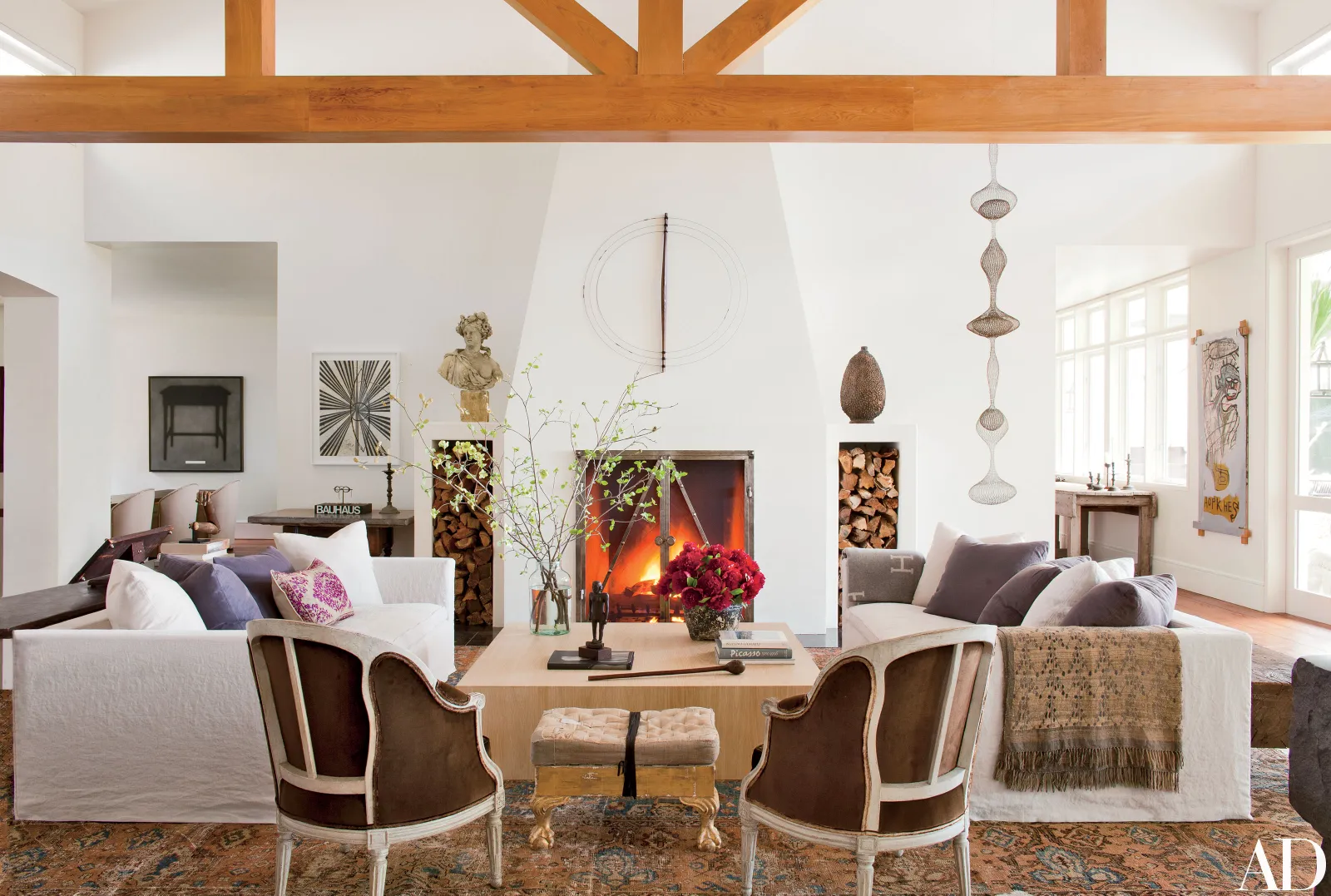
Many celebrity homes feature expansive, open-concept living areas that create a sense of flow and connection between different spaces. For example, Ellen DeGeneres and Portia de Rossi’s Beverly Hills home is known for its open floor plan, which seamlessly connects the living room, dining area, and kitchen, creating an inviting space for entertaining.

What You Can Learn:

  • Maximize Space: If your home feels cramped or closed off, consider removing non-structural walls to create an open floor plan. This not only makes the space feel larger but also enhances natural light flow.

  • Cohesive Design: Use a consistent color palette and complementary materials throughout your open-concept space to create a cohesive look. For example, matching flooring and using similar furniture styles can help unify the area.

  • Multi-Functional Areas: In smaller homes, an open-concept layout allows you to create multi-functional spaces. A kitchen island might double as a dining table or workspace, maximizing the utility of each square foot.

2. Luxurious Master Suites

Celebrity Inspiration:
Celebrities like Kim Kardashian and Kanye West are known for their sprawling master suites that go beyond just a bedroom. These spaces often include walk-in closets, spa-like bathrooms, and even private sitting areas, offering a true retreat within the home.

What You Can Learn:

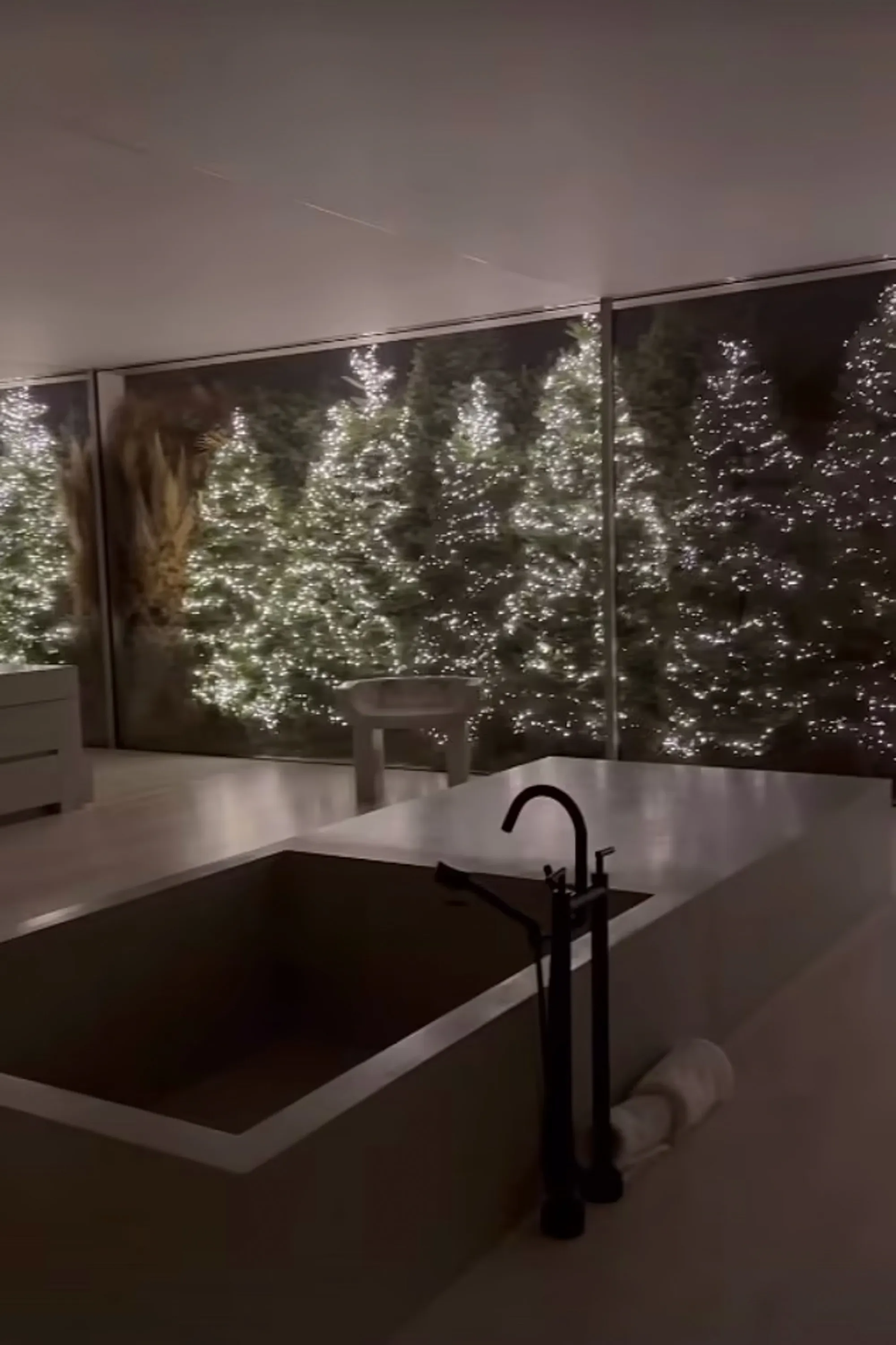
  • Spa-Like Bathrooms: Transform your master bathroom into a sanctuary by adding luxury features like a rainfall shower, a freestanding tub, heated floors, or even a steam room. Soft lighting and natural materials like stone or wood can enhance the serene atmosphere.

  • Walk-In Closets: A well-organized walk-in closet can make a huge difference in your daily routine. Consider custom cabinetry, ample lighting, and clever storage solutions like pull-out shelves or built-in shoe racks to create a functional and stylish dressing area.

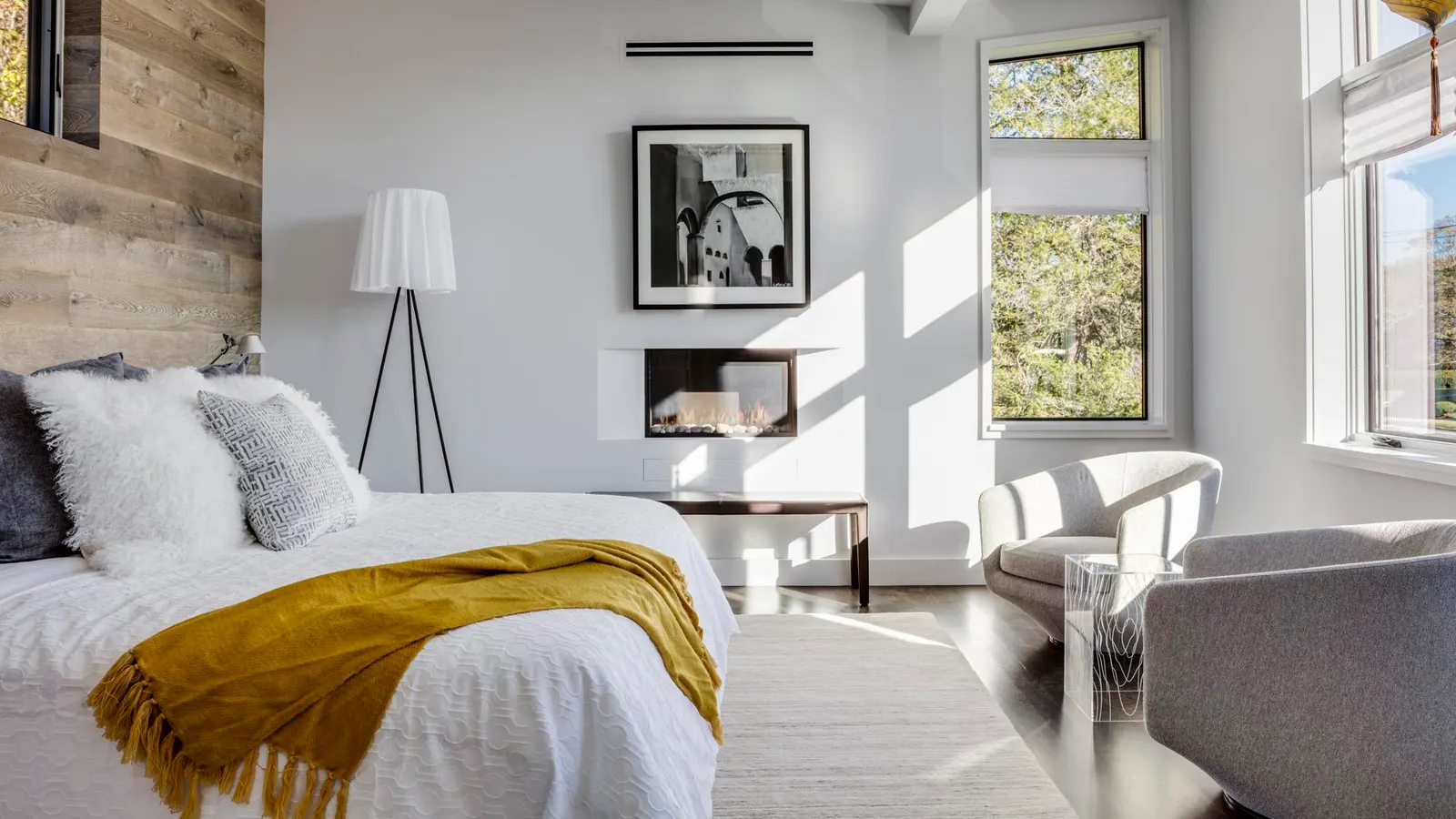
  • Private Sitting Areas: If you have the space, consider adding a cozy seating area to your bedroom, complete with plush chairs, a small table, and perhaps a bookshelf. This can serve as a quiet spot for reading or relaxation, separate from the main living areas.

3. Indoor-Outdoor Living

Celebrity Inspiration:
Stars like Jennifer Aniston and George Clooney are known for their homes that blur the lines between indoor and outdoor living. These properties often feature expansive patios, outdoor kitchens, and seamless transitions from interior spaces to lush gardens or pool areas.

What You Can Learn:

  • Retractable Glass Walls: Installing retractable glass doors or large windows can connect your indoor spaces with your outdoor areas, making your home feel larger and more integrated with nature.

  • Outdoor Living Rooms: Create an outdoor living room with comfortable seating, weather-resistant fabrics, and a focal point like a fireplace or water feature. Adding outdoor rugs and throw pillows can make the space feel just as cozy as your indoor living room.

  • Functional Outdoor Kitchens: If you love to entertain, consider adding an outdoor kitchen complete with a grill, sink, and storage. For a touch of luxury, include features like a pizza oven or a built-in bar.

4. Statement Lighting

Celebrity Inspiration:
Lighting is often a focal point in celebrity homes, with stars like Beyoncé and Jay-Z opting for dramatic chandeliers or artistic light fixtures that serve as both functional and decorative elements. Lighting not only enhances the ambiance of a space but also adds to the overall aesthetic.

What You Can Learn:

  • Chandeliers and Pendants: Even if your home isn’t a Hollywood mansion, a statement chandelier or pendant light can add a touch of glamour to your space. Consider placing it over a dining table, in the entryway, or in the bedroom for maximum impact.

  • Layered Lighting: Use a combination of ambient, task, and accent lighting to create a well-lit and inviting atmosphere. For example, pair a chandelier with wall sconces and table lamps to provide both general lighting and focused illumination where needed.

  • Artistic Fixtures: Look for lighting fixtures that double as pieces of art. Sculptural designs or lights made from unique materials like blown glass or recycled metal can add personality and a touch of celebrity-inspired style to your home.

5. Customized Home Theaters

Celebrity Inspiration:
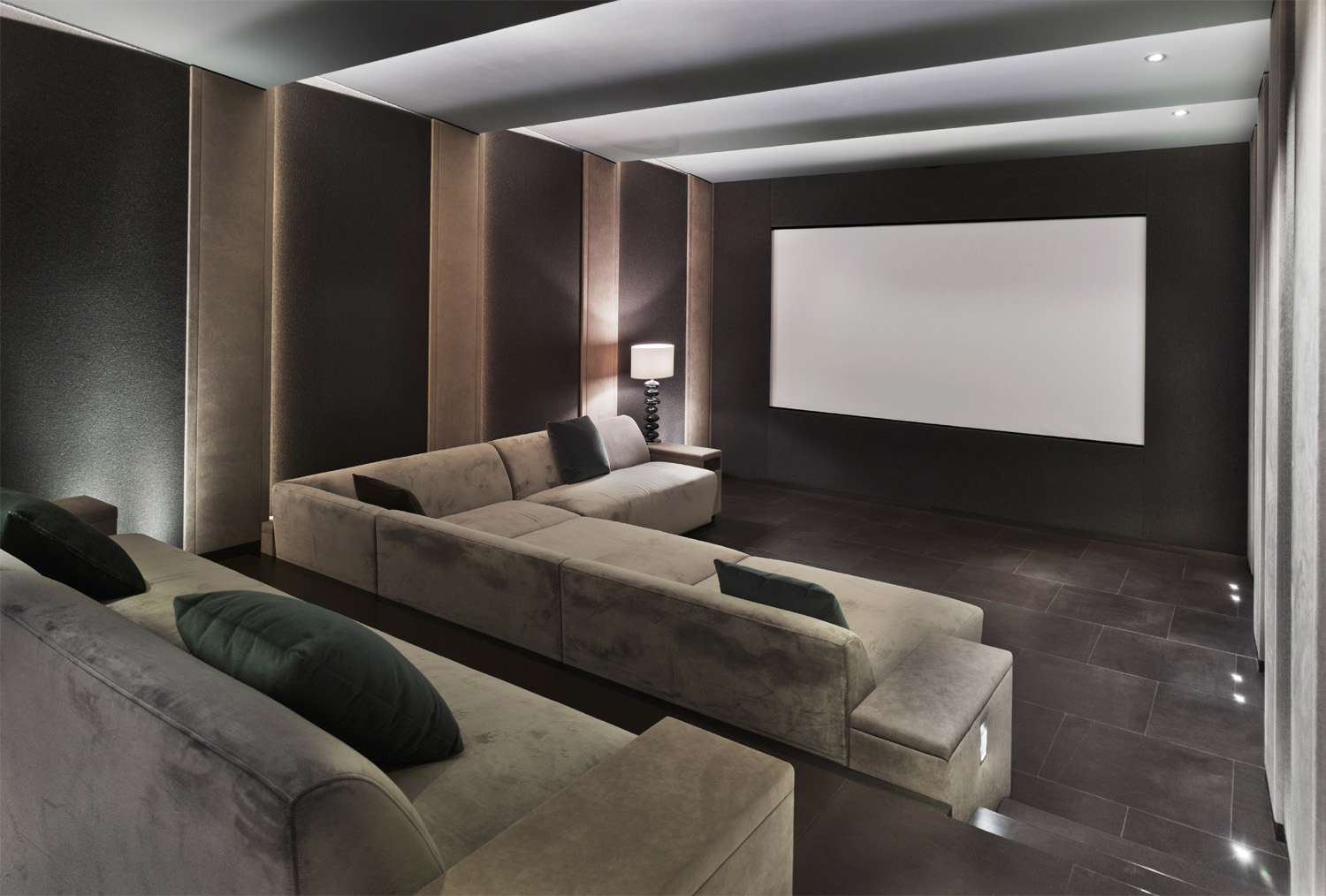
Many celebrities, like Steven Spielberg and Oprah Winfrey, have custom-designed home theaters that offer an immersive viewing experience. These spaces are often outfitted with plush seating, state-of-the-art sound systems, and large screens, making them perfect for movie nights or binge-watching sessions.

What You Can Learn:

  • Comfortable Seating: Invest in comfortable seating, such as reclining chairs or a sectional sofa with plenty of pillows and blankets. If space allows, consider tiered seating to ensure everyone has a good view of the screen.

  • Acoustic Treatments: To achieve that cinema-quality sound, add acoustic panels or soundproofing materials to your home theater. This not only improves sound quality but also prevents noise from disturbing the rest of the house.

  • Themed Decor: Give your home theater a personalized touch with themed decor. Whether it’s classic Hollywood, sci-fi, or a favorite film franchise, incorporating elements like posters, lighting, and accessories can enhance the movie-going experience.

6. Eco-Friendly Features

Celebrity Inspiration:
Leonardo DiCaprio is one of the most well-known advocates for eco-friendly living, and his homes reflect that commitment. From solar panels to recycled materials, celebrities are increasingly incorporating sustainability into their home designs.

What You Can Learn:

  • Solar Power: Consider installing solar panels to reduce your home’s carbon footprint and energy bills. Many local governments offer incentives for homeowners who go solar, making it a more affordable option.

  • Sustainable Materials: When renovating or redecorating, choose eco-friendly materials like reclaimed wood, bamboo, or recycled glass. These materials are not only better for the environment but also add unique textures and stories to your home.

  • Green Roofs and Gardens: If you have a flat roof or a small outdoor space, consider installing a green roof or a vertical garden. These features improve insulation, reduce runoff, and provide a natural, calming element to your home.

7. Personal Wellness Spaces

Celebrity Inspiration:
With a focus on health and wellness, celebrities like Gwyneth Paltrow and Mark Wahlberg have dedicated spaces in their homes for fitness, meditation, and relaxation. These wellness-focused areas help them maintain their routines and offer a retreat from their busy lives.

What You Can Learn:

  • Home Gyms: Create a home gym with essential equipment like free weights, a yoga mat, and a cardio machine. Add mirrors to check your form and enhance the feeling of space.

  • Meditation Rooms: Dedicate a small room or corner of your home to meditation or mindfulness. Keep the space simple with minimal decor, natural light, and comfortable seating to foster relaxation.

  • Spa-Like Bathrooms: Transform your bathroom into a spa-like retreat with features such as a soaking tub, aromatherapy diffusers, and soft, fluffy towels. Incorporating natural elements like wood and stone can enhance the serene atmosphere.


Bringing Celebrity Style into Your Home

While celebrity homes often feature extravagant elements that may be out of reach for most of us, they also provide valuable inspiration for creating a stylish and functional space. By adapting these ideas to fit your own budget and lifestyle, you can infuse your home with a touch of star quality. Whether it’s an open-concept living space, a luxurious master suite, or an eco-friendly feature, the key is to find what resonates with you and make it your own.

Read

Navigating the First-Time Homebuyer Experience

Buying your first home is an exciting and often overwhelming experience. It involves multiple steps, from understanding your finances to finding the right property and navigating the closing process. This guide will break down each phase of the homebuying journey, offering tips and insights to help first-time buyers make informed decisions and achieve their dream of homeownership.


1. Assess Your Financial Readiness

a. Evaluate Your Savings:

  • Down Payment: In Canada, most lenders require a minimum down payment of 5% for homes priced under $500,000. For homes priced between $500,000 and $999,999, the minimum down payment is 5% on the first $500,000 and 10% on the portion above $500,000. For homes priced at $1 million or more, a 20% down payment is required. Saving for a substantial down payment can reduce your mortgage and monthly payments.

  • Closing Costs: Budget for 1.5% to 4% of the purchase price for closing costs, which include land transfer taxes, legal fees, home inspection fees, and title insurance. In some provinces, first-time homebuyers may be eligible for rebates on land transfer taxes.

  • Emergency Fund: Maintain an emergency fund to cover unexpected expenses like repairs, job loss, or medical emergencies. Ideally, this fund should cover three to six months of living expenses.

b. Check Your Credit Score:

A higher credit score can qualify you for better mortgage rates. Obtain a free credit report from agencies like Equifax and TransUnion. Correct any errors and work on improving your score by paying down debt and making timely payments. Aim for a score of at least 680 for conventional loans, though higher scores will yield better terms.

c. Determine Your Budget:

Use an online mortgage calculator to estimate how much you can afford based on your income, debt, and savings. Aim for a monthly mortgage payment (including property taxes and insurance) that doesn't exceed 32% of your gross monthly income. Factor in additional costs like utilities, maintenance, and condominium fees if applicable.


2. Get Pre-Approved for a Mortgage

a. Choose the Right Lender:

  • Research and compare lenders, including banks, credit unions, and mortgage brokers. Look for competitive rates, fees, and customer service reviews. Consider getting quotes from at least three lenders to find the best deal.

b. Gather Documentation:

  • Lenders will require proof of income (pay stubs, T4 slips, tax returns), employment verification, bank statements, and identification. Having these documents ready can streamline the pre-approval process. Organize your paperwork in advance to avoid delays.

c. Understand Loan Options:

  • Fixed-Rate vs. Variable-Rate Mortgages: Fixed-rate loans offer stable payments, while variable-rate mortgages (VRMs) have rates that can change over time. Fixed-rate mortgages are generally safer for first-time buyers due to their predictability.

  • CMHC-Insured Loans: If your down payment is less than 20%, you will need mortgage default insurance through the Canada Mortgage and Housing Corporation (CMHC) or a private insurer. This insurance protects the lender in case of default but adds to your monthly payments.


3. Find a Real Estate Agent

a. Seek Recommendations:

  • Ask friends, family, and colleagues for agent referrals. Look for agents with experience in your desired area and positive client reviews. A good agent will have local market knowledge and a proven track record.

b. Interview Multiple Agents:

  • Meet with several agents to discuss your needs, their experience, and their approach to helping buyers. Choose someone you feel comfortable with and who understands your goals. Don’t hesitate to ask for references.

c. Understand the Agent's Role:

  • A buyer's agent will help you find properties, negotiate offers, and navigate the closing process. Their commission is typically paid by the seller, so their services are free for buyers. Ensure your agent is committed to representing your best interests.


4. Start House Hunting

a. Define Your Must-Haves:

  • Make a list of essential features, such as the number of bedrooms, bathrooms, location, and amenities. Be prepared to compromise on some items. Prioritize your needs versus wants to stay focused.

b. Research Neighborhoods:

  • Visit potential neighborhoods at different times of day to assess noise levels, traffic, and community vibe. Consider factors like school districts, proximity to work, and local amenities. Use online resources and talk to locals for insider insights.

c. Attend Open Houses:

  • Open houses provide an opportunity to see properties in person, ask questions, and get a feel for the market. Take notes and photos to remember key details. Use these visits to narrow down your choices.


5. Make an Offer

a. Understand Market Conditions:

  • In a seller's market, you may need to act quickly and offer above asking price. In a buyer's market, you have more room for negotiation. Your agent can provide market analysis to guide your offer.

b. Draft a Strong Offer:

  • Your agent will help you craft an offer letter that includes the price, contingencies (such as inspection and financing), and a closing date. Be prepared for counteroffers and negotiations. A personal letter to the seller can sometimes make a difference.

c. Include an Earnest Money Deposit:

  • This deposit (typically 1% to 3% of the purchase price) shows the seller you're serious. It will be applied to your down payment or closing costs if the deal goes through. Ensure the deposit is held in an escrow account for security.


6. Navigate the Closing Process

a. Conduct a Home Inspection:

  • Hire a professional inspector to evaluate the property's condition. Use the inspection report to negotiate repairs or price adjustments with the seller. This step is crucial to avoid costly surprises later.

b. Finalize Your Loan:

  • Submit all required documents to your lender and lock in your interest rate. Review the loan estimate and closing disclosure for accuracy. Communicate promptly with your lender to keep the process on track.

c. Attend the Closing:

  • At the closing meeting, you'll sign the final paperwork, pay closing costs, and receive the keys to your new home. Review all documents carefully and ask questions if needed. Make sure to understand all terms before signing.

Navigating the first-time homebuyer experience can be complex, but with careful planning and the right resources, you can make informed decisions and enjoy a smooth journey to homeownership. Remember to take your time, ask questions, and rely on professionals to guide you through the process.

Happy house hunting!

Read

The Best Interior Designs Of 2024

As we move through 2024, several exciting interior design trends are taking center stage, bringing a fresh, innovative approach to home decor. Here are some of the best interior design trends to watch this year:

1. Sustainable and Eco-Friendly Materials

Sustainability continues to be a major focus in interior design. Homeowners are increasingly opting for eco-friendly materials like reclaimed wood, recycled metal, and natural fibers. Furniture made from sustainably sourced wood and decor items crafted from recycled materials not only look great but also reduce environmental impact.


2. Biophilic Design

Biophilic design, which seeks to connect occupants more closely with nature, is gaining popularity. This trend involves incorporating natural elements into the home, such as large indoor plants, green walls, and natural light. The use of organic shapes and materials like stone, wood, and rattan also contributes to a calming, nature-inspired aesthetic.


3. Earthy Tones and Warm Neutrals

Color palettes in 2024 are leaning towards earthy tones and warm neutrals. Shades like terracotta, olive green, rust, and beige are being used to create cozy, inviting spaces. These colors bring a sense of warmth and grounding, making homes feel more connected to the natural world.


4. Bold, Artistic Statements

While neutrals are trending, there's also a move towards bold, artistic statements within the home. This includes the use of striking wallpapers, large-scale murals, and vibrant, abstract art pieces. These elements serve as focal points, adding personality and a sense of individuality to the space.


5. Vintage and Retro Influences

Vintage and retro influences are making a comeback in 2024. Mid-century modern furniture, retro color schemes, and vintage decor pieces are being used to add character and charm. Mixing old and new elements creates a timeless look that feels both nostalgic and contemporary.


6. Tech-Integrated Homes

Smart home technology is seamlessly integrating into interior design. Voice-controlled lighting, smart thermostats, and automated window treatments are not only functional but also aesthetically pleasing. These tech solutions are designed to blend into the decor, enhancing convenience without sacrificing style.


These trends reflect a desire for homes that are not only beautiful but also functional, sustainable, and deeply connected to the natural world. Whether you're planning a complete redesign or just looking to refresh your space, incorporating these trends can help you create a stylish and up-to-date home in 2024.

Read

Getting Pre-Approved For Your Mortgage

1. Check Your Credit Score:

Before applying, check your credit score to ensure it's in good shape. A higher credit score can help you secure a better interest rate.


2. Gather Financial Documents

Lenders will require various documents, including:

Proof of income (pay stubs, tax returns, and employment letters)

Bank statements

Proof of assets (investments, savings)

Personal identification (driver’s license, passport)


3. Calculate Your Budget

Determine how much you can afford to spend on a home. Consider your monthly income, expenses, and the amount of down payment you can make.


4. Choose a Lender

Research different lenders, such as banks, credit unions, and mortgage brokers. Compare their rates, terms, and customer reviews.


5. Apply For Pre-Approval

Submit your application along with the gathered financial documents to your chosen lender. The lender will review your financial situation and determine how much they are willing to lend you.


6. Review the Pre-Approval Letter

If approved, you will receive a pre-approval letter stating the maximum loan amount you qualify for, the interest rate, and the terms. This letter is typically valid for 60-90 days.


7. Shop for a Home

With your pre-approval letter in hand, you can start house hunting with a clear understanding of your budget.


8. Maintain Financial Stability

Avoid making significant financial changes (like taking on new debt) during the pre-approval period, as it could affect your final mortgage approval.


Read
The Saskatchewan REALTORS® Association (SRA) IDX Reciprocity listings are displayed in accordance with SRA's MLS® Data Access Agreement and are copyright of the Saskatchewan REALTORS® Association (SRA).
The above information is from sources deemed reliable but should not be relied upon without independent verification. The information presented here is for general interest only, no guarantees apply.
Trademarks are owned and controlled by the Canadian Real Estate Association (CREA). Used under license.
MLS® System data of the Saskatchewan REALTORS® Association (SRA) displayed on this site is refreshed every 2 hours.